
We all want to make our dogs feel loved, but sometimes our everyday habits can unintentionally bother them. What feels normal or affectionate to us might actually cause stress or confusion for your pup. Understanding these common annoyances can help you build a stronger, happier bond. Let’s take a closer look at a few things your dog might secretly wish you’d stop doing.
Leaving Them Alone Too Much


Dogs are social animals that depend heavily on interaction and companionship. Being left alone for long stretches can lead to boredom, anxiety, and even destructive behavior. They need both mental and physical engagement throughout the day. Providing toys, enrichment, or company can make a big difference.
Ignoring Their Boundaries
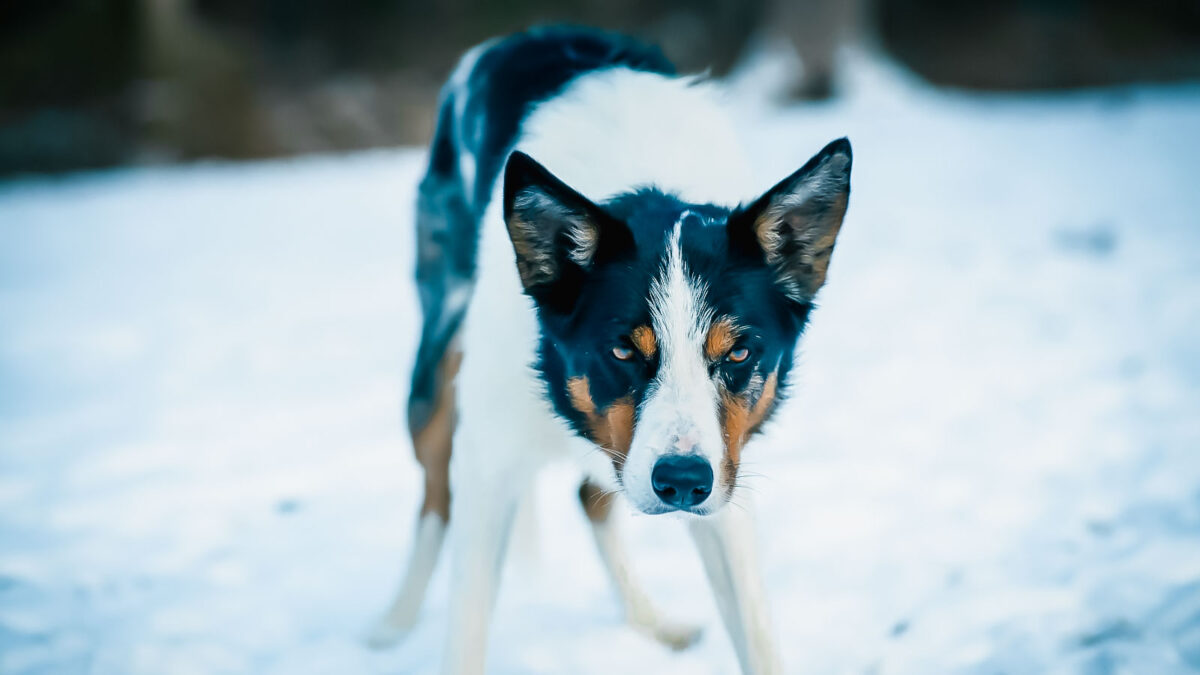

Dogs communicate discomfort through body language, but it’s easy to overlook the signs. Invading their personal space when they’re tired or stressed can make them uneasy. Respecting their signals helps build trust and prevents unwanted reactions. Giving them space when needed is just as important as affection.
Yelling Instead of Communicating


Raising your voice might seem like it gets attention, but it often creates fear instead. Dogs respond much better to calm, consistent cues. Loud reactions can confuse them and weaken your bond. A steady tone paired with clear commands works far more effectively.
Rushing Their Walks
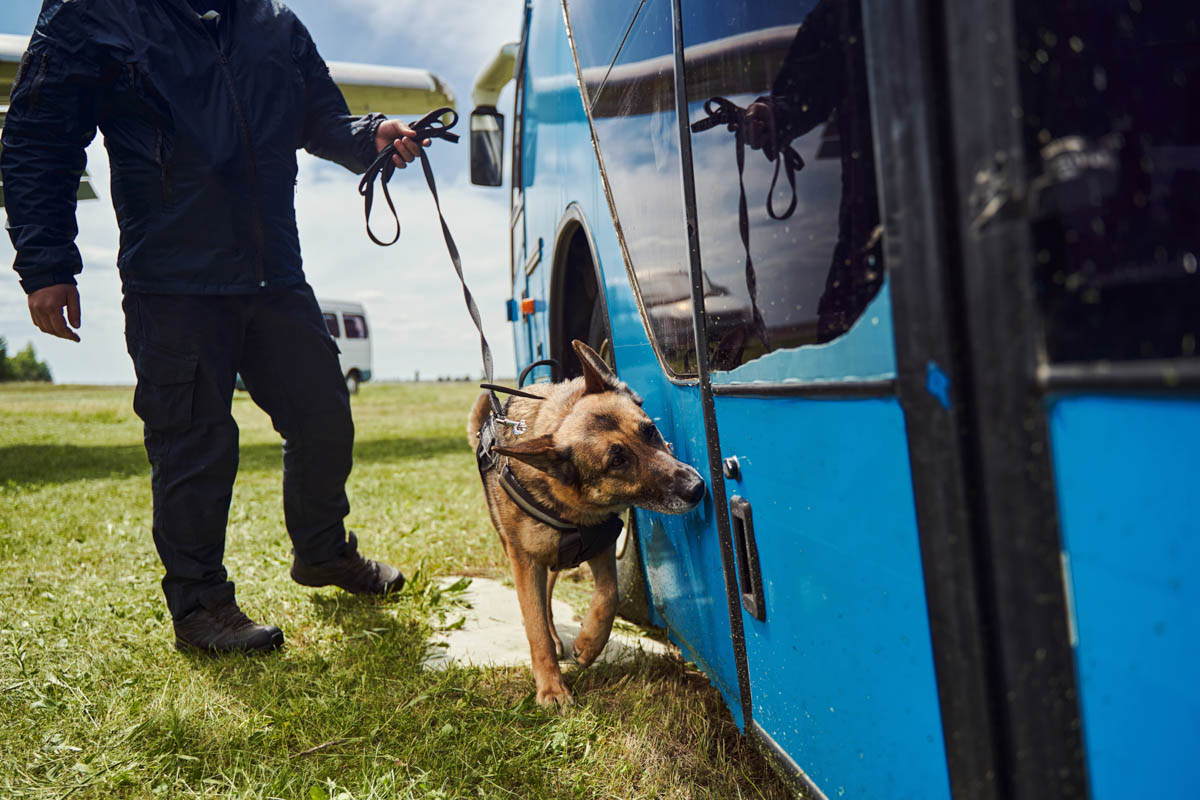

Walks are more than just exercise—they’re a chance for your dog to explore. Sniffing provides mental stimulation and helps them process their environment. Constantly pulling them along can lead to frustration. Slowing down and letting them investigate makes walks more fulfilling.
Forcing Social Situations


Not every dog enjoys meeting strangers or other animals right away. Pushing them into uncomfortable interactions can increase anxiety. Letting them approach new experiences at their own pace builds confidence. Positive, gradual exposure works far better than force.
Overusing Strong Smells


Your dog’s nose is far more sensitive than yours, making strong scents overwhelming. Perfumes, sprays, and harsh cleaners can irritate them quickly. Choosing pet-safe and mild options helps keep their environment comfortable. A neutral-smelling space is much easier on them.
Being Inconsistent With Rules


Changing expectations from day to day can confuse your dog. If a behavior is allowed one time but not the next, they won’t understand what’s right. Consistency helps them learn faster and feel more secure. Clear boundaries create a calmer environment for everyone.
Dressing Them Unnecessarily


While it may look cute, clothing can feel restrictive or uncomfortable to many dogs. Unless it serves a practical purpose like warmth, it’s often unnecessary. Ill-fitting outfits can limit movement and cause irritation. Comfort should always come before style.
Forcing Physical Affection


Not all dogs enjoy being hugged or held tightly. Some may tolerate it, but others feel restricted or uneasy. Learning your dog’s preferred ways of receiving affection helps them feel more comfortable. Gentle petting or play is often a better choice.