
Choosing the right dog means thinking about how much space you can realistically offer. Some breeds are packed with energy and need room to stretch their legs daily. Without enough space, they can quickly become bored, frustrated, and difficult to manage. If you don’t have a large yard, these breeds may be more challenging than you expect.
Border Collie
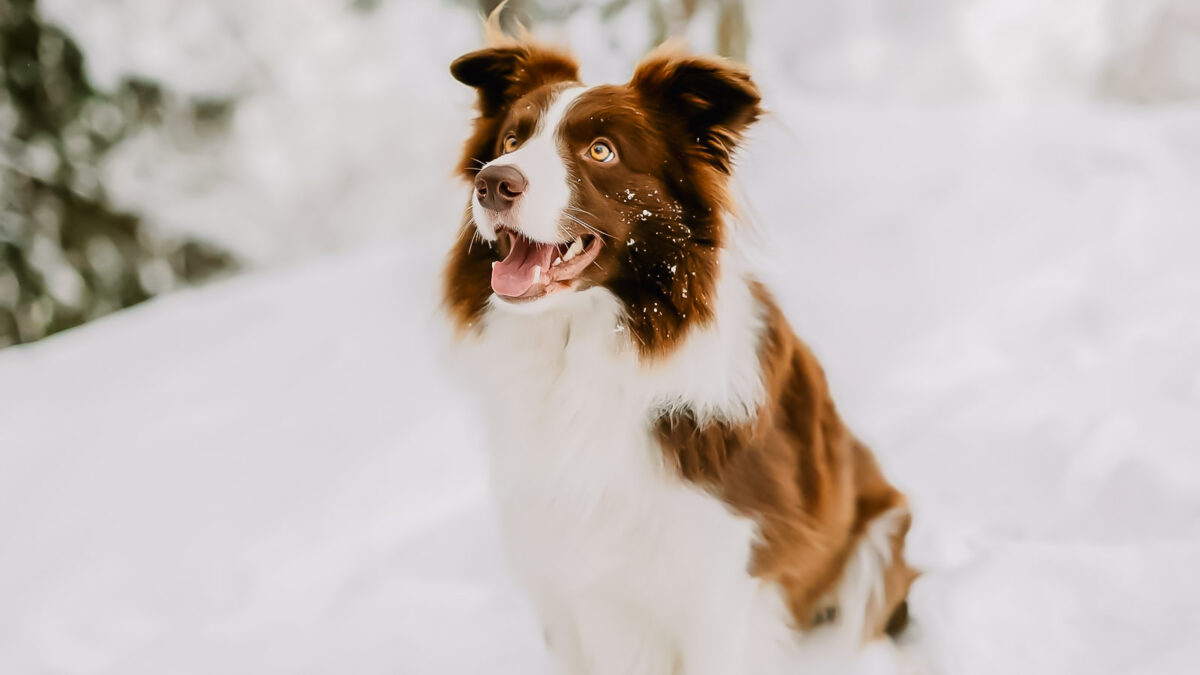

Border Collies are constantly on the move and thrive when they have a job to do. A spacious yard gives them the freedom to burn off energy and stay mentally engaged. Without that outlet, they can quickly turn to unwanted behaviors. Keeping them active is key to a happy, balanced dog.
Siberian Husky
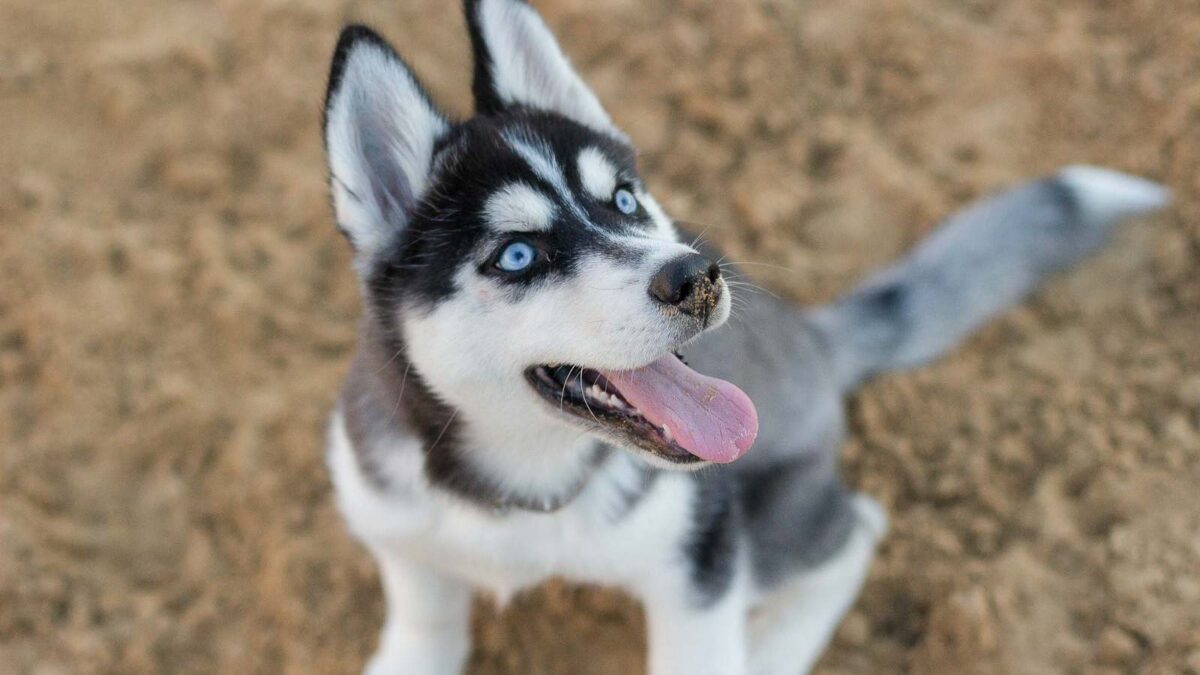
Huskies are built for endurance and love to run long distances. A large yard helps meet their exercise needs and prevents restlessness. In tight spaces, they may become escape artists or develop destructive habits. They do best where they can move freely every day.
Belgian Malinois


This breed is highly driven and thrives on both physical and mental challenges. A large yard provides a safe place to release their energy and stay engaged. Without enough activity, they can become difficult to handle. They’re best suited for active owners with plenty of space.
Weimaraner
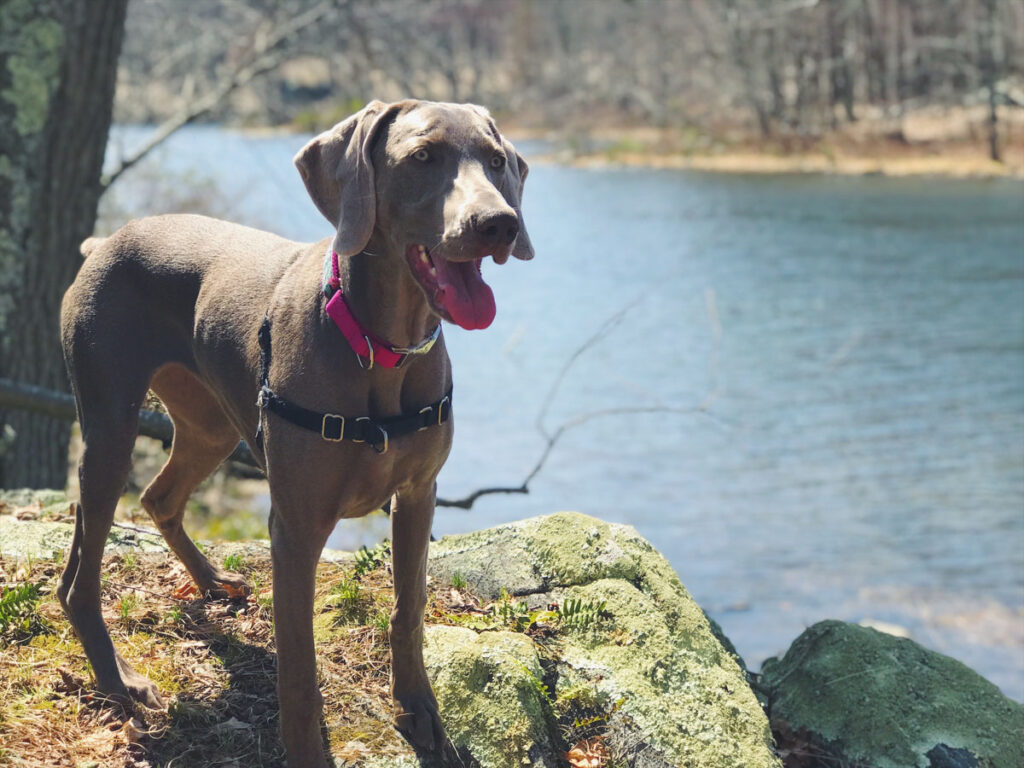
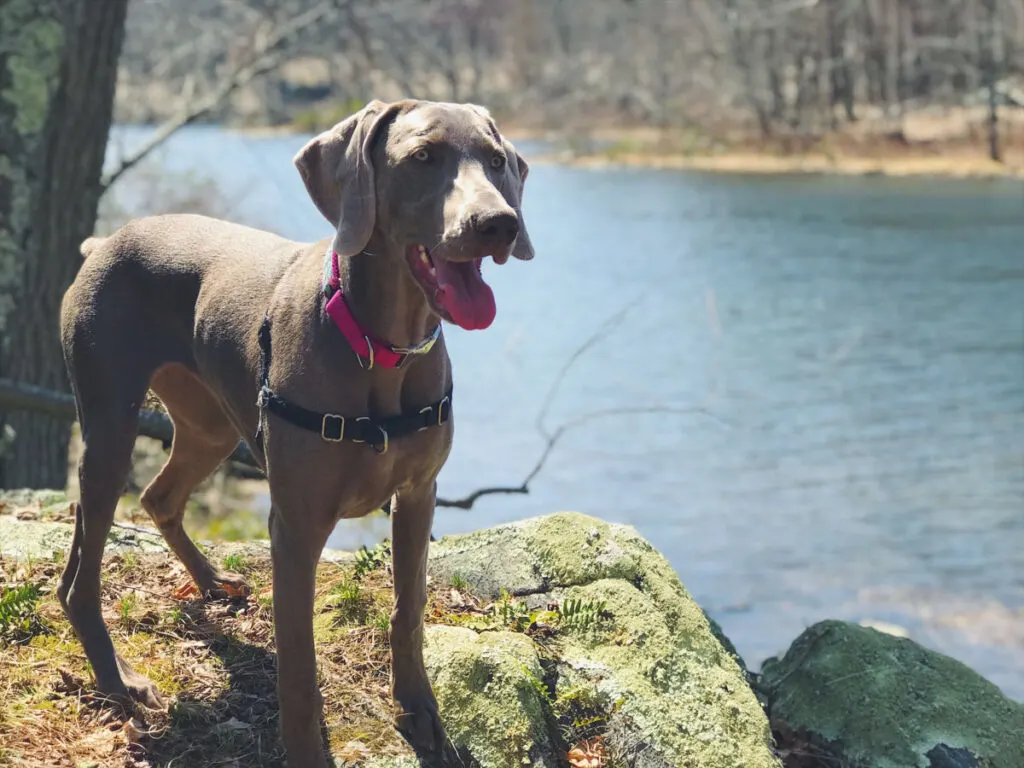
Weimaraners are athletic dogs that require constant movement and stimulation. A roomy yard gives them the chance to run and explore safely. Without it, they may become anxious or overly energetic indoors. Daily activity is essential to keep them content.
Vizsla

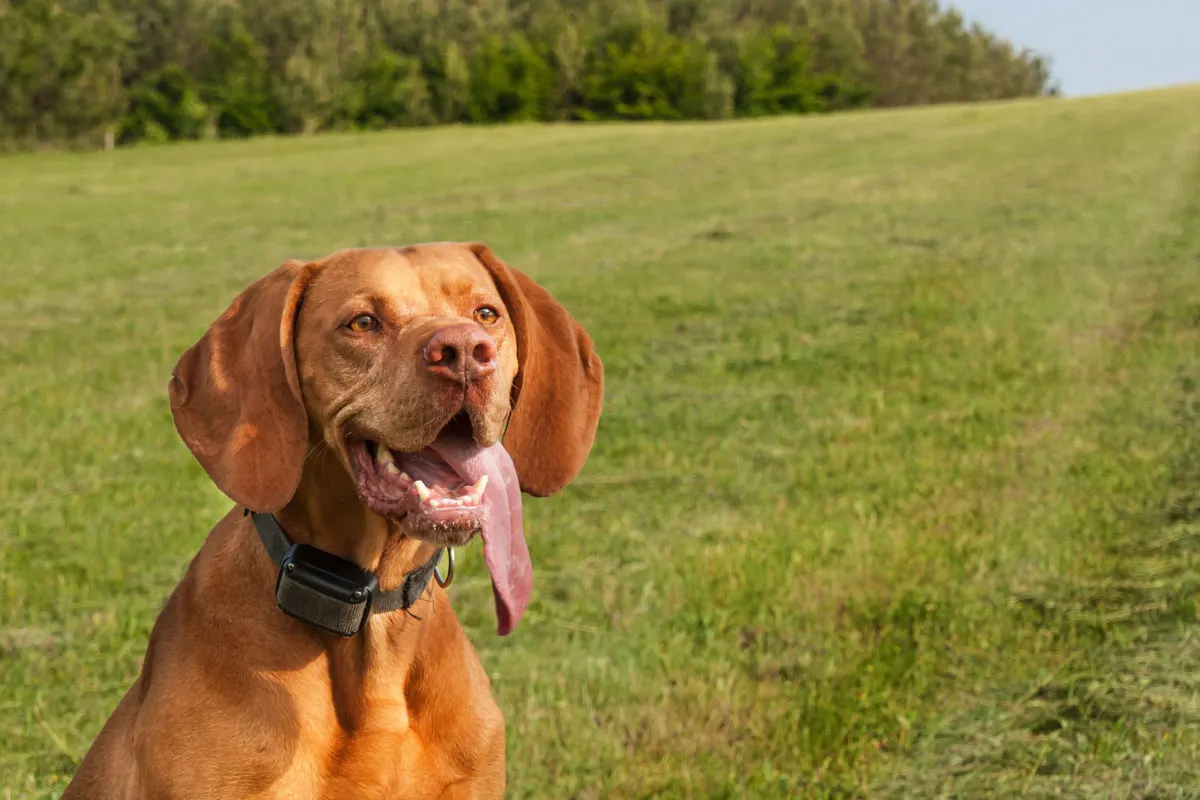
Vizslas are energetic companions that crave both exercise and human interaction. A big yard helps them stay active and prevents boredom. Without enough space, they can become clingy or destructive. They do best in homes that support their active lifestyle.
Australian Shepherd

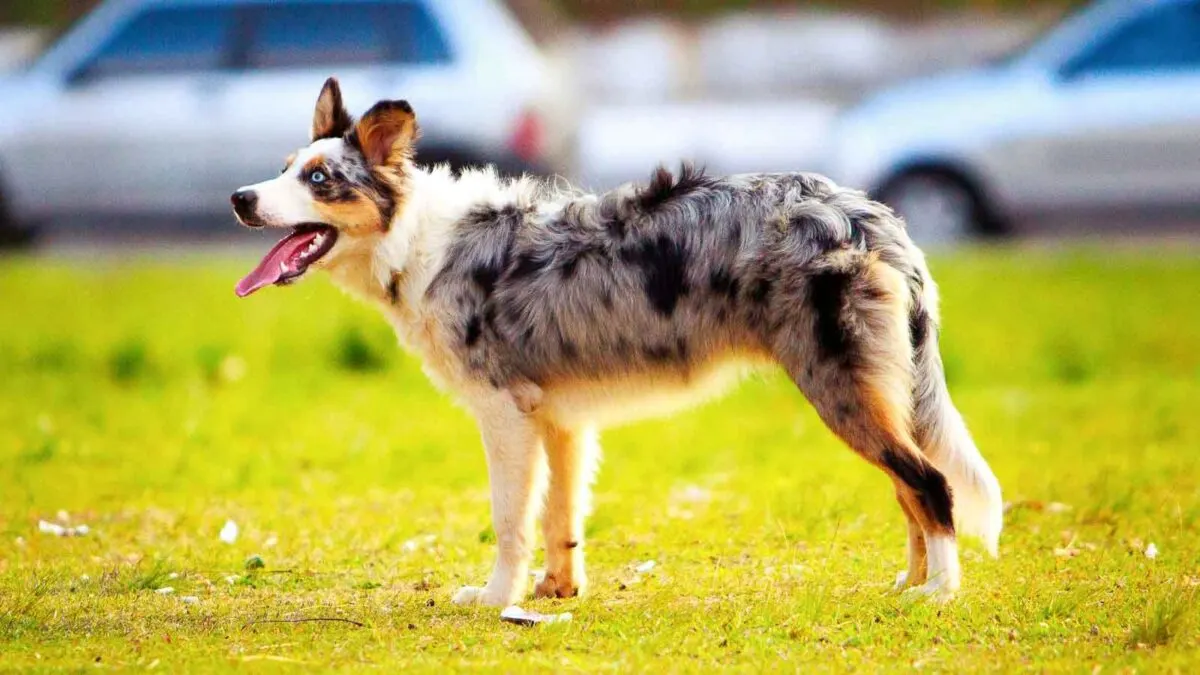
Australian Shepherds are working dogs that need consistent activity. A large yard gives them the freedom to run and stay mentally stimulated. Without it, they may become restless and hard to manage. They thrive in environments that match their high energy.
Dalmatian

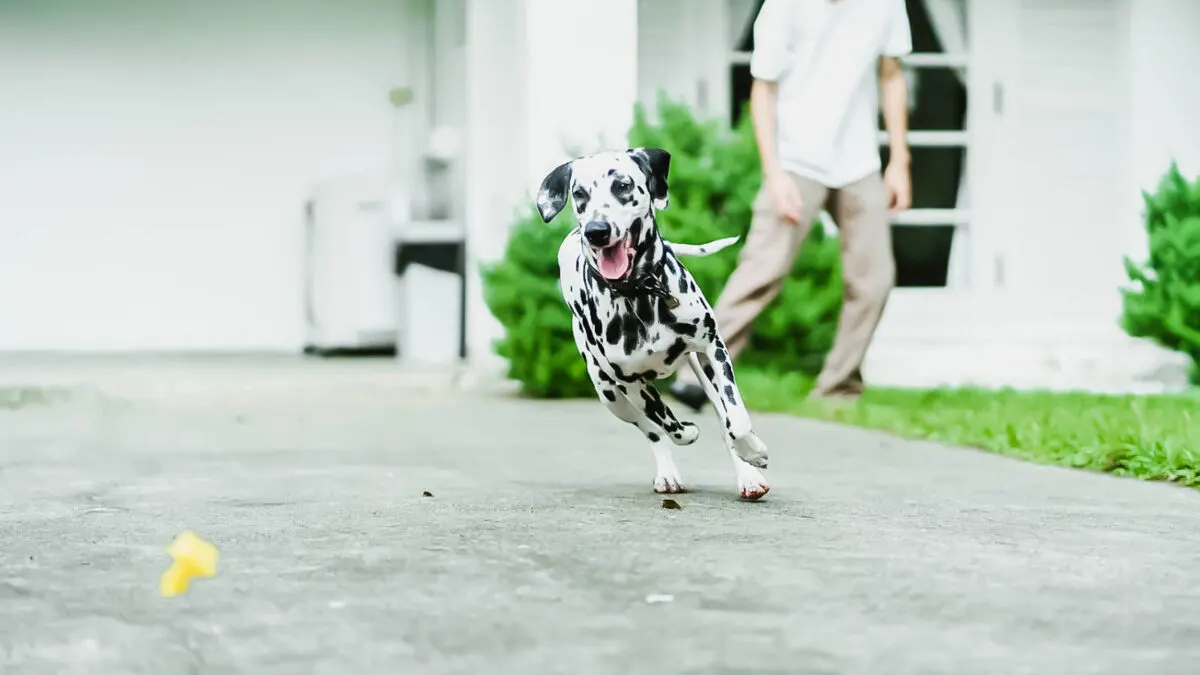
Dalmatians have boundless energy and love to run. A spacious yard allows them to stay active and satisfied. Without enough room, they may become hyperactive or frustrated. Regular exercise is essential for their well-being.
Boxer


Boxers are playful and full of energy, often needing frequent bursts of activity. A large yard gives them a safe space to release that energy. Without it, they can become restless and mischievous. Plenty of movement keeps them happy and well-behaved.
Labrador Retriever


Labradors are outgoing and energetic dogs that love to play. A big yard gives them room to fetch, explore, and stay active. Without enough space, they may become bored and destructive. They thrive in environments that encourage movement.
Golden Retriever
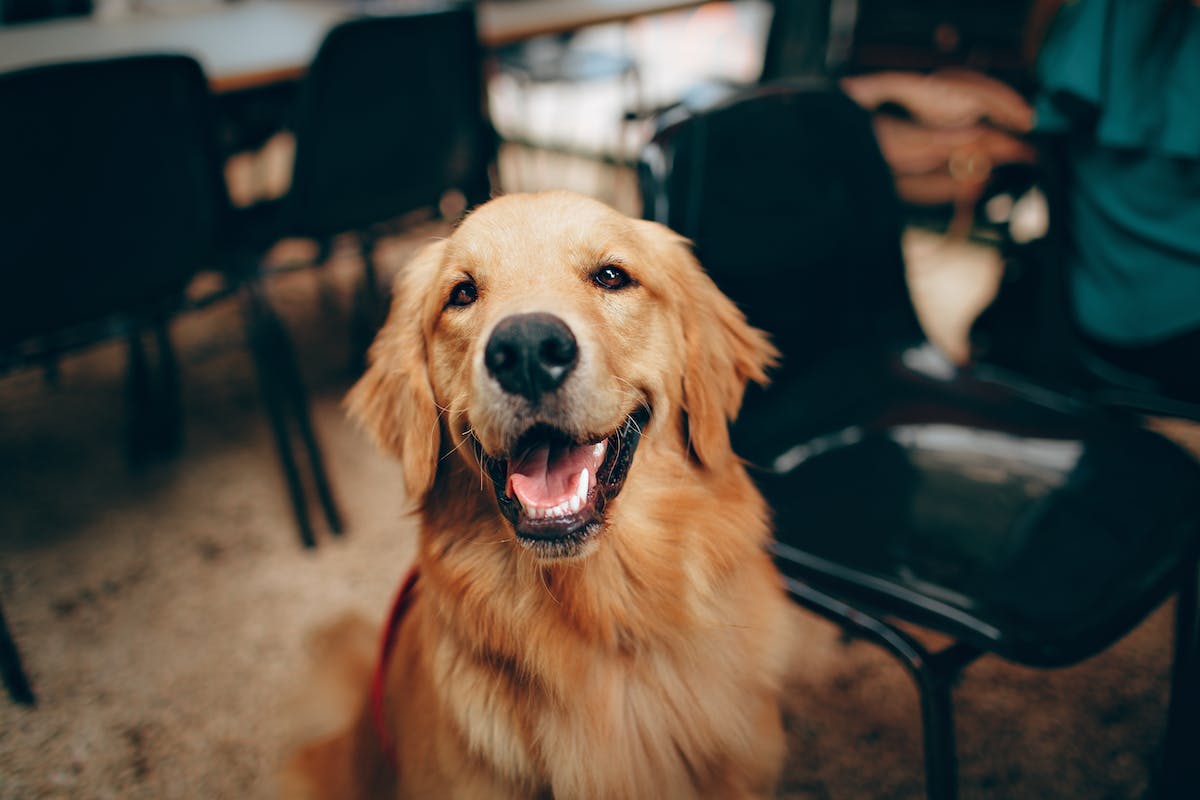
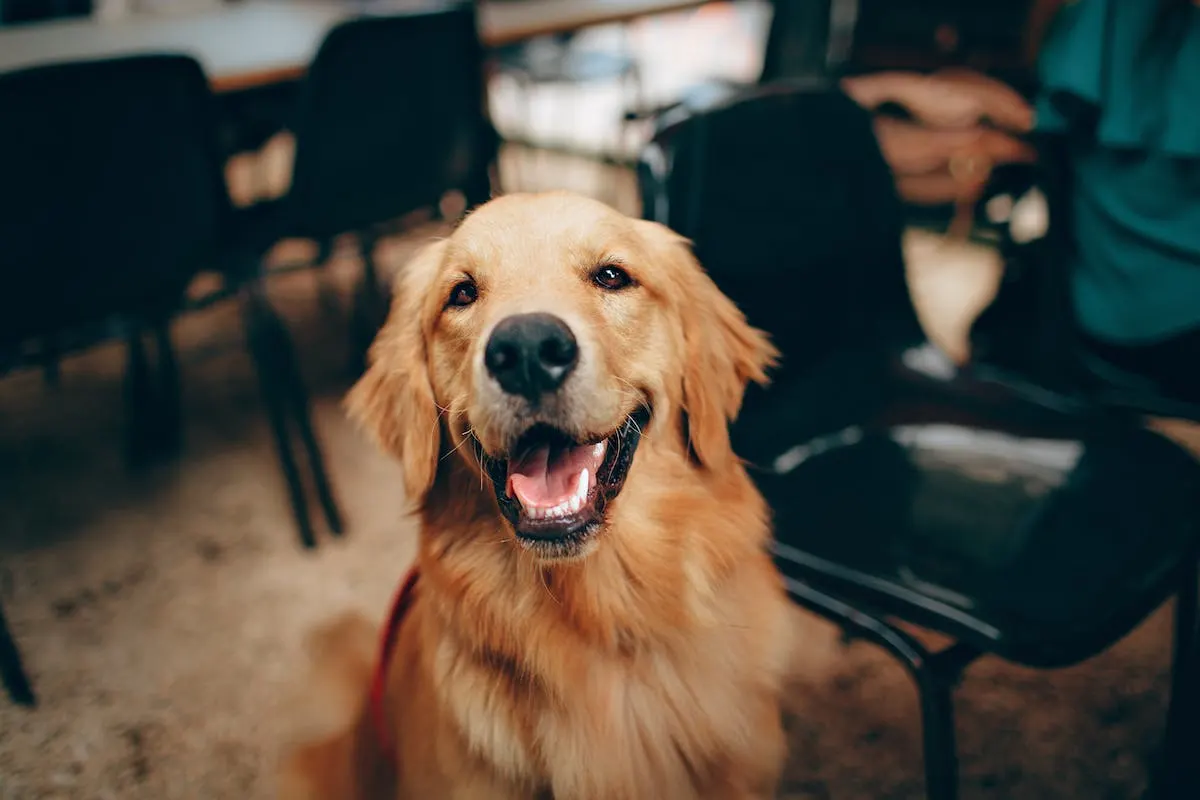
Golden Retrievers enjoy staying active and engaged throughout the day. A large yard helps them burn energy and stay mentally stimulated. Without it, they can develop unwanted habits out of boredom. Regular activity keeps them balanced and content.
German Shepherd


German Shepherds are intelligent and energetic, requiring both exercise and stimulation. A spacious yard allows them to stay active and engaged. Without it, they may become restless or develop behavioral issues. They excel in environments with room to move.
Irish Setter


Irish Setters are lively dogs that enjoy running and exploring. A big yard gives them the freedom to release their energy. Without enough space, they may become restless indoors. They do best with plenty of room to roam.
Rhodesian Ridgeback


Rhodesian Ridgebacks are strong, athletic dogs that need room to stretch their legs. A large yard helps them stay physically satisfied and mentally balanced. Without it, they may become frustrated or difficult to manage. Consistent exercise is essential for this breed.
Bernese Mountain Dog


Bernese Mountain Dogs are large and enjoy outdoor activity. A roomy yard allows them to move comfortably and stay active. Without enough space, they may struggle to get the exercise they need. They thrive in homes with plenty of outdoor access.
Alaskan Malamute


Alaskan Malamutes are powerful dogs that love to stay active. A large yard gives them the space they need to move and explore. Without it, they can become bored and challenging to handle. Regular activity and space are key to keeping them happy.