
As dogs enter their senior years, even small changes in daily care can have a big impact on how they feel. Older dogs often need more support with comfort, mobility, and routine, but that does not mean life slows down in a bad way. With the right habits, you can help your aging companion stay content, engaged, and as comfortable as possible. Here are 10 practical ways to support your senior dog every day.
Comfortable Sleeping Area


A senior dog benefits from a bed that feels supportive, soft, and easy to access. A quiet resting spot can help them settle more easily and reduce some of the discomfort that comes with aging joints. Better rest often leads to better mood, steadier movement, and a more relaxed dog overall.
Regular Vet Check-ups


As dogs get older, routine vet visits become even more important than they were in earlier years. These appointments can help catch age-related issues before they become harder to manage. Staying on top of check-ups gives your dog a better chance of remaining comfortable and active for longer.
Gentle Exercise
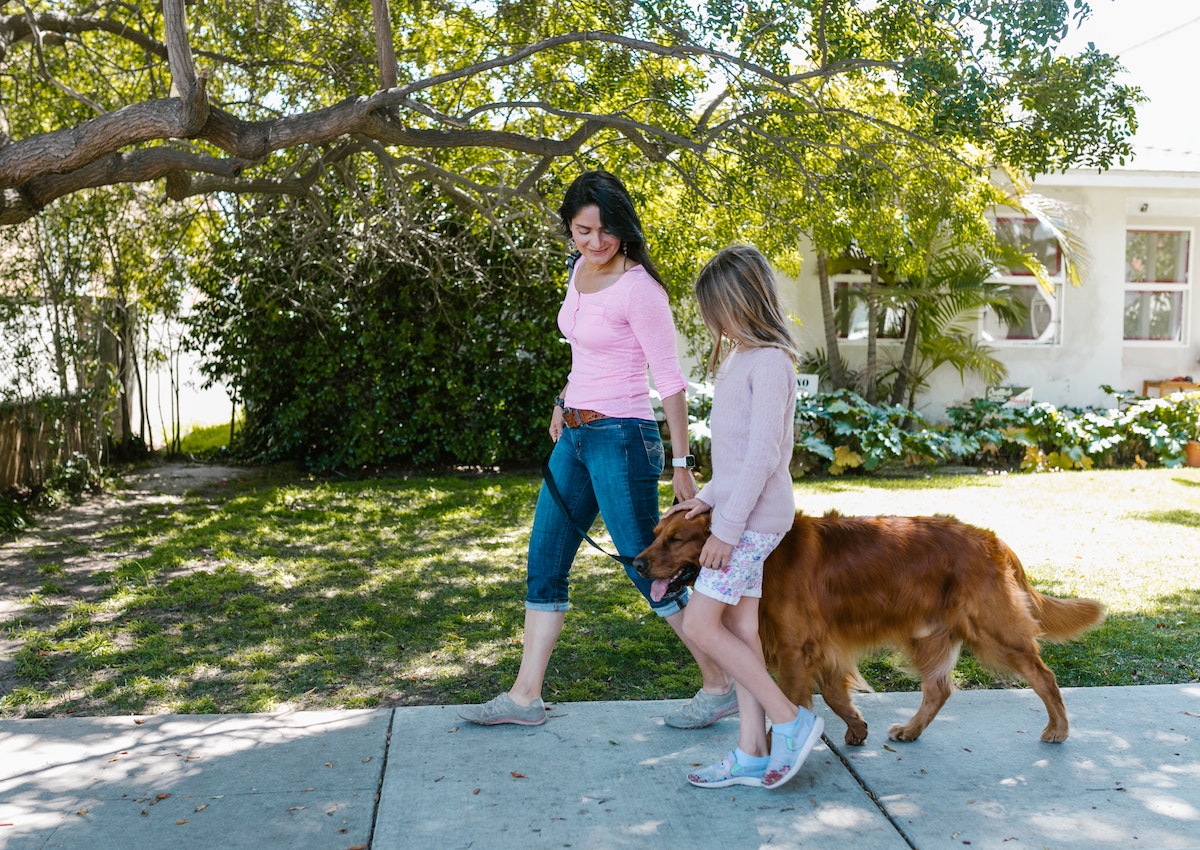
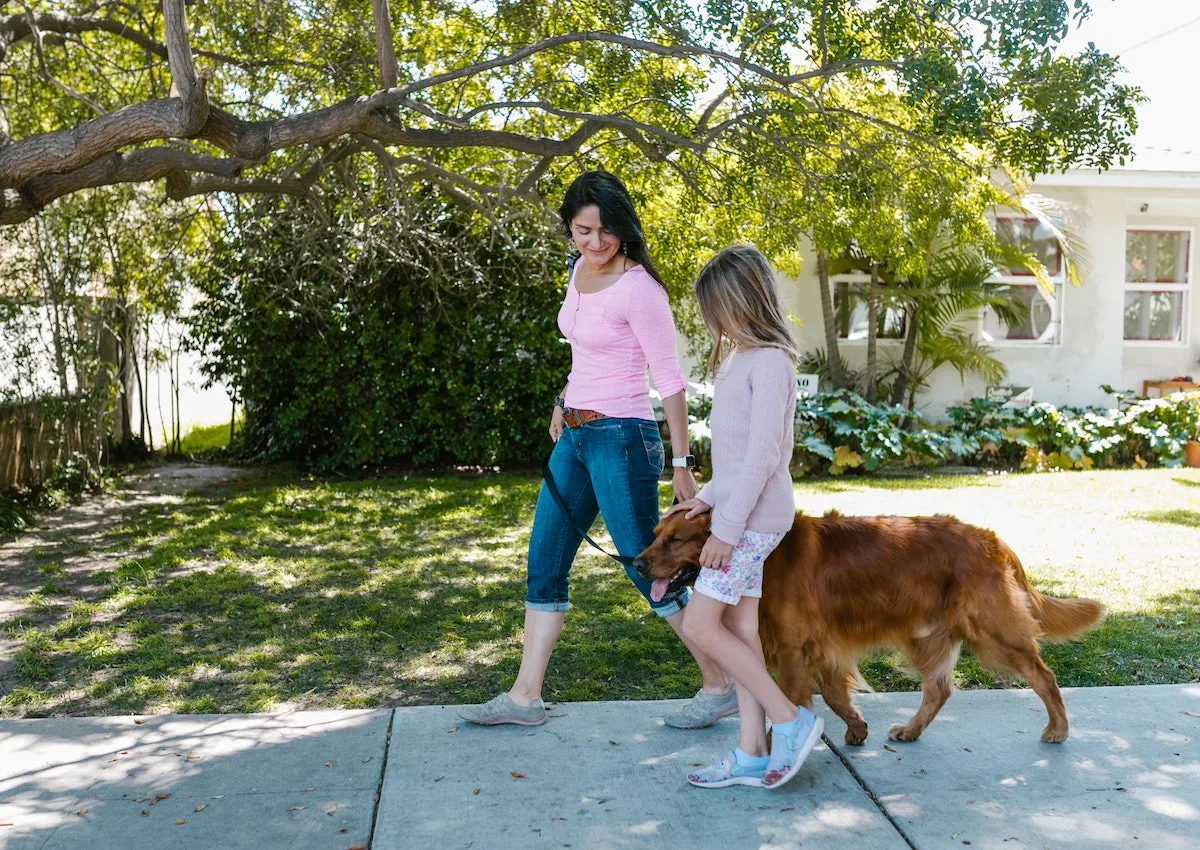
Older dogs still need movement, but the goal is comfort rather than intensity. Short walks and easy play sessions can help keep muscles working and joints from getting too stiff. A steady routine of low-impact exercise can do a lot to support mobility without wearing them out.
Monitor Changes


Seemingly small changes can matter a lot once a dog reaches its senior years. A shift in appetite, sleep, behavior, or walking style may be your first clue that something needs attention. Watching closely and acting early can make a real difference in how well your dog feels.
Balanced Diet

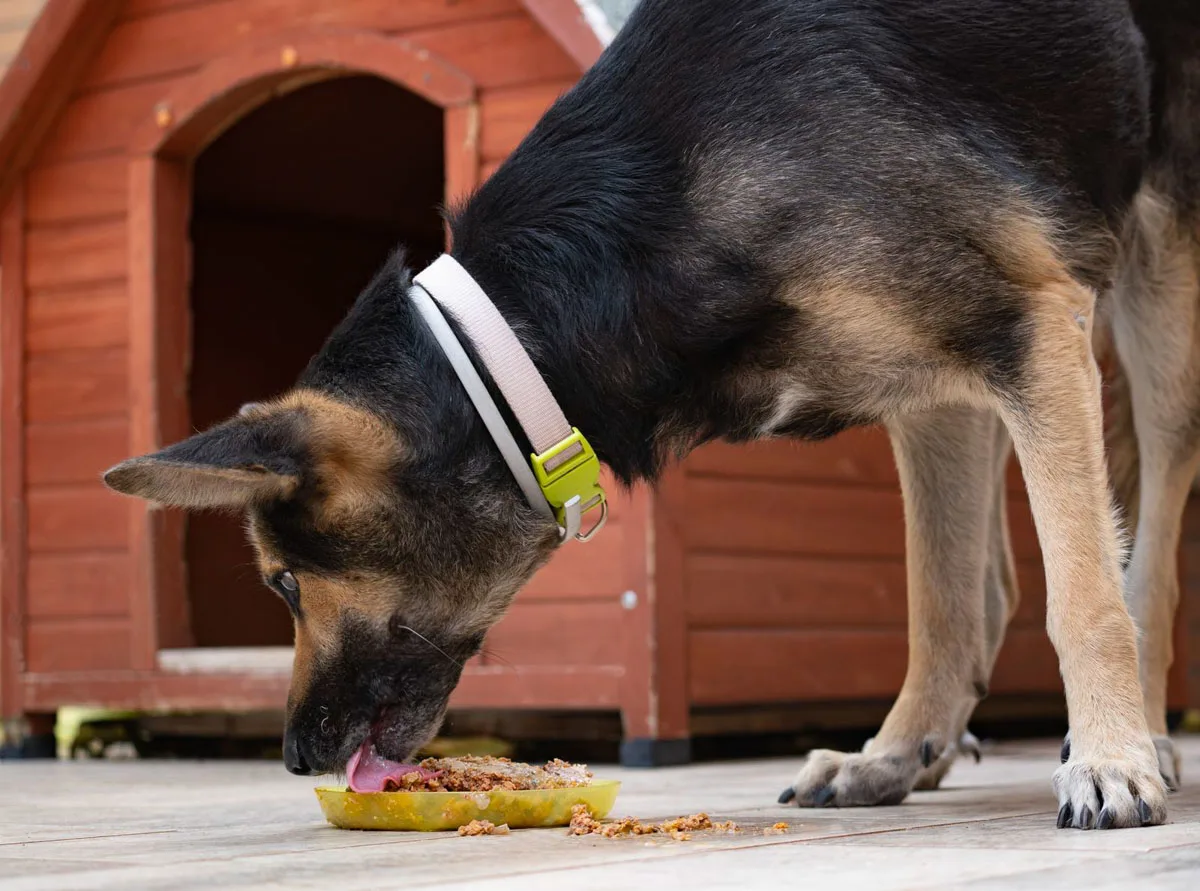
Senior dogs often do best on food that reflects their changing nutritional needs. A well-chosen diet can help support energy, body condition, and overall day-to-day comfort. When meals are tailored to this stage of life, it becomes easier to keep your dog feeling steady and well cared for.
Mental Stimulation


Keeping an older dog mentally engaged is just as valuable as helping them stay physically active. Puzzle toys, simple training refreshers, and interactive play can help keep their mind working and their routine interesting. That kind of stimulation can help prevent boredom and give them more to look forward to each day.
Dental Care


Mouth health has a direct effect on comfort, appetite, and overall wellness. Brushing regularly and using dental-friendly products can help reduce buildup and keep your senior dog’s mouth in better shape. A healthier mouth often means easier eating and fewer hidden sources of pain.
Love and Attention


Senior dogs may slow down, but their need for connection does not go away. Time spent sitting together, talking gently, or simply keeping them close can be deeply reassuring. That steady affection helps older dogs feel secure and reminds them they are still an important part of everyday life.
Joint Supplements


Many owners look into joint support once their dogs begin showing signs of stiffness or slower movement. Supplements may help support comfort and make daily activity feel easier for some aging dogs. When used thoughtfully, they can become one more helpful part of a larger senior care routine.
Maintain a Healthy Weight


Extra weight can be especially hard on an older dog’s joints, heart, and overall mobility. Keeping body condition in a healthy range can make moving around easier and help reduce strain on the body. Managing weight well is one of the simplest ways to support comfort as your dog ages.