
Training any dog takes time, but some breeds seem determined to make the process harder than it looks. Even when they are affectionate, funny, and full of charm, they can also be independent enough to ignore you when it suits them. That does not make them bad dogs, but it does mean owners need extra patience and consistency. Here are 13 breeds that are especially known for making training feel like a real uphill climb.
Shiba Inu

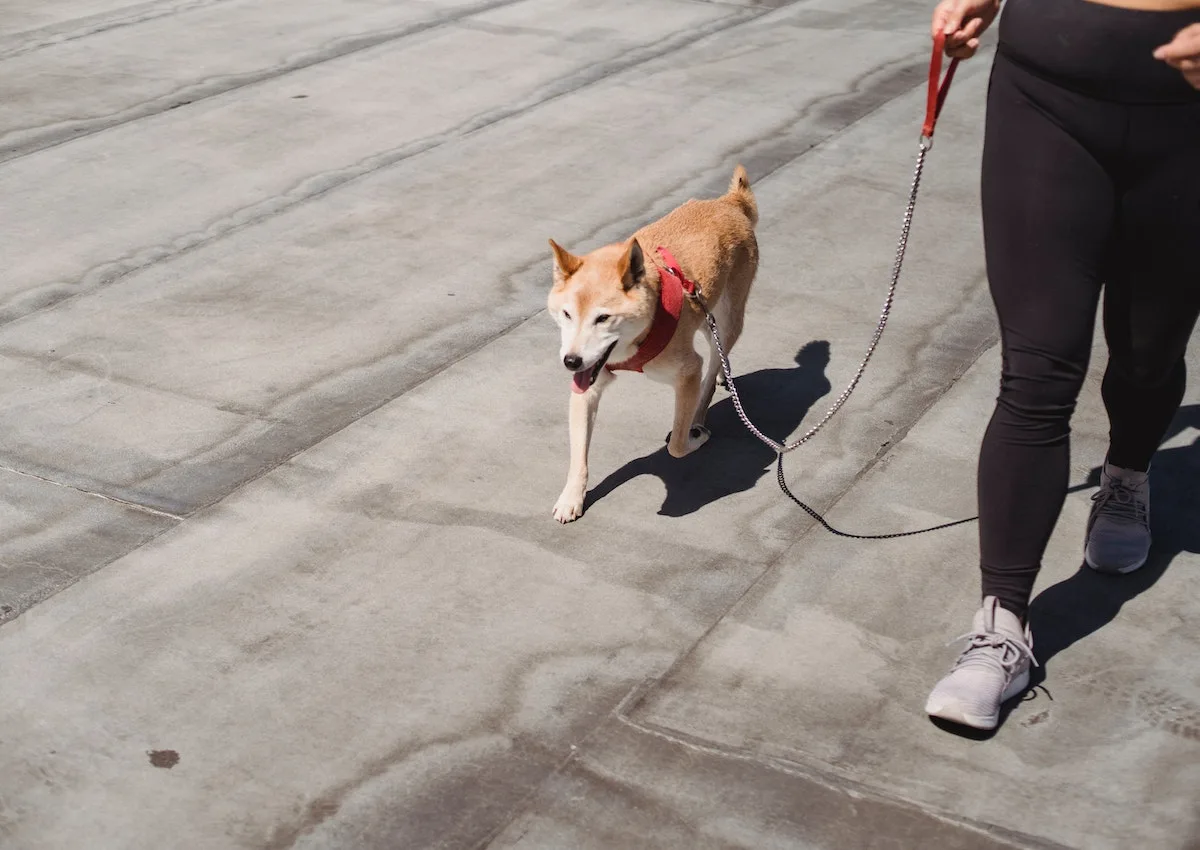
Shiba Inus are smart enough to understand what you want, but that does not mean they feel like cooperating. Their independent temperament often makes them seem more interested in making their own decisions than following yours. Training usually goes better when sessions stay short, clear, and consistent. Even then, they are famous for pushing boundaries whenever they get the chance.
Bulldog
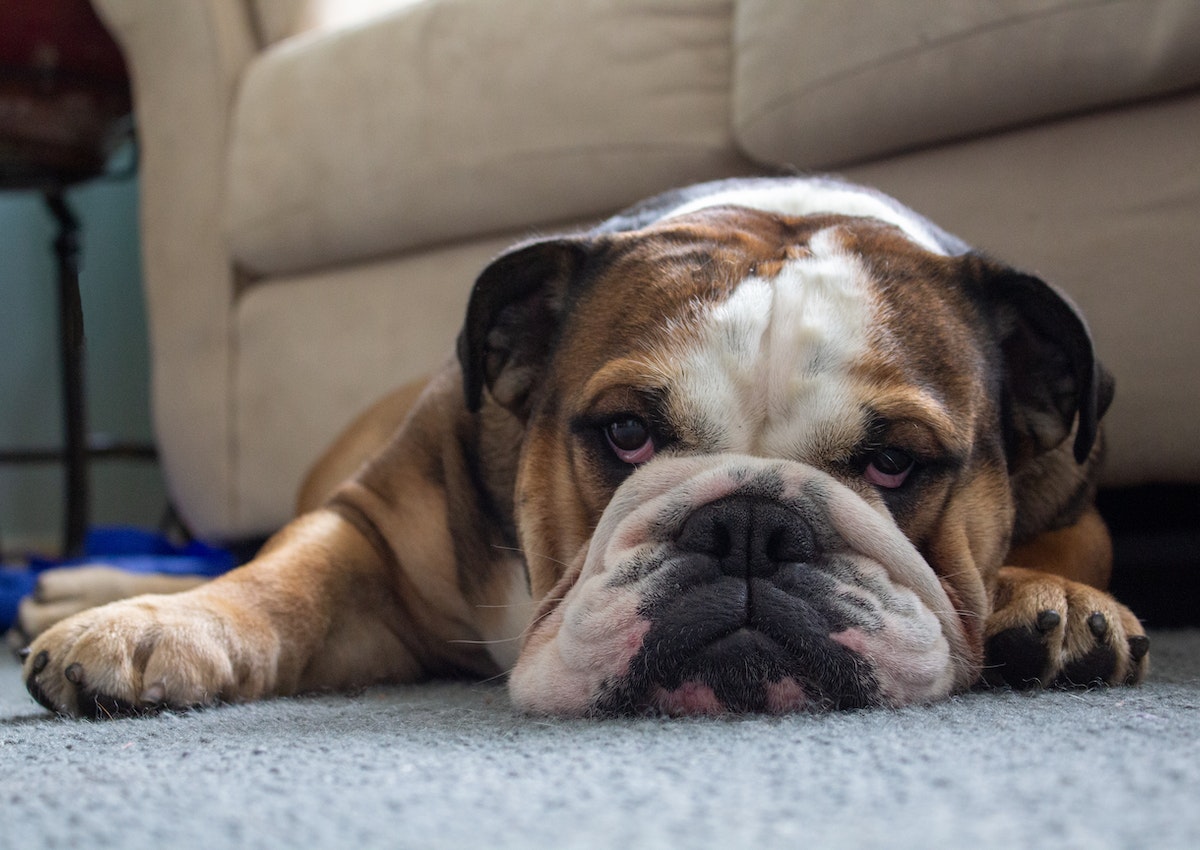

Bulldogs can be affectionate and loyal, but they are not exactly known for eager obedience. Many would rather relax where they are than repeat drills or learn something new. That laid-back attitude can come across as stubbornness when training begins. Progress tends to happen more smoothly when owners stay patient and keep expectations realistic.
Jack Russell Terrier


Jack Russells are bursting with intelligence and energy, which sounds helpful until all that drive starts working against you. They get bored quickly and often decide their own plans are far more exciting than your lesson. Without enough exercise and mental outlets, they can become frustratingly hard to focus. Training one usually requires structure, creativity, and a lot of stamina from the owner.
Afghan Hound


Afghan Hounds are elegant dogs with a reputation for doing things on their own terms. They tend to be more aloof than eager to please, which can make training feel slow and one-sided. Owners often need plenty of repetition before commands start to stick. Their beauty may be effortless, but their obedience rarely is.
Beagle


Beagles are friendly and curious, but once their nose locks onto something interesting, everything else becomes background noise. That strong scent drive can make even basic training more difficult than expected. They are not trying to be difficult so much as they are deeply distracted by the world around them. Keeping their attention often becomes the hardest part of the entire process.
Scottish Terrier


Scottish Terriers have a strong personality packed into a compact frame. They are confident, self-directed, and not always interested in taking orders just because you gave them. Training works best when it is calm and steady rather than forceful. Even then, they usually prefer to let you know they are cooperating by choice.
Dalmatian

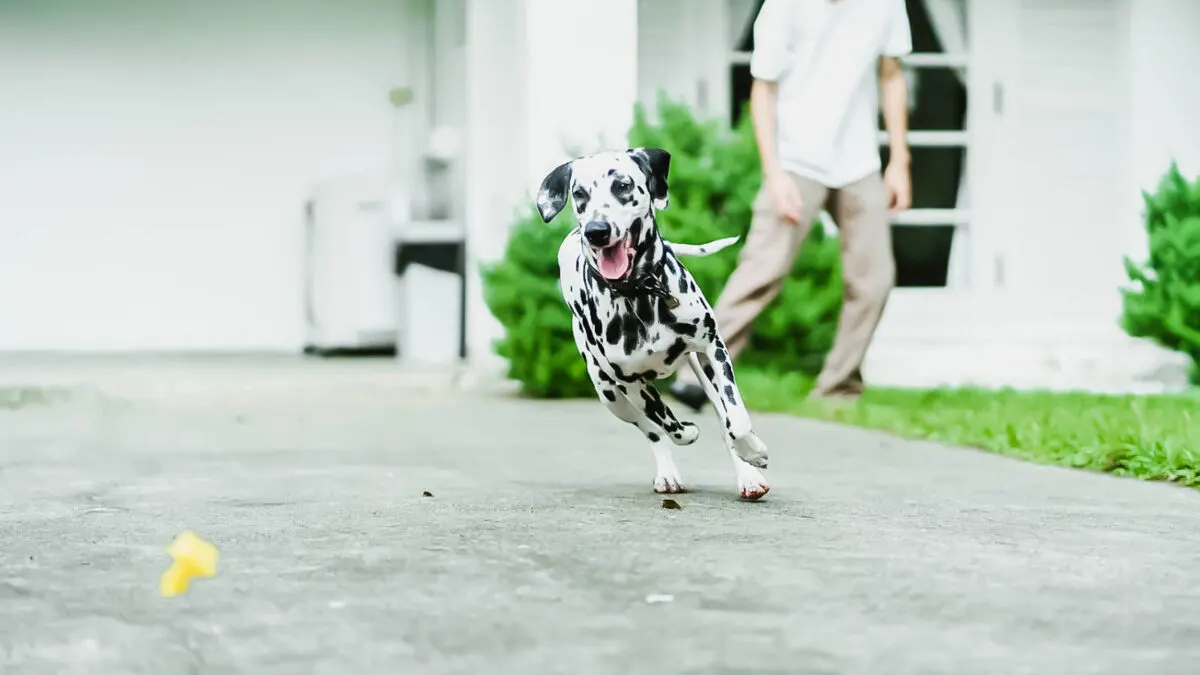
Dalmatians are clever and athletic, but their lively nature can make them hard to settle during training. They are easily distracted and often more interested in movement and excitement than repetition. A trainer has to keep sessions engaging enough to compete with everything else going on around them. Without that, their attention can disappear fast.
Chow Chow


Chow Chows are known for being dignified and strong-willed, which can make them a real project in training. They are often reserved and not especially motivated by pleasing people. Owners usually have to work for their cooperation instead of expecting easy enthusiasm. That independent streak is part of their appeal, but it also makes obedience work harder.
Fox Terrier


Fox Terriers are busy, bright, and always looking for the next interesting thing. That constant curiosity can turn training sessions into a battle for their attention. They often need firm routines and clear expectations to stay on track. Even then, their natural enthusiasm can spill over into chaos if lessons are not handled carefully.
Borzoi


Borzois are calm and graceful, but they are not the sort of dogs that live for instruction. Their independent personality can make commands feel optional in their minds. Training tends to require more patience and motivation than some owners expect from such a gentle breed. They may listen eventually, but rarely with much urgency.
Basenji


Basenjis are incredibly smart, but they often use that intelligence in ways that do not help their owner. They are famous for being independent, curious, and more than capable of ignoring commands they find unimportant. Training one can feel less like teaching and more like negotiating. Owners usually need consistency and a very good sense of humor.
Weimaraner


Weimaraners are energetic and intelligent, but they can also be impulsive and difficult to settle. Their high activity level means they need a lot of mental and physical work before training can really click. If they get bored, they tend to make their own fun, which is rarely helpful. Keeping them focused often takes as much effort as teaching the actual skill.
Siberian Husky


Huskies are clever enough to learn quickly, but their independent spirit often gets in the way of reliable obedience. They are known for being stubborn, vocal, and full of opinions about what they should be doing instead. Training usually works best when it feels engaging rather than repetitive. Even then, they often act like participation is entirely their decision.