
Buying toys for your dog feels like an easy way to keep them happy, active, and entertained. The problem is that some of the most common choices can come with risks that many owners do not notice right away. A toy that looks harmless can turn into a choking hazard, a dental problem, or a digestive emergency. Here are 10 popular dog toys and chews that deserve a second look before you toss them to your pup.
Stuffed Toys with Squeakers


Soft plush toys can be a lot of fun until your dog tears through the fabric and gets to the inside. Once the squeaker or stuffing comes loose, it can easily become something they swallow. That can create choking risks or even blockages that need medical attention. Alternative: Choose stuffing-free toys or plush options made with reinforced seams and no removable parts.
Cooked Bones
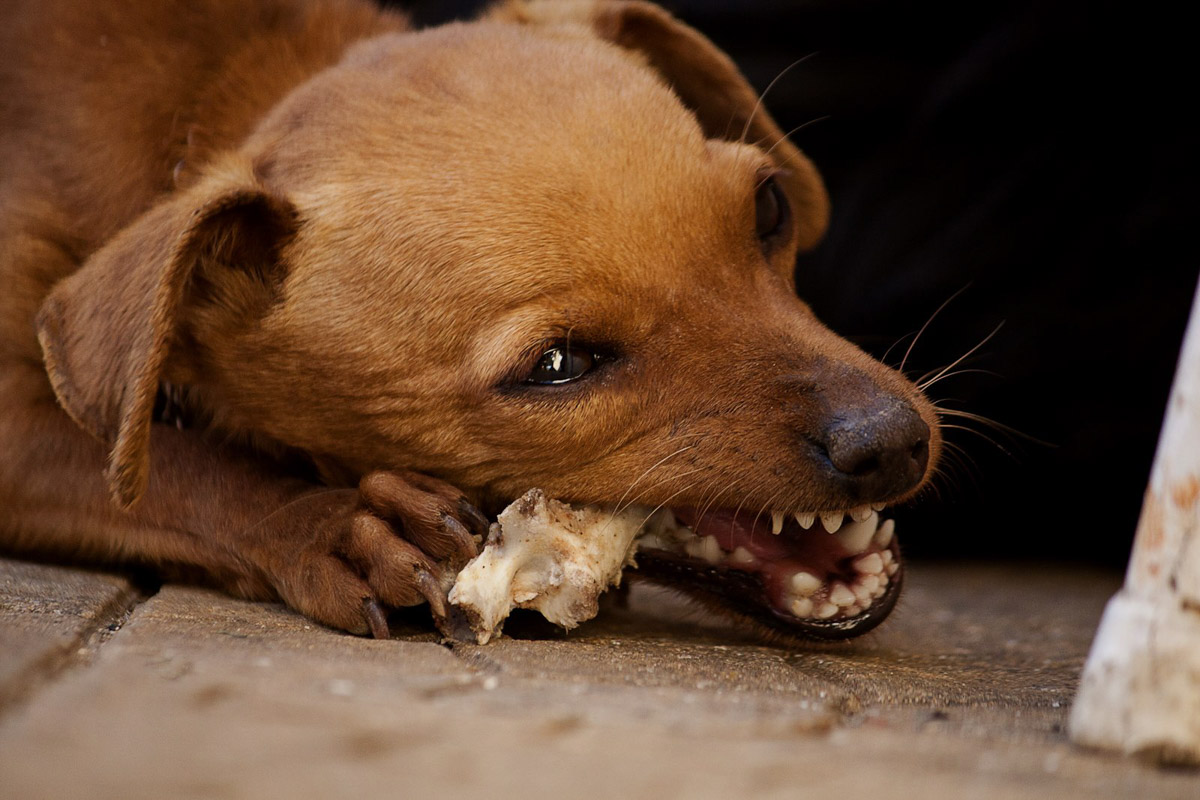
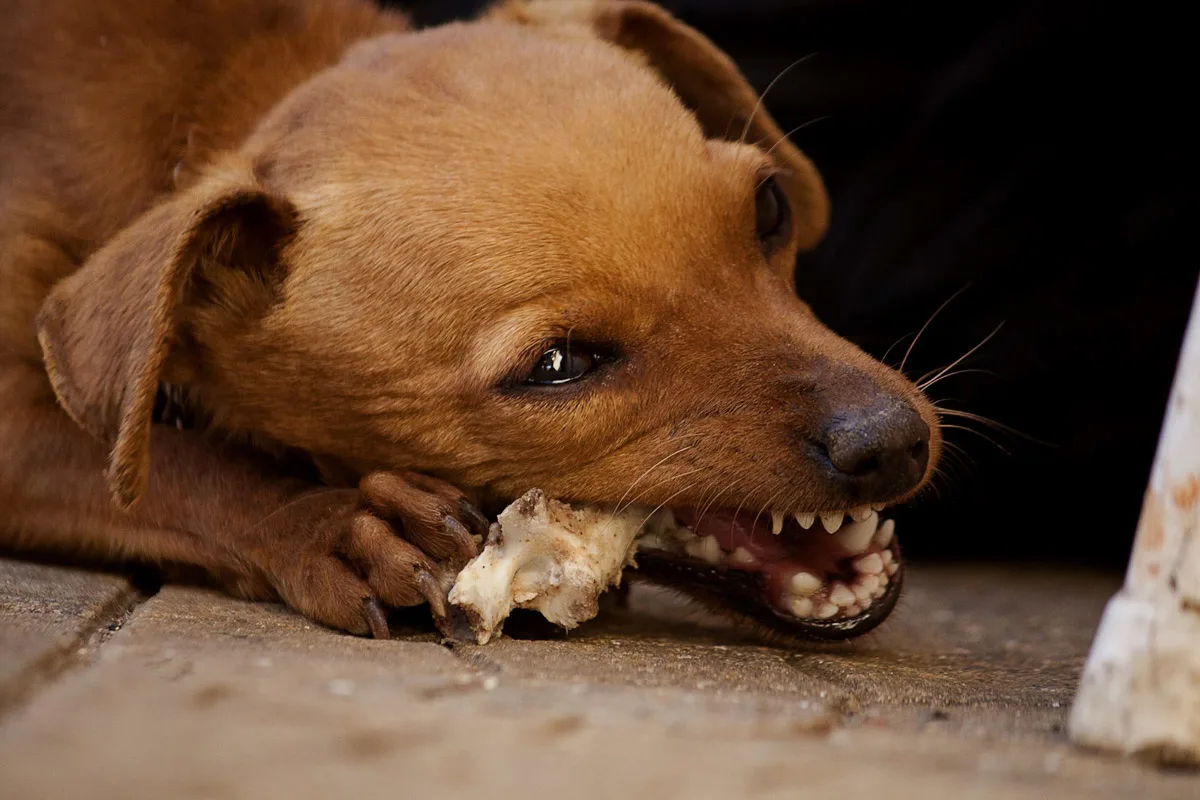
Cooked bones may look like a natural chew, but they can break apart into sharp fragments very easily. Those splinters can damage your dog’s mouth or cause serious trouble once swallowed. What starts as a treat can turn into a dangerous internal injury fast. Alternative: Speak with your vet about safer chew options or supervised raw bones when appropriate.
Small Rubber Balls


A ball that is too small for your dog can be more dangerous than it looks. If it slips too far back in the mouth, it can become lodged in the throat and create a real emergency. This is especially risky for dogs that like to grab and gulp their toys. Alternative: Pick a larger ball that cannot fit fully inside your dog’s mouth.
Rope Toys


Rope toys can seem sturdy, but once they start fraying, the loose strands become the real issue. Dogs can swallow those fibers while chewing or tugging, which may lead to digestive blockages. The danger often starts after the toy begins to wear down. Alternative: Use durable rubber or nylon toys that do not unravel into strings.
Pig Ears


Pig ears are a popular chew, but they can upset some dogs’ stomachs and may also carry contamination concerns. Because they are rich and greasy, they are not always the easiest thing for dogs to handle well. What seems like a tasty treat can end up causing digestive trouble. Alternative: Try freeze-dried meat treats or safer dental chews made for dogs.
Tennis Balls


Tennis balls are everywhere, but they are not always the best choice for heavy chewers. Dogs can rip pieces off and swallow them, and the fuzzy outer surface can also wear down teeth over time. They may look like the perfect fetch toy, but they are not built with every dog in mind. Alternative: Go with dog-specific rubber balls designed for safer chewing and play.
Hard Plastic Frisbees


Plastic frisbees made for people can be too rigid for a dog’s mouth and teeth. If they crack or chip, the broken edges can become sharp and dangerous. Even before that happens, repeated catches can be rough on the teeth and gums. Alternative: Use soft frisbees made from flexible, dog-friendly materials.
Rawhide Chews


Rawhide is one of the most familiar dog chews around, but it can create real problems when large pieces are swallowed. Those chunks may be difficult to digest and can cause choking or intestinal blockages. For some dogs, the risk starts as soon as the chew softens and tears apart. Alternative: Consider bully sticks or natural dental chews with simpler ingredients.
Plastic Bones


Very hard plastic chews can be tough on a dog’s mouth and may break into unsafe pieces over time. Instead of wearing down nicely, they can crack or create jagged edges. That makes them risky for both teeth and digestion. Alternative: Choose sturdy nylon chews made to hold up better under heavy chewing.
Nylabone


Nylabones are a common chew option, but they still need to be watched closely. Once a dog starts breaking off small pieces, the chew can turn into a choking hazard or cause a blockage if swallowed. The issue is less about the label and more about wear and tear over time. Alternative: Stick with the most durable versions and replace them as soon as they start breaking down.