
Training a dog isn’t always straightforward, and even well-meaning owners can fall into habits that slow progress. Small missteps—like mixed signals or rushing the process—can lead to confusion and frustration. The good news is that most of these issues are easy to fix once you recognize them. Let’s explore some common training mistakes and how to set your dog up for success.
Skipping Basic Training


Jumping straight into advanced tricks without covering the basics can create confusion. Commands like sit, stay, and come form the backbone of good behavior. When these fundamentals are solid, everything else becomes much easier. Building that strong base early saves time and frustration later on.
Inconsistent Commands


Switching between different words or gestures for the same command can leave your dog guessing. Consistency helps them understand exactly what’s expected. Everyone in the household should use the same cues to avoid mixed signals. Clear communication leads to faster learning.
Training for Too Long
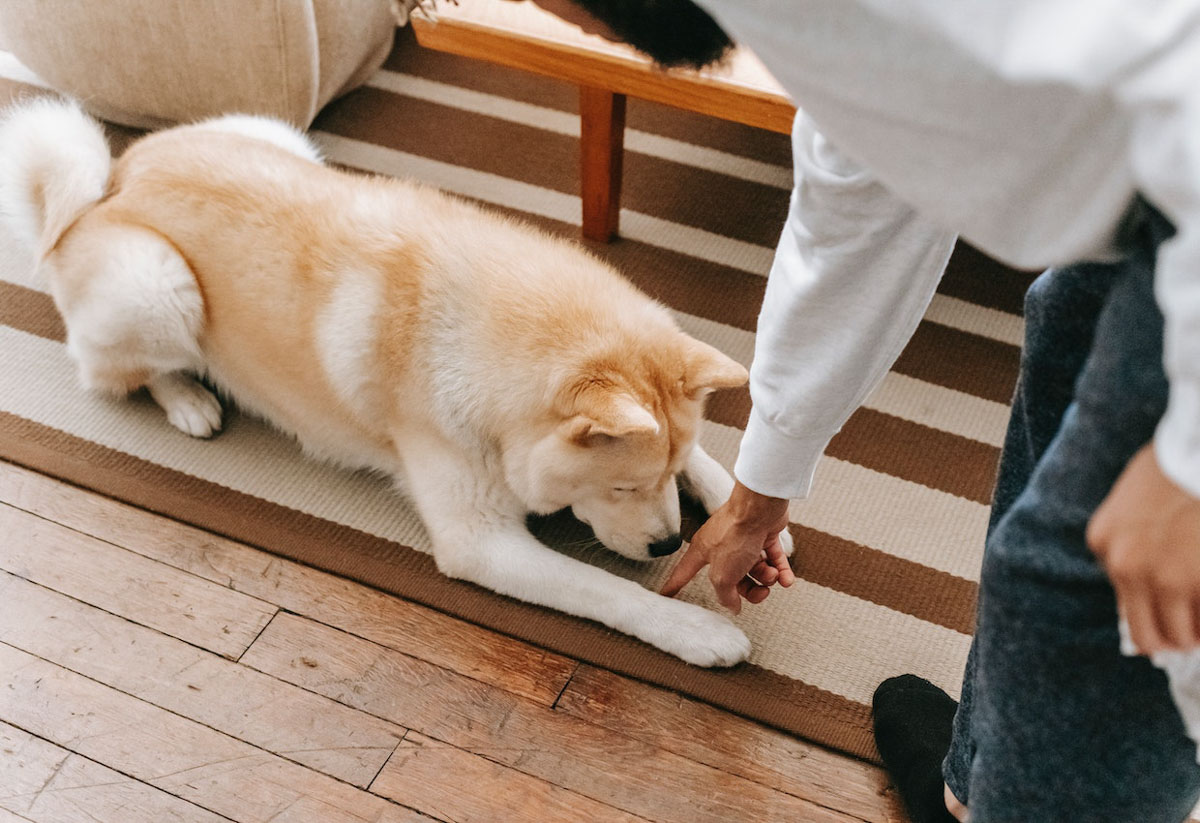

Long sessions can overwhelm your dog and reduce their focus. Short, engaging training bursts tend to be far more effective. Aim for sessions that keep your dog interested rather than exhausted. Ending on a positive note keeps them eager for the next lesson.
Lack of Patience


Expecting quick results can lead to frustration on both sides. Dogs learn through repetition and consistency over time. Staying calm and patient helps build trust and confidence. Progress may be gradual, but it’s far more lasting when done right.
Inconsistent Training


Irregular training schedules can slow your dog’s progress significantly. Practicing skills consistently reinforces what they’ve learned. Even a few minutes each day can make a big difference. Routine helps turn training into a natural part of your dog’s life.
Improper Use of Treats

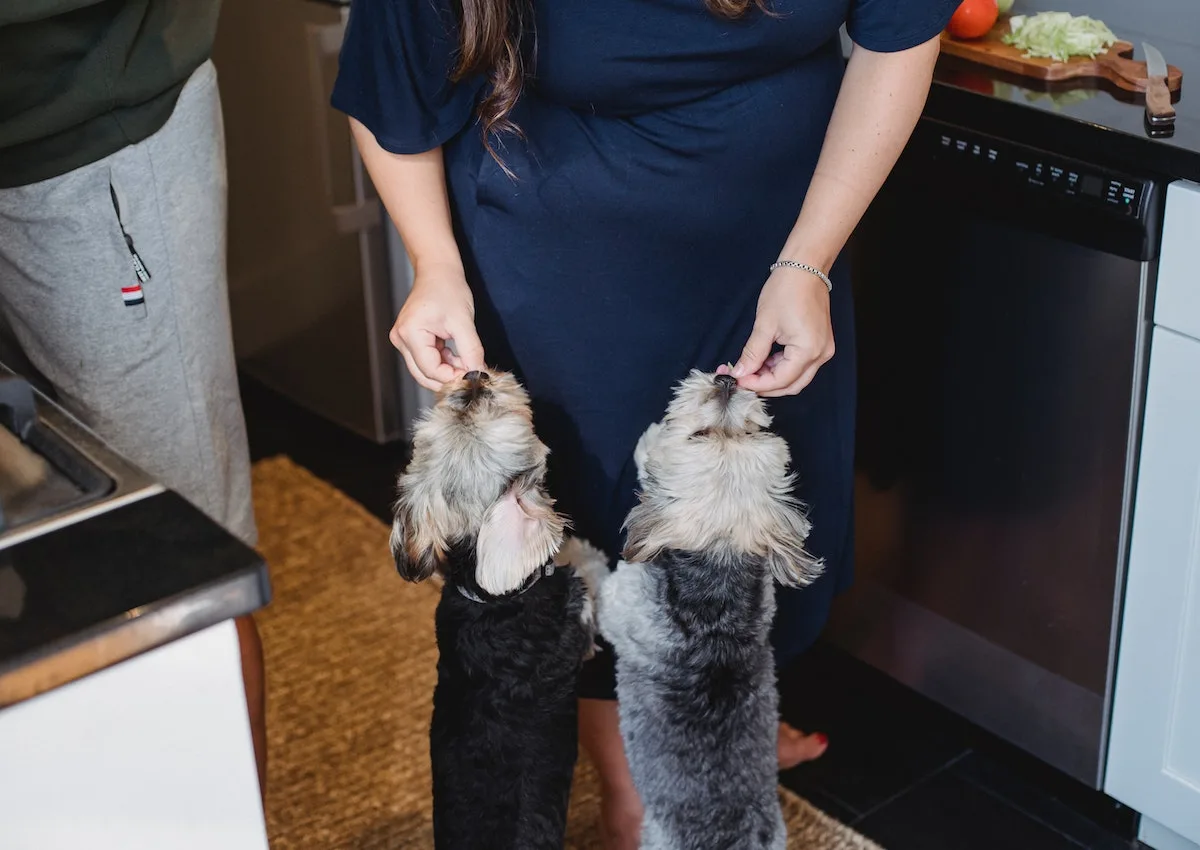
Rewards are powerful, but timing and moderation matter. Giving treats too often or at the wrong moment can confuse your dog. Use them strategically to reinforce desired behaviors. As your dog improves, gradually reduce reliance on treats.
Using Negative Reinforcement

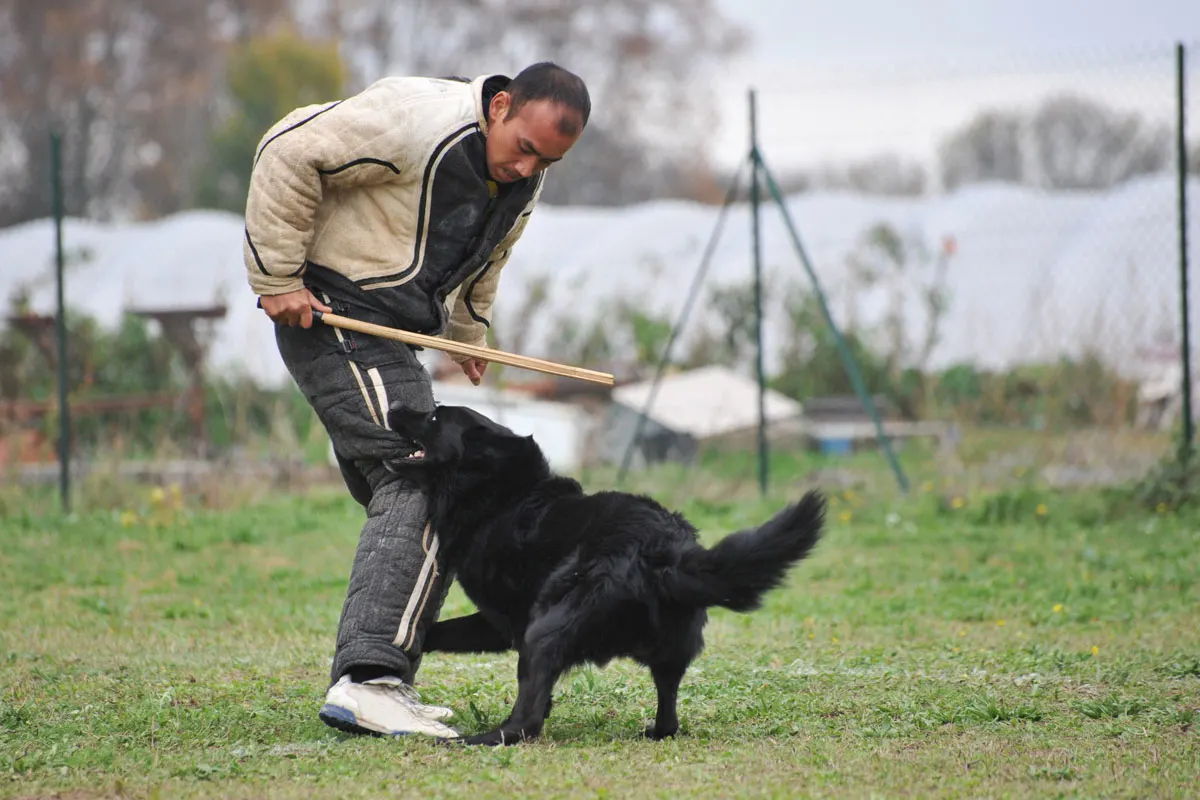
Harsh corrections can damage your dog’s trust and create fear. Positive reinforcement encourages better behavior without stress. Rewarding good actions builds a stronger bond between you and your dog. A supportive approach leads to more reliable results.
Ignoring Bad Behavior


Letting unwanted behaviors slide can make them harder to fix later. Dogs repeat actions that go uncorrected or rewarded. Address issues early and redirect them toward better alternatives. Consistent guidance keeps bad habits from forming.
Not Socializing Enough


Limited exposure to new experiences can lead to fear or reactivity. Introducing your dog to different environments, people, and animals builds confidence. Early and ongoing socialization helps them stay calm and adaptable. A well-socialized dog is easier to manage in everyday situations.
Lack of Mental Stimulation


Physical exercise alone isn’t enough to keep a dog fulfilled. Mental challenges are just as important for preventing boredom. Puzzle toys, training games, and new skills keep their minds sharp. A mentally engaged dog is less likely to develop problem behaviors.