

Dog training advice gets passed around so often that bad ideas can start sounding completely normal. Some of the most repeated tips are not only unhelpful, but can also make training slower, more confusing, and more stressful for your dog. Many of these methods stem from outdated beliefs about behavior and control rather than from trust and communication. Here are some of the worst dog training tips people still follow and why they can backfire.
Dogs Just Need to Run Off Their Energy


Exercise matters, but it is not a cure-all for every behavior problem. Some dogs can stay wound up even after a long walk if their minds are never engaged. Training, enrichment, and problem-solving activities are often just as important as physical activity. A balanced routine works better than simply trying to tire a dog out.
Dogs Know When They’ve Done Something Wrong


What people call a guilty look is usually a response to human tone and body language. Dogs are very good at noticing tension, disappointment, or anger, even if they do not understand the reason behind it. That nervous expression is more about anticipating your reaction than admitting guilt. Assuming otherwise can lead to unfair scolding and more anxiety.
Use Treats as Bribes, Not Rewards


Treats are one of the clearest ways to reinforce behavior your dog gets right. The problem is not the treat itself, but how it is used during training. When rewards are timed well, they help dogs understand exactly which behavior earned the payoff. That makes treats a teaching tool, not a shortcut or a mistake.
Let Them Cry It Out in the Crate


Crate training works best when the crate feels safe, comfortable, and predictable. Leaving a distressed dog to panic for long periods can create a negative association with the space. Instead of learning to relax, the dog may start dreading the crate altogether. A slower, more positive introduction usually leads to better long-term results.
Your Dog Should Never Sleep in Your Bed


This advice gets framed as a strict training rule, but it is really a household preference. For some people, sharing a bed with their dog works just fine and does not create any behavior issues at all. What matters most is whether the arrangement is comfortable, safe, and manageable for everyone involved. Good boundaries can exist whether your dog sleeps beside you or not.
Punish Them Right After They Do Something Bad


Timing matters in dog training, and punishment after the fact usually misses the mark. If a dog has already moved on, they are unlikely to connect your reaction to what happened minutes earlier. That confusion can damage trust and make the behavior problem harder to solve. Prevention, management, and teaching an alternative behavior are more effective approaches.
Rubbing Their Nose in It Stops Potty Accidents


This old method does not teach a dog where to go to the bathroom. It mainly teaches them that accidents around humans are scary and unpredictable. That can make house training slower, not faster, because the dog becomes anxious instead of informed. Consistent schedules, supervision, and rewards for going outside are far more effective.
If They Growl, You Should Punish Them
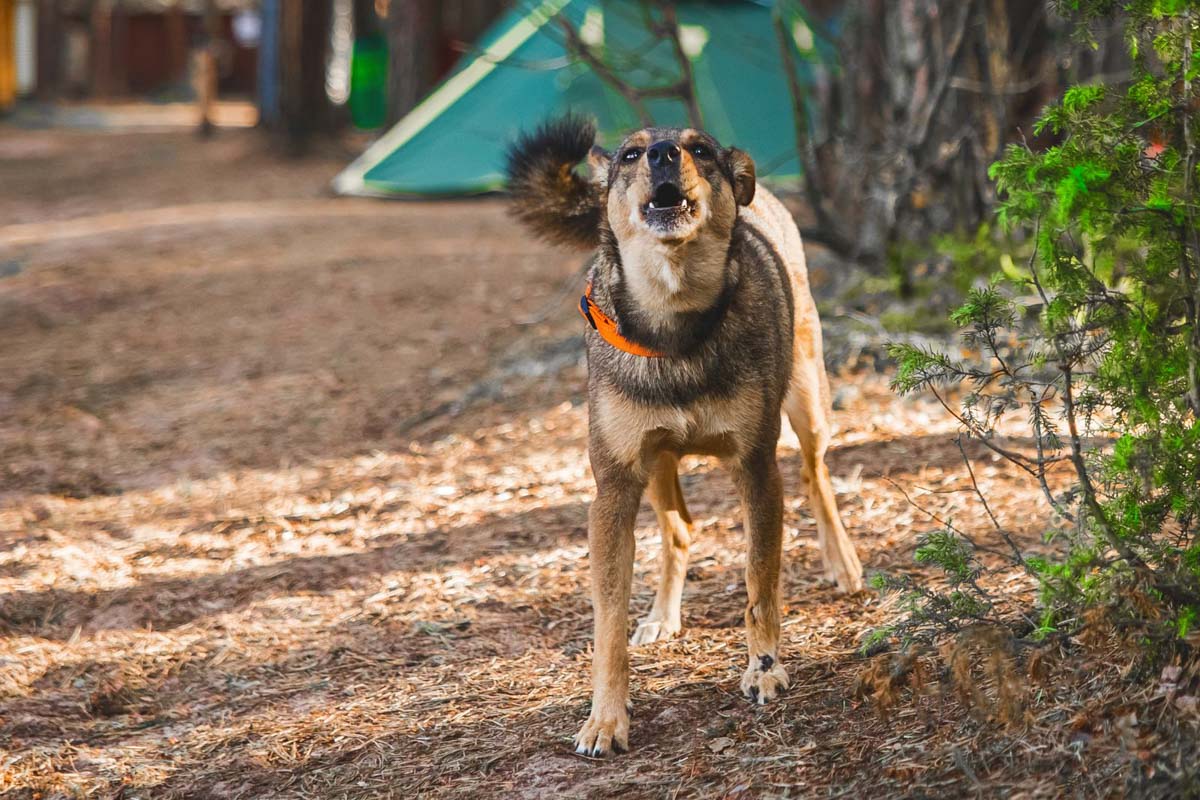

Growling is communication, not defiance. A dog that growls is telling you they are uncomfortable, scared, or overwhelmed and need space or help. Punishing that warning can suppress the signal without solving the underlying problem. It is much safer to pay attention to the cause and work on changing how the dog feels.
A Shock Collar Will Fix Any Behavior


Quick fixes are tempting, but tools that rely on fear often create new problems while masking the old ones. A dog may stop a behavior in the moment without actually learning what you want instead. That can lead to stress, avoidance, or damaged trust between dog and owner. Training is stronger when it builds understanding rather than fear.
Alpha Roll Your Dog to Show Dominance


Forcing a dog onto their back is based on an outdated view of how dogs relate to humans. Instead of teaching respect, it can cause fear and defensive reactions. Many dogs find this physically and emotionally threatening, especially if they already feel uncertain. Trust-based training is far more productive than trying to overpower a dog.