

Training any dog takes time, patience, and consistency, but some breeds are especially known for doing things on their own terms. They may be bright, charming, and deeply loyal, yet still challenge owners with an independent streak that makes progress slower. In many cases, these dogs are not lacking intelligence at all—they simply are not eager to follow directions without a good reason. If you are thinking about bringing home one of these breeds, it helps to be ready for a training journey that may require extra persistence.
Shiba Inu

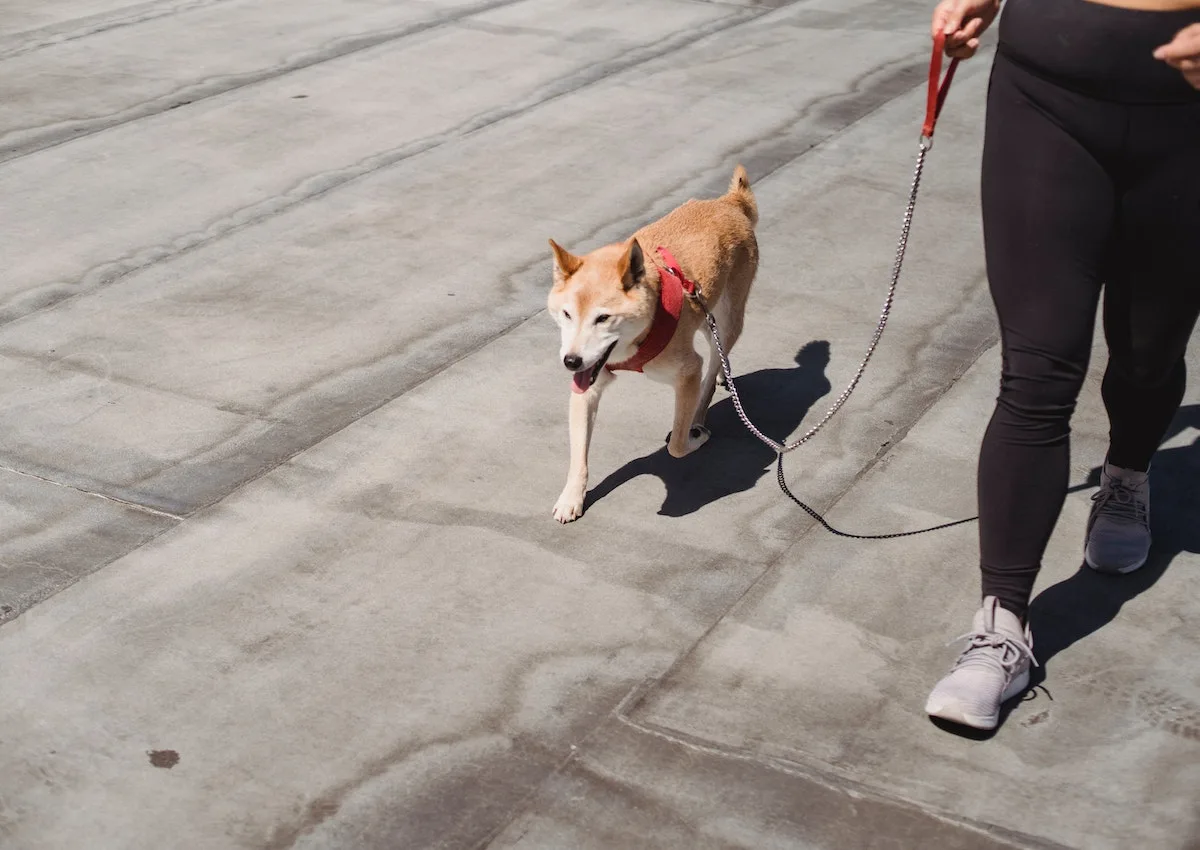
Shiba Inus are famous for their bold personality and strong sense of independence. They often prefer making their own decisions rather than following instructions right away. That can make training feel more like a negotiation than a lesson. Owners usually need a lot of patience, consistency, and motivation to keep them engaged.
Bulldog
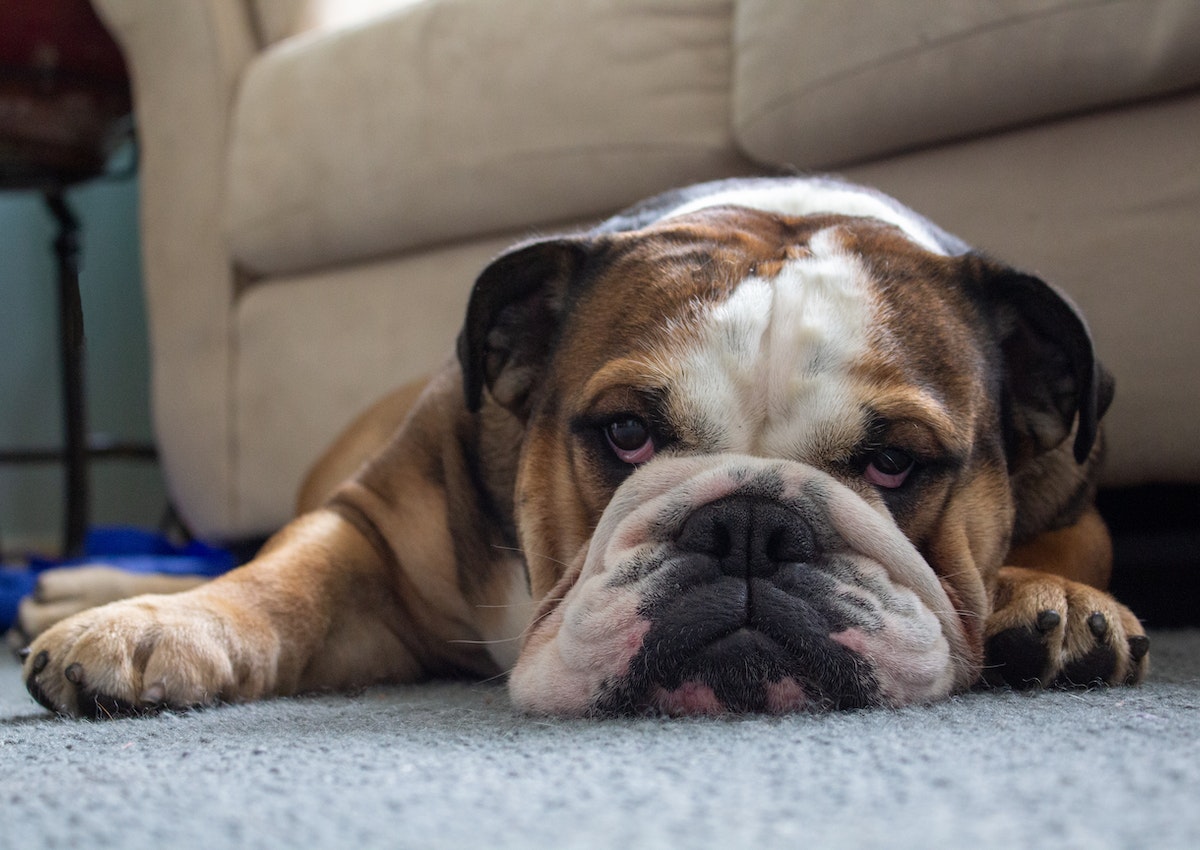

Bulldogs are affectionate companions, but they are not always enthusiastic students. Their laid-back nature can make them seem uninterested when it is time to practice commands. They may understand what you want, yet still decide relaxing is the better option. Training usually goes better when sessions are short, upbeat, and rewarding.
Beagle


Beagles are driven by their nose, and that can easily overpower their focus during training. Once they catch an interesting scent, your voice may become background noise. They are smart dogs, but their curiosity often pulls their attention elsewhere. Trainers usually need extra patience and strong rewards to compete with the world around them.
Afghan Hound


Afghan Hounds are elegant and intelligent, but they are also known for being very self-directed. They often come across as aloof, especially during repetitive training exercises. Rather than eagerly trying to please, they may choose to participate only when it suits them. Success with this breed often depends on calm persistence and a respectful approach.
Fox Terrier


Fox Terriers bring a lot of energy and curiosity into every situation. While that makes them lively companions, it can also make training difficult when their attention keeps shifting. They tend to get distracted easily and may prefer exploring over listening. Keeping sessions structured and interesting is often the best way to hold their focus.
Borzoi


Borzois are graceful and gentle, but they are not always highly motivated by obedience work. They often have an independent mindset and may not see the point of repeating the same lesson over and over. This can make training feel slow compared with more eager-to-please breeds. Owners usually need to stay consistent without turning sessions into a struggle.
Dalmatian

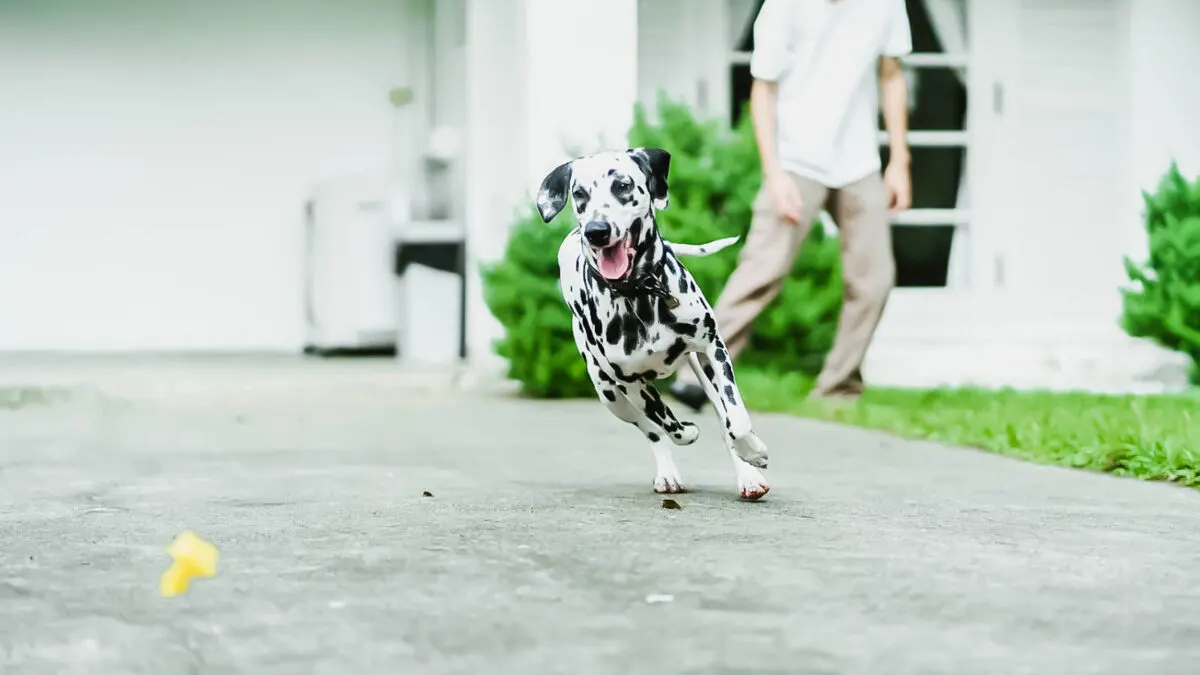
Dalmatians are bright and energetic, which can be both a strength and a challenge in training. Their active minds need direction, but their excitement can make it hard for them to stay settled. They may become distracted or impulsive if sessions are not engaging enough. Training often works best when paired with plenty of exercise and mental stimulation.
Scottish Terrier


Scottish Terriers often carry themselves with a lot of confidence and independence. They are capable learners, but they are not always willing to cooperate just because they are asked. This breed can be stubborn in a quiet, determined way that tests an owner’s patience. Gentle but steady guidance is usually the most effective path forward.
Jack Russell Terrier


Jack Russells are incredibly intelligent, but their drive and intensity can make training feel exhausting. They often want to chase, explore, or investigate rather than calmly follow directions. Without enough exercise and mental challenges, their stubborn side can become even more obvious. They usually do best with owners who can keep lessons active and engaging.
Chow Chow


Chow Chows are known for their reserved personality and strong will. They are often loyal to their people, but that does not always translate into easy training. Many prefer to make up their own mind instead of responding immediately to commands. Building trust and respect is especially important with this breed.
Basenji


Basenjis are clever, curious, and famously independent. They often behave in a very self-contained way, which can make them harder to motivate during training. Rather than waiting for guidance, they may prefer to investigate the world on their own. Owners often need creativity and consistency to keep them interested in learning.
Siberian Husky


Siberian Huskies are smart enough to learn quickly, but they are not always interested in doing what they are told. Their independent nature and high energy can make training feel like a real challenge. They may understand commands perfectly and still decide something else is more interesting. Success with Huskies usually depends on consistency, structure, and plenty of activity.
Weimaraner


Weimaraners are active, intelligent dogs that can become impatient with repetitive training. When they do not get enough stimulation, they may lose focus or become destructive out of boredom. Their stubborn side often shows up when they feel underchallenged or overstimulated. They usually need an owner who can match their energy and keep training varied.