

Feeding a dog might seem simple, but small habits can have a big impact on your pet’s health. Many well-meaning owners unknowingly make feeding choices that can lead to weight problems, digestive issues, or nutritional imbalances. Understanding these common pitfalls can help you make smarter decisions at mealtime. Let’s explore some frequent dog feeding mistakes and how to avoid them, such as overfeeding.


Those begging eyes can make it difficult to say no, but giving too much food can lead to weight gain and long-term health problems. Extra pounds put pressure on joints and increase the risk of conditions like diabetes. Following portion guidelines based on your dog’s size, age, and activity level is essential. Measuring meals instead of guessing can make a big difference.
Ignoring Ingredient Labels


Not all dog foods are created equal. Some products contain fillers, artificial additives, or low-quality ingredients that provide little nutritional value. Taking a moment to read the label helps you understand what your dog is actually eating. Choosing foods with recognizable, high-quality ingredients can support better overall health.
Feeding Human Food Without Caution

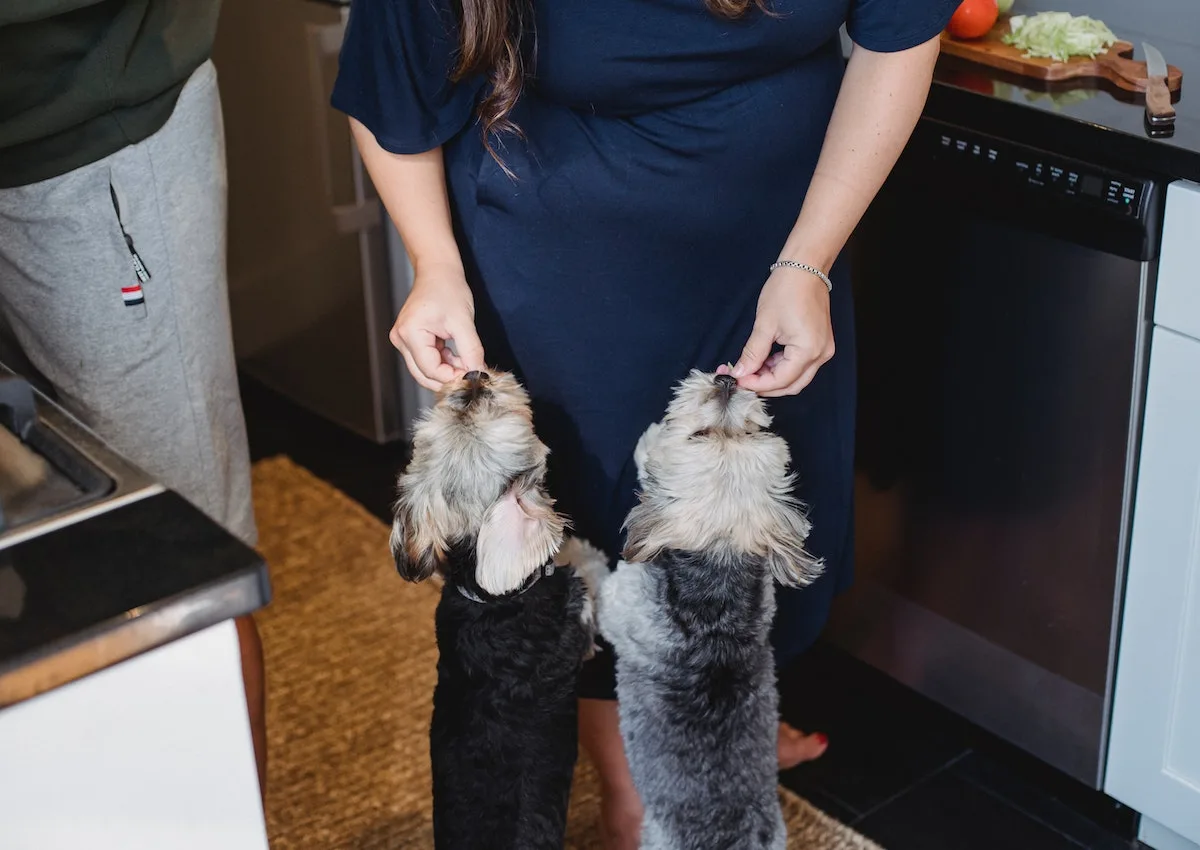
Sharing table scraps may feel like a kind gesture, but many human foods are dangerous for dogs. Items such as chocolate, grapes, onions, and certain sweeteners can be toxic. Even safe foods can upset a dog’s stomach when given in excess. When offering treats, stick to foods specifically made for dogs or vet-approved options.
Underfeeding


While overfeeding is common, some dogs also receive too little food. Insufficient calories can lead to fatigue, weight loss, and nutrient deficiencies. Every breed and life stage requires different energy levels to stay healthy. Monitoring body condition and adjusting portions accordingly helps ensure your dog stays properly nourished.
Neglecting Individual Dietary Needs


Dogs have different nutritional requirements depending on their age, size, and activity level. Puppies typically need more calories and specific nutrients to support growth, while senior dogs often benefit from lighter diets. Ignoring these differences can lead to imbalances over time. Tailoring meals to your dog’s life stage helps maintain long-term health.
Irregular Feeding Schedules


Dogs feel more comfortable when they know what to expect each day. Feeding at random times can disrupt their digestion and create unnecessary stress. Establishing regular meal times helps regulate their appetite and metabolism. Consistency also makes it easier to monitor how much your dog eats.
Not Providing Enough Water


Hydration plays a crucial role in your dog’s overall health. Water supports digestion, temperature regulation, and joint function. Dogs should always have access to clean, fresh water throughout the day. Regularly refilling and cleaning their bowl ensures they stay properly hydrated.
Feeding Only Dry Food
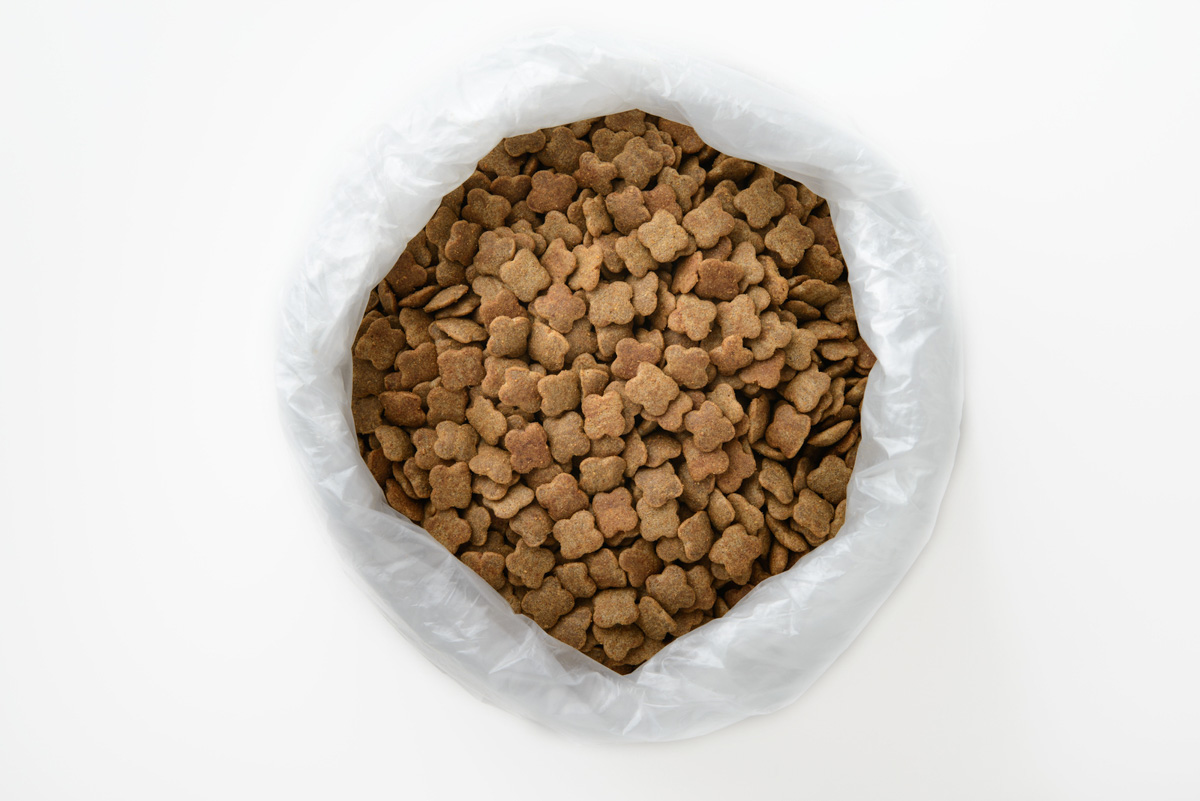

Kibble is convenient, but relying on it alone may limit variety in your dog’s diet. Adding wet food or safe fresh ingredients can provide additional moisture and flavor. Many dogs also enjoy the texture differences that mixed meals offer. A balanced combination can make mealtime both nutritious and enjoyable.
Overlooking Possible Food Allergies


Some dogs develop sensitivities to certain ingredients over time. Signs may include itching, digestive discomfort, or recurring ear infections. Paying attention to these symptoms can help you identify potential food-related issues. A veterinarian can guide you through diet adjustments or elimination trials if allergies are suspected.