


Living with allergies and loving dogs can feel like an impossible mix. For some people, just being in the same room with a shedding, dander-producing dog is enough to trigger sneezing, watery eyes, or worse. While no dog is truly hypoallergenic, some breeds are far more likely to make your symptoms flare up. Thick coats, constant shedding, and high dander output can turn even the cutest pup into a serious problem for allergy sufferers.


Saint Bernard


Saint Bernards are known for their sweet nature and massive size, but they are also one of the worst breeds for allergy sufferers. Their thick, heavy coat sheds a tremendous amount, especially as the seasons change. Combine that with their high production of dander and frequent drooling, and you end up with a perfect storm for triggering allergic reactions. These dogs leave behind an allergy footprint that is nearly impossible to ignore. They are gentle and affectionate but can make life difficult for anyone sensitive to pet allergens.
Basset Hound


Basset Hounds may not look like high-maintenance dogs, but their short, dense coat sheds far more than most people expect. Their signature droopy ears and tendency to drool can also contribute to the spread of allergens around your home. For someone with allergies, this breed presents a double challenge. The shedding never really stops, and their body structure makes them more prone to collecting dirt and allergens from the outside. They are lovable companions, but living with one can quickly become a constant battle against dust, fur, and irritation.r your house.
German Shepherd


German Shepherds are intelligent, loyal, and commonly found in homes across the country, but they are far from allergy-friendly. Their double coat sheds throughout the year and becomes even more intense during their seasonal “blowout” periods. No matter how often you vacuum, the fur and dander seem to multiply. People who are sensitive to airborne allergens often find it hard to manage symptoms in a home with this breed. Their shedding is consistent and heavy, and their popularity does not change the fact that they are one of the most triggering breeds for allergy-prone households.
Pekingese
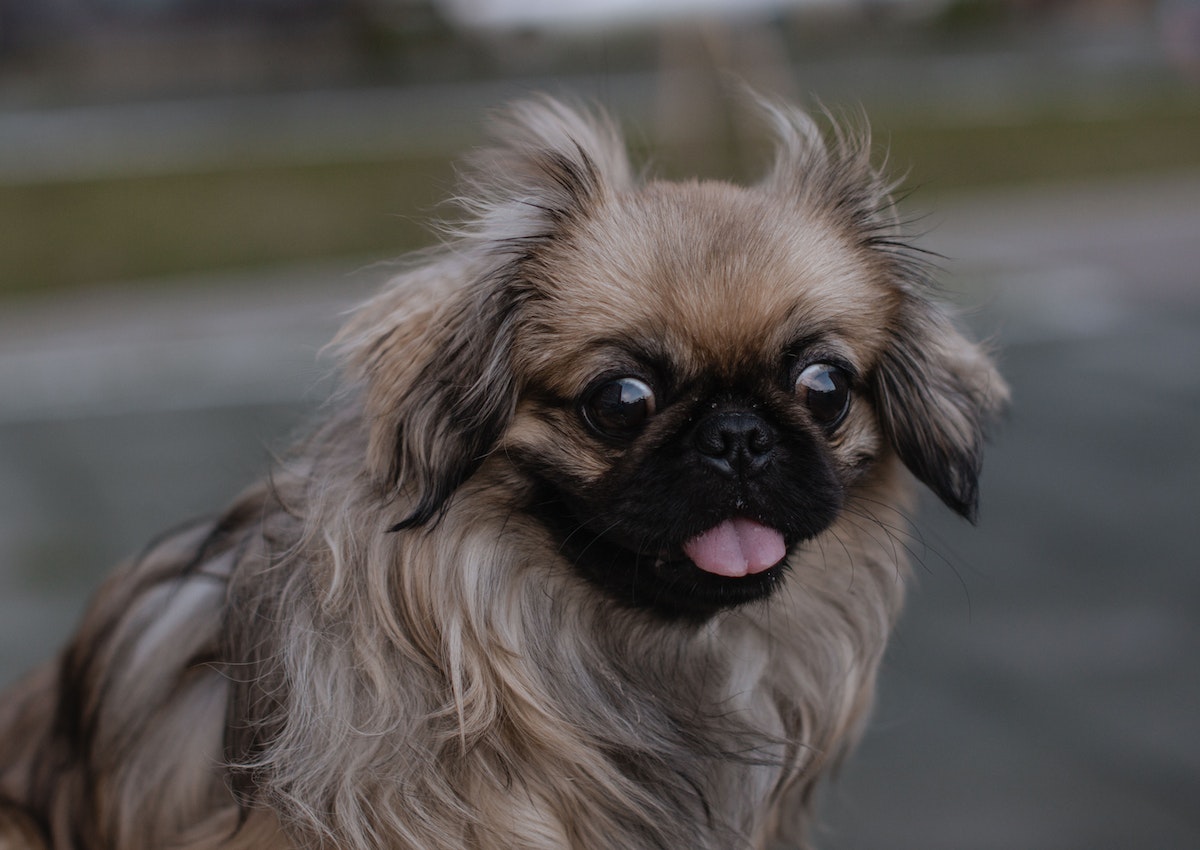

The Pekingese is a small breed with a surprisingly high-maintenance coat. Beneath all that fluff is a dog that sheds consistently and requires frequent grooming to stay clean and tangle-free. Unfortunately, all of that brushing and grooming tends to stir up more dander, not less. Their size may make them seem like a manageable option, but allergy sufferers often find that their dense fur and shedding habits quickly outweigh the benefits. They may be charming and regal in personality, but their coat makes them a difficult fit for sensitive owners.
Doberman Pinscher
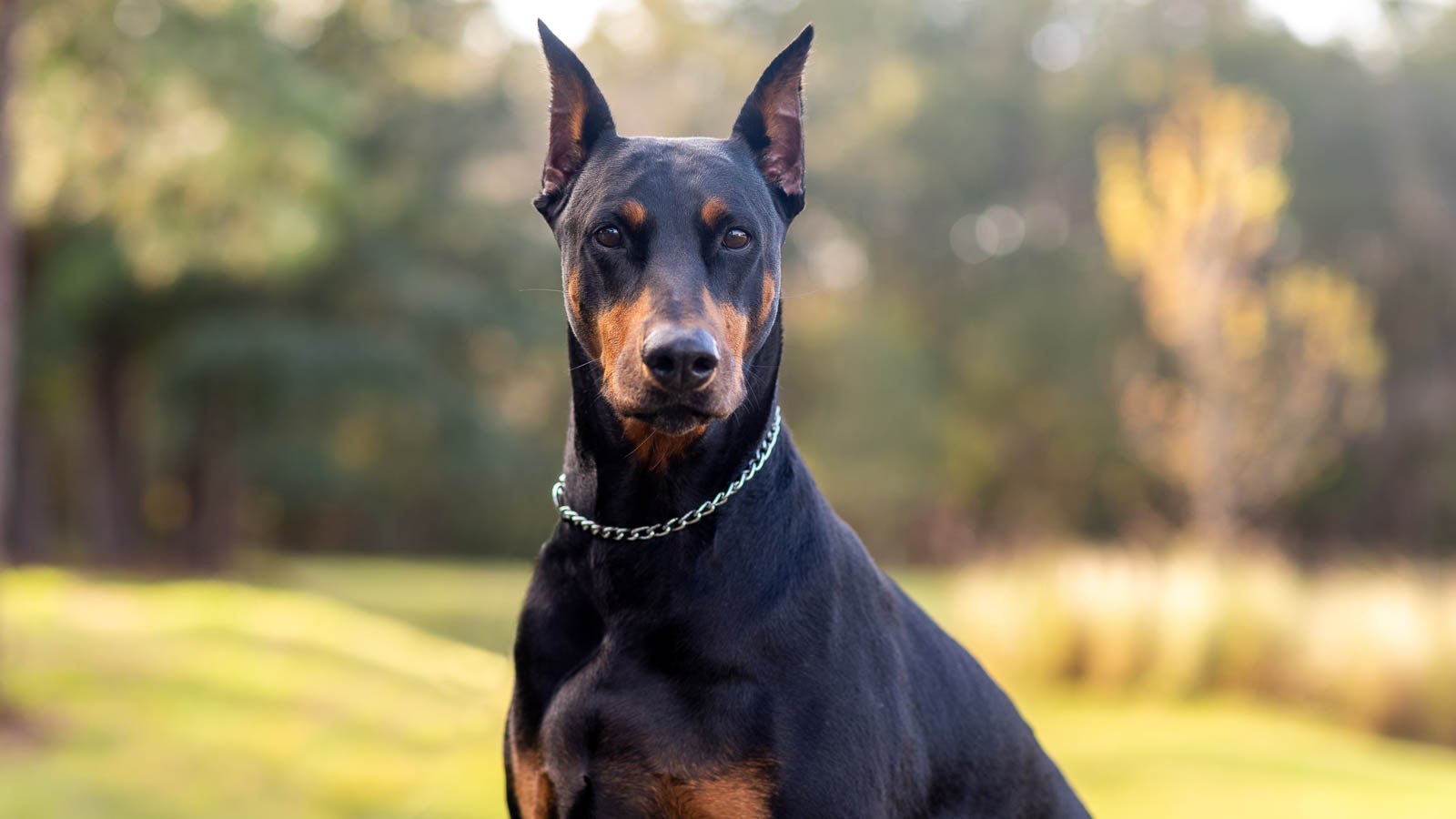

Dobermans are sleek, athletic dogs with short hair, which might make them seem like a safe choice for allergy sufferers. But despite appearances, their coat sheds regularly and can carry a surprising amount of dander. While they do not have the same grooming needs as long-haired breeds, their skin can still produce enough allergens to trigger reactions. Their presence in the home may feel cleaner on the surface, but they are far from hypoallergenic. For anyone with moderate to severe pet allergies, this breed can be a source of ongoing discomfort.
Cocker Spaniel


Cocker Spaniels are known for their affectionate temperament and beautiful, soft coats. Unfortunately, that long, wavy fur sheds more than most people expect and requires regular grooming to prevent matting. All of that grooming can release allergens into the air and onto surfaces, which can be a major problem for anyone with respiratory sensitivities. In addition to shedding, these dogs also produce a fair amount of dander. The combination makes them one of the less compatible choices for allergy-prone households, despite their gentle personalities.
Siberian Husky
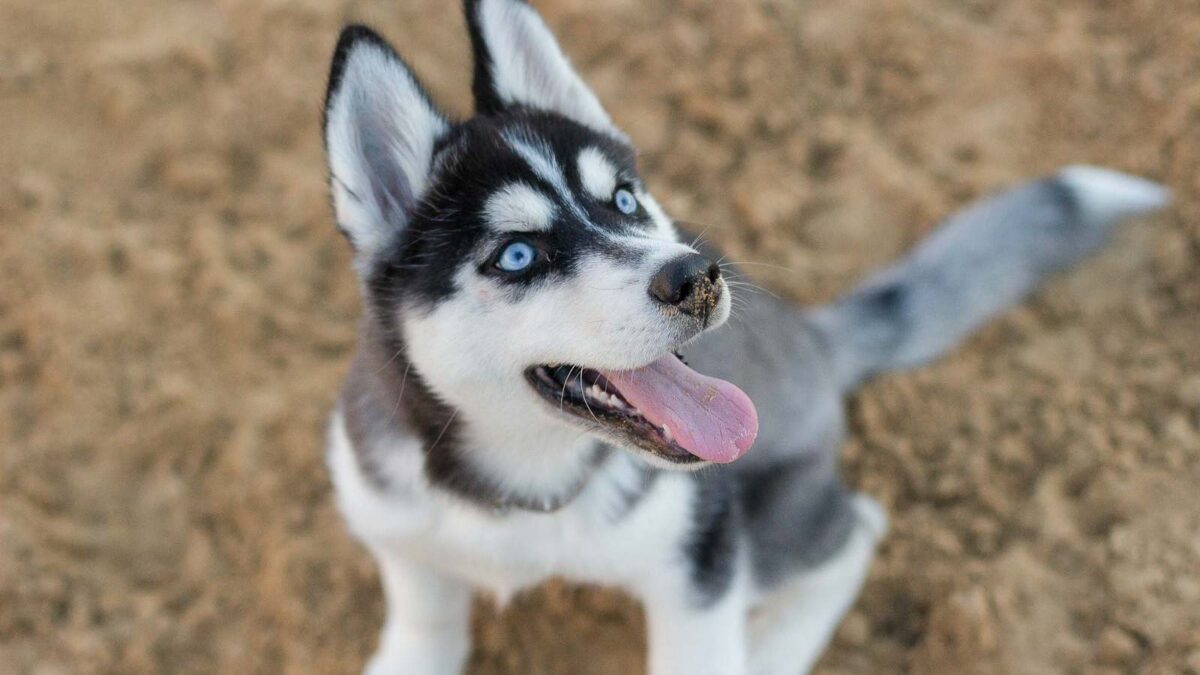
The Siberian Husky is a striking breed, but its thick double coat is a nightmare for allergy sufferers. These dogs shed constantly and enter intense periods of shedding twice a year, often referred to as “coat blowing.” Even with frequent brushing, their fur tends to get everywhere—from your clothes to your furniture and even into the air you breathe. The dander they produce is just as relentless. If you’re someone who already struggles with allergies, this breed can make symptoms significantly worse, even with consistent cleaning.
Great Pyrenees


The Great Pyrenees is a majestic, gentle breed with a massive coat that looks soft but hides a serious allergen problem. These dogs shed heavily year-round and produce a significant amount of dander. Their size means they bring in more allergens from the outdoors, and their long fur holds onto everything from pollen to dust. Allergy sufferers who live with a Great Pyrenees often find themselves constantly cleaning without much relief. They are loyal and calm, but their coat can be a serious obstacle for people sensitive to pet allergens.
Boxer


Boxers are friendly, playful, and full of energy, but they are not ideal for people with allergies. Despite their short hair, they shed a surprising amount throughout the year. Their skin tends to be dry, which contributes to high dander levels in the home. Even daily cleaning may not be enough to keep symptoms under control. If you love the personality of a Boxer but are sensitive to allergens, it may be difficult to manage your environment without relying heavily on medication or air filtration.
Akita


Akitas are powerful, devoted dogs with a thick, plush coat that sheds frequently and heavily. They are known for their seasonal shedding cycles, which can overwhelm even the most dedicated groomers. For people with allergies, the amount of fur and dander they release can quickly make living conditions difficult. Their size also means there is simply more surface area producing allergens. Although they are deeply loyal and impressive in appearance, Akitas can be a tough fit for allergy-sensitive homes.
Labrador Retriever


Labs are one of the most popular breeds in the United States, but they are not a good match for people with pet allergies. Their short, dense coat sheds constantly, and they produce a noticeable amount of dander. Seasonal changes only make things worse, with heavy shedding in both spring and fall. Many allergy sufferers find that living with a Lab leads to an ongoing struggle with sneezing, itchy eyes, and congestion. Their friendly temperament is unmatched, but their impact on indoor air quality can be significant.
Bulldog
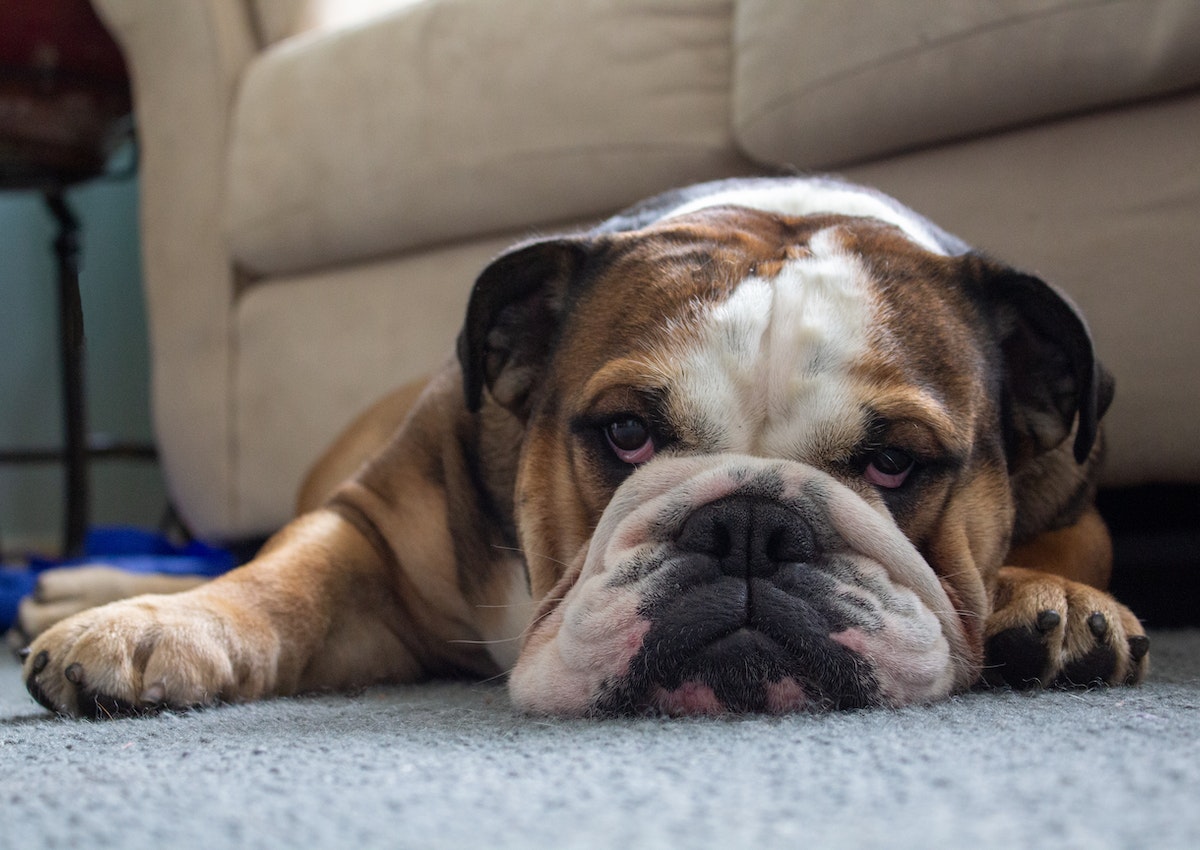

Bulldogs have a short, coarse coat that might seem manageable at first glance, but they shed consistently and are prone to skin issues that can increase dander production. On top of that, their tendency to drool means allergens can spread to more surfaces around your home. Bulldogs are lovable and laid-back, but their grooming and hygiene needs make them more problematic for people with allergies than their appearance suggests. Maintaining a clean environment with this breed can be a real challenge.
Pomeranian


Pomeranians may be small, but they pack a lot of fur into a tiny frame. Their fluffy double coat sheds frequently and needs constant grooming to stay under control. Unfortunately, this means more dander and loose fur throughout your living space. Allergy sufferers often find that Pomeranians cause just as many problems as larger, heavier shedders. Their adorable looks and spirited personality make them appealing, but they are far from a low-impact option when it comes to allergens.
Chow Chow


Chow Chows have one of the thickest and most high-maintenance coats in the dog world. Their fur is dense and sheds in large amounts throughout the year, not just during seasonal changes. This shedding brings a heavy load of dander into the home, which can quickly worsen allergy symptoms. Grooming is necessary but often only stirs up more allergens. Chow Chows are loyal and striking in appearance, but their coat alone makes them one of the least allergy-friendly breeds out there.
Newfoundland


Newfoundlands are gentle giants with a kind temperament, but their thick, water-resistant coats create major issues for allergy sufferers. These dogs shed frequently, and their fur tends to hold onto moisture, dirt, and outdoor allergens. On top of their heavy shedding, they produce a large amount of dander simply due to their size. They are incredibly sweet and calm companions, but keeping a home allergy-safe with a Newfoundland around can be a full-time effort.
12 Dog Breeds You Can’t DIY Groom


Grooming some dogs is no easy task, and a quick trim at home just won’t cut it. These breeds need regular trips to the salon to keep their coats looking fabulous and healthy. From curly-coated cuties to fluffy giants, these pups demand professional grooming. If you’re thinking of bringing one of these adorable furballs into your life, be ready to make those grooming appointments.
Read it Here: 12 Dog Breeds You Can’t DIY Groom
8 Dog Breeds That Shed Less Than You’d Expect


Shedding is a reality for most dog owners, but some breeds defy expectations when it comes to keeping your home fur-free. These dogs may have long, fluffy, or curly coats, but they won’t leave you constantly picking fur off your clothes. If you’re looking for a dog that sheds less than you’d think, these eight breeds will keep your home cleaner without sacrificing personality or charm.
Read it Here: 8 Dog Breeds That Shed Less Than You’d Expect
*Select images provided by Depositphotos.