


Some dog breeds come with more than just a big bark or a strong personality. In some countries, they’re actually illegal to own. These bans usually have less to do with the dogs themselves and more to do with how people have handled them over time. A strong build, protective instincts, and the wrong kind of headlines have put certain breeds on the global blacklist. Some of these names won’t surprise you at all, but a few might catch you off guard.


Pit Bull Terrier


Pit Bulls are one of the most widely recognized breeds on breed-specific legislation lists around the globe. Countries such as the United Kingdom, Australia, and New Zealand have placed strict bans or heavy restrictions on owning one. These laws typically stem from concerns about their strength and history of involvement in aggressive incidents, particularly in unregulated settings. While many advocates argue that responsible ownership makes a huge difference, the breed’s reputation often outweighs its individual temperament in the eyes of lawmakers. Their muscular build and determined nature make them a target for these types of regulations, regardless of the owner’s intentions.
Japanese Tosa


The Japanese Tosa is a large and powerful breed originally developed for dog fighting in Japan, where the practice remains legal in some regions. Countries like Norway, Iceland, and Denmark have made the breed illegal due to its association with aggression and its intimidating physical presence. These dogs can weigh over 130 pounds and were bred to be silent, calm, and focused in combat. Even though modern breeders may emphasize a more stable temperament, the Tosa’s legacy has made it difficult for the breed to gain acceptance internationally. In many places, ownership requires permits, liability insurance, or outright bans due to perceived risk.
Dogo Argentino


With its sleek white coat and muscular frame, the Dogo Argentino is often mistaken for a calm, gentle breed. But its origins tell a different story. Developed in Argentina to hunt big game such as wild boar and puma, this dog was bred for power, endurance, and courage. Those same traits can become problematic in densely populated settings where strong prey drive and territorial instincts raise red flags. Countries like Australia, New Zealand, and Denmark have banned the breed altogether, citing concerns about aggression and difficulty managing them in untrained hands. Even in countries where they are legal, Dogos often require strict handling and ongoing socialization.
Fila Brasileiro


The Fila Brasileiro, also known as the Brazilian Mastiff, has a reputation for being deeply loyal to its family but suspicious of strangers to an extreme degree. Originally bred to protect livestock and property, the Fila’s bold temperament and territorial nature have made it illegal in places like the United Kingdom, Norway, and New Zealand. The breed is known to act on its instincts with little hesitation, and that unpredictability is a concern for many lawmakers. Even experienced dog owners can struggle with the level of training and structure this breed requires, which is why it has landed on multiple international banned lists.
American Staffordshire Terrier


Often lumped together with Pit Bulls, the American Staffordshire Terrier has faced similar legal challenges in countries like Germany and some parts of Australia. These dogs are muscular, alert, and extremely devoted to their families, but their resemblance to breeds historically used for fighting has led to widespread mistrust. In many cases, legislation doesn’t distinguish between an American Staffordshire and other bully breeds, making ownership a legal minefield. While they can be affectionate and well-mannered with proper training, public perception and policy often focus on physical traits rather than behavior.
Presa Canario


The Presa Canario, a breed developed in the Canary Islands for working with livestock, has been involved in several high-profile attacks over the years. These incidents have led to bans or restrictions in countries like New Zealand and Australia. Presas are large, confident, and highly protective, which can become dangerous when combined with inadequate training or socialization. Their physical strength makes them difficult to control if they decide to assert themselves, and their guarding instincts are deeply ingrained. While they can be stable companions in the right environment, many governments have decided that the risk outweighs the reward.
Boerboel


Boerboels were bred in South Africa to guard farms against large predators, and that kind of job requires more than just size. These dogs are confident, territorial, and incredibly strong, which is why they have been banned in places like Denmark and other European nations. Their protective nature makes them excellent at what they were bred to do, but it also means they need clear structure, early training, and strong leadership. Without those things, Boerboels can become reactive and difficult to manage. Their sheer physical power has raised enough concern to land them on the banned list in multiple countries.
Neapolitan Mastiff


Known for their enormous size and signature wrinkles, Neapolitan Mastiffs are calm and watchful but also incredibly strong. Originally bred as guard dogs in Italy, they have instincts that drive them to protect territory and people, sometimes more aggressively than expected. Countries like Singapore and parts of Denmark have banned or restricted the breed, citing concerns about their size and potential to cause harm if not trained properly. They are not naturally aggressive, but their strength and sometimes aloof temperament make them a challenging breed to manage without experience and consistency.
Cane Corso

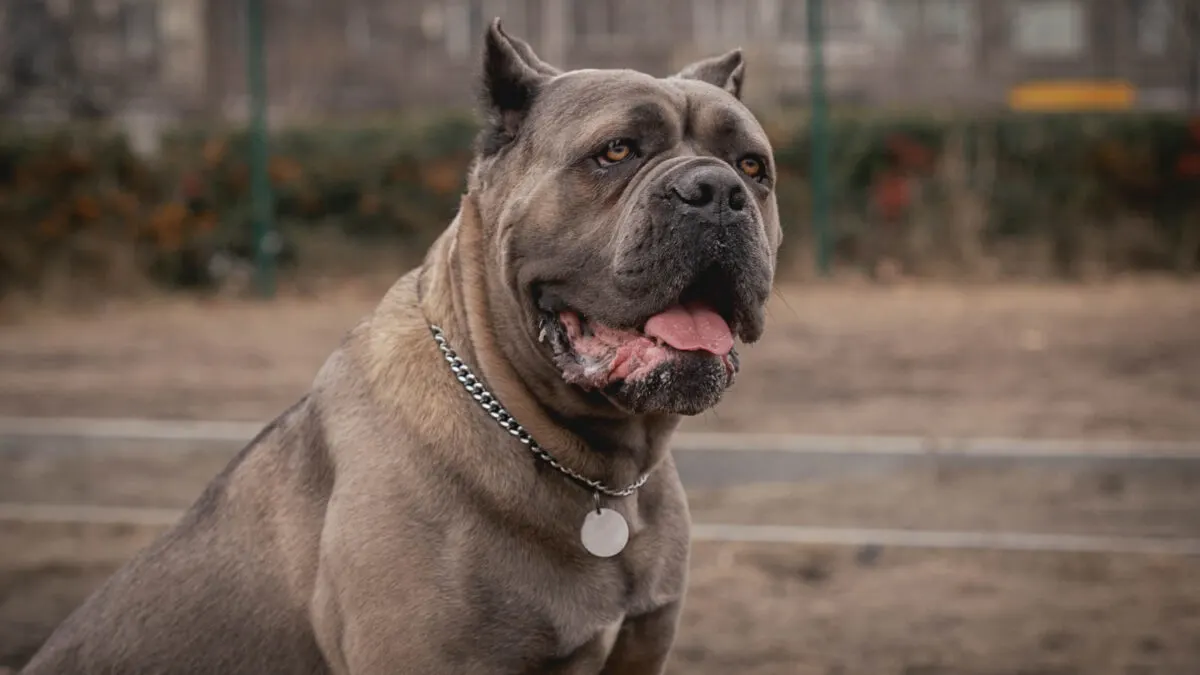
Cane Corsos are powerful working dogs from Italy that were bred to guard property and livestock. Their intensity and size demand responsible ownership, which has led some countries and regions to impose bans or strict regulations. While they can be loyal and well-behaved in the right home, their physical presence and instinct to protect can easily turn into a liability without proper training. Some cities and states in the United States, as well as parts of Europe, have placed restrictions on Cane Corsos due to past incidents and the breed’s intimidating nature.
Wolfdog
Wolfdogs are a hybrid of a domestic dog and a wolf, and while they might seem intriguing or exotic, they come with serious behavioral challenges. These animals often retain wild instincts that can include unpredictable reactions, a strong prey drive, and difficulty bonding in the same way as traditional dogs. As a result, they are banned in countries like Norway and heavily restricted or prohibited in several US states. Training a wolfdog requires a unique understanding of canine and wild animal behavior, which makes them an impractical and often unsafe choice for the average dog owner.
12 Dog Breeds with a Reputation for Aggression


When it comes to choosing a dog, temperament is a big deal. Some breeds come with a reputation for having an aggressive streak that can be challenging to manage. Whether it’s due to their protective instincts or just a strong personality, these dogs require experienced handling. If you’re not prepared, you might find yourself in over your head.
Read it Here: 12 Dog Breeds with a Reputation for Aggression
11 Dog Breeds Europe Is Obsessed With

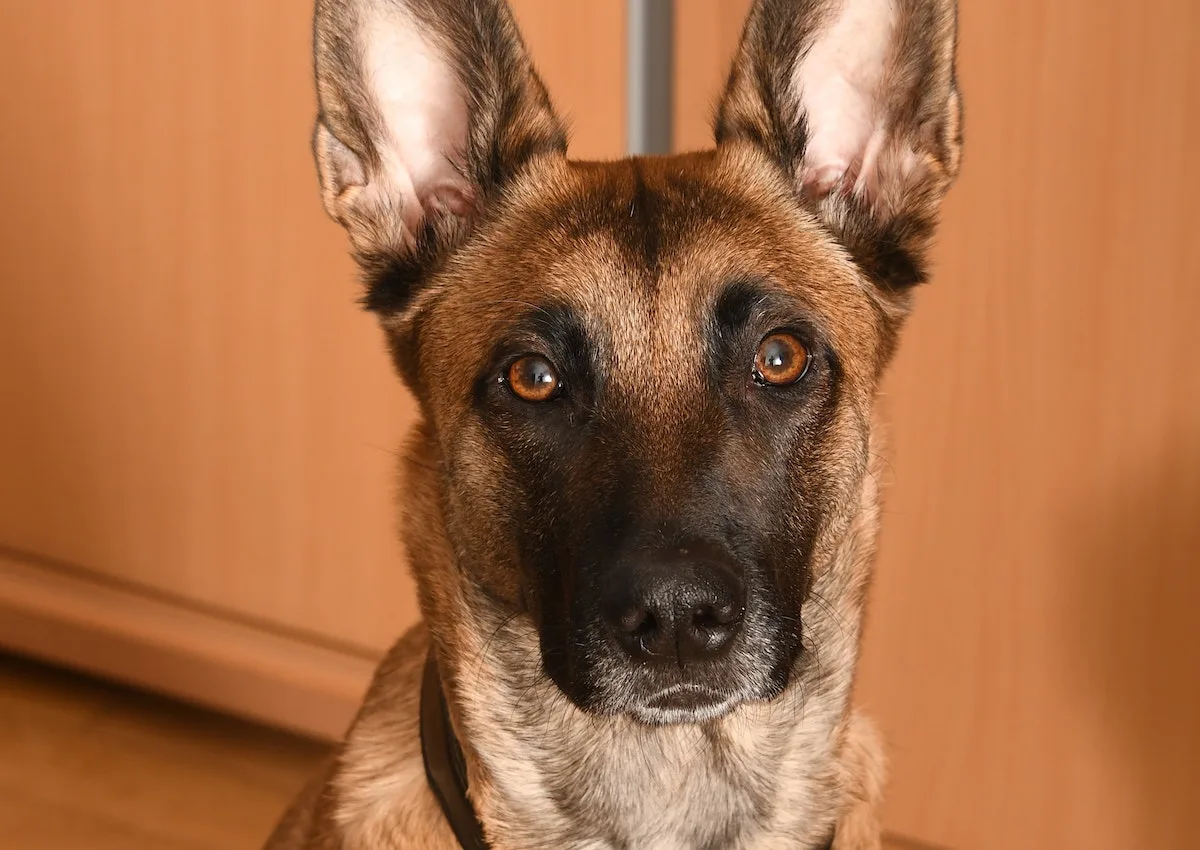
Europeans have a clear sense of what makes a great dog, and certain breeds have become staples across the continent. From city-friendly companions to hardworking rural dogs, these breeds have proven their popularity in a variety of settings. Some are classic favorites, while others might catch you off guard. Whether it’s their loyalty, intelligence, or easy-going nature, these dogs have earned their spot as Europe’s top choices.
Read it Here: 11 Dog Breeds Europe Is Obsessed With