
Working dogs have a reputation for needing constant jobs, endless exercise and owners who know exactly what they’re doing. That can scare a lot of families off, even when these breeds are some of the most connected, loyal companions you can live with. A lot of dogs bred for real work were also expected to exist alongside people all day, which means bonding closely wasn’t optional, it was part of their job. Those genetics and history show up in how tuned in they are to routines, movement and household dynamics.


Labrador Retriever

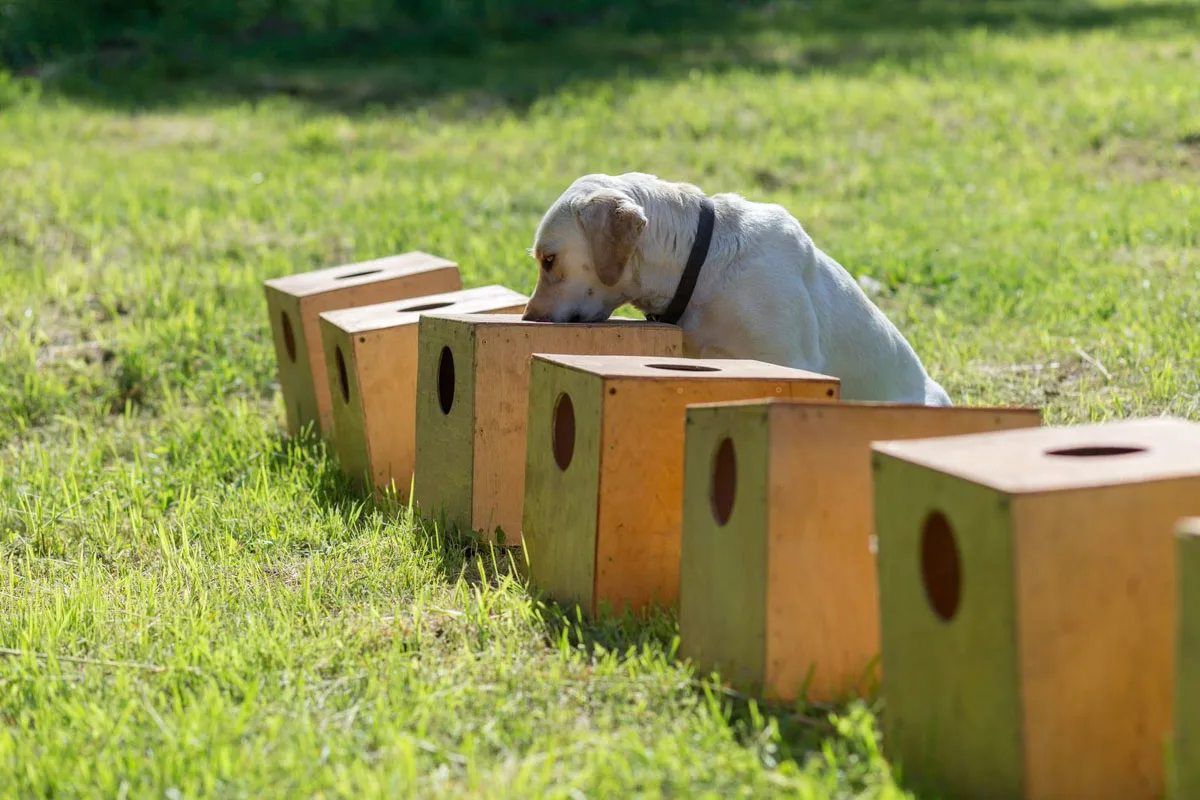
Labradors make working ability look effortless because they slide between roles so easily. One minute they’re focused on a task, the next they’re stretched across the floor while kids climb over them. They were bred to work alongside people, not independently, which explains how naturally they check in and stay connected. Labs usually want to be where the activity is, even if that activity is just dinner getting made. That mix of capability and approachability is why so many families stick with them year after year.
Golden Retriever


Goldens bring a steadiness that makes busy households feel more manageable. They learn routines quickly and tend to respond with patience instead of frustration, which matters when kids, noise and unpredictability are part of daily life. Their working background shows up in how willing they are to practice skills, repeat tasks and stay engaged without needing constant novelty. They’re playful, but they’re also deeply reassuring dogs to have around.
German Shepherd

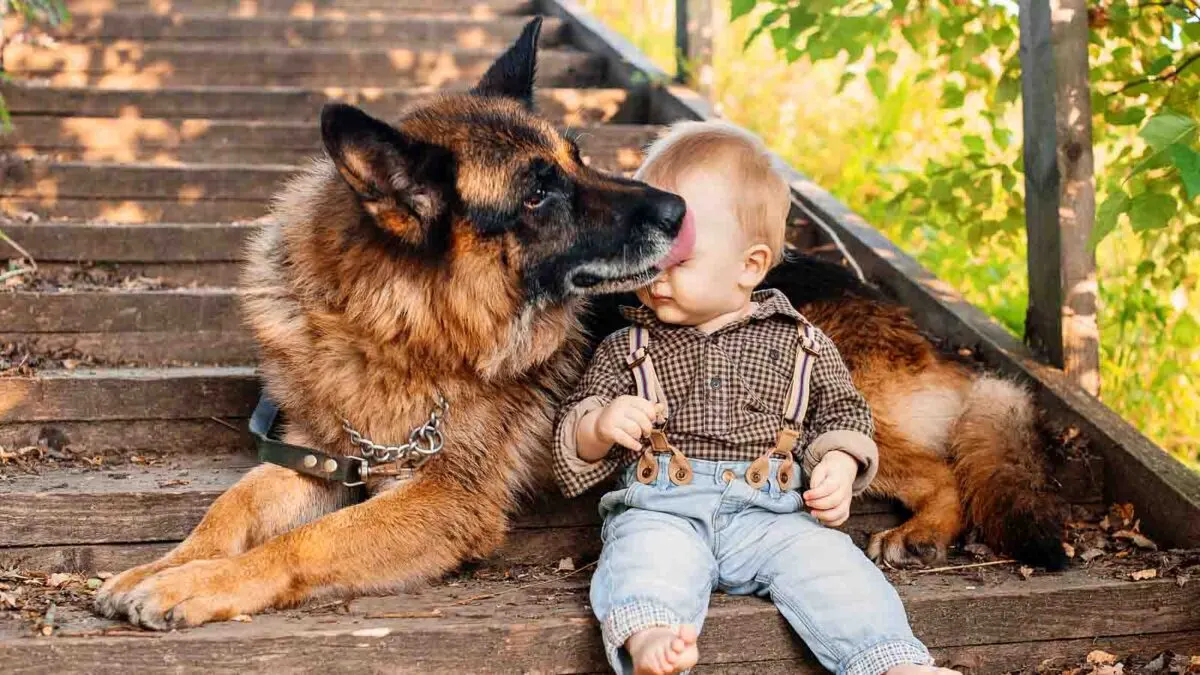
German Shepherds take family seriously in a way that can feel different from other breeds. They watch, anticipate and position themselves close without being asked, almost like they’re always running quiet background checks on the environment. That intensity softens once they understand their people and routines. With structure, they become incredibly affectionate and surprisingly gentle, especially with kids they consider part of their circle. The partnership aspect is what keeps people drawn to them.
Border Collie


Border Collies don’t just want activity, they want involvement. They notice patterns fast, which means they often learn household rhythms before anyone intentionally teaches them. That awareness can look like constant motion, but it’s usually curiosity and engagement rather than restlessness. In active families, that turns into a dog that wants to join hikes, backyard games and even simple chores.
Australian Shepherd


Australian Shepherds bring enthusiasm that feels personal rather than chaotic. They follow people from room to room, keep track of who’s where and insert themselves into whatever is happening. That herding mindset translates into connection, not just energy. Families who lean into training and shared activity often end up with a dog that feels deeply invested in daily life. They’re busy dogs, but they’re busy with you.
Boxer


Boxers carry working dog strength with a personality that refuses to stay serious for long. They’re physically capable and protective, yet they approach family life with a playfulness that lowers the pressure. Many stay goofy well into adulthood, which makes them natural matches for households with kids. They want interaction, not distance, and that keeps their energy feeling social instead of overwhelming.
Siberian Husky


Huskies bring endurance and independence, but their pack orientation often gets overlooked. They’re wired to exist within a group, which is why they tend to integrate well into families that stay active together. They’re expressive, opinionated and sometimes chaotic, but the bond they form runs deep. Routine and exercise make a noticeable difference in how settled they feel at home.
Bernese Mountain Dog


Bernese Mountain Dogs move through family life at a slower, steadier pace than their size suggests. They were bred to work alongside farmers and stay close, which explains how naturally they gravitate toward shared spaces. Their patience with kids is exceptional even in chaotic households. They don’t demand constant activity, but they do want proximity and inclusion.
Standard Poodle


Standard Poodles bring a level of awareness that can surprise people who only know their reputation for looks. They read tone, pick up patterns and often anticipate what’s about to happen next. That intelligence makes training smoother, but it also deepens the relationship because they stay mentally present. Families who give them outlets usually end up with a dogs that feels flexible and highly connected.
Rottweiler


Rottweilers approach family life with a quiet seriousness that softens into affection once trust is established. They tend to choose closeness over attention seeking, positioning themselves nearby rather than constantly asking for interaction. That steadiness can feel reassuring, especially in busy homes. With structure and early socialization, their protective instincts settle into awareness rather than tension. Many owners talk about the sense of reliability they bring to everyday life.
11 Unusual Jobs Dogs Can Perform Better Than Humans
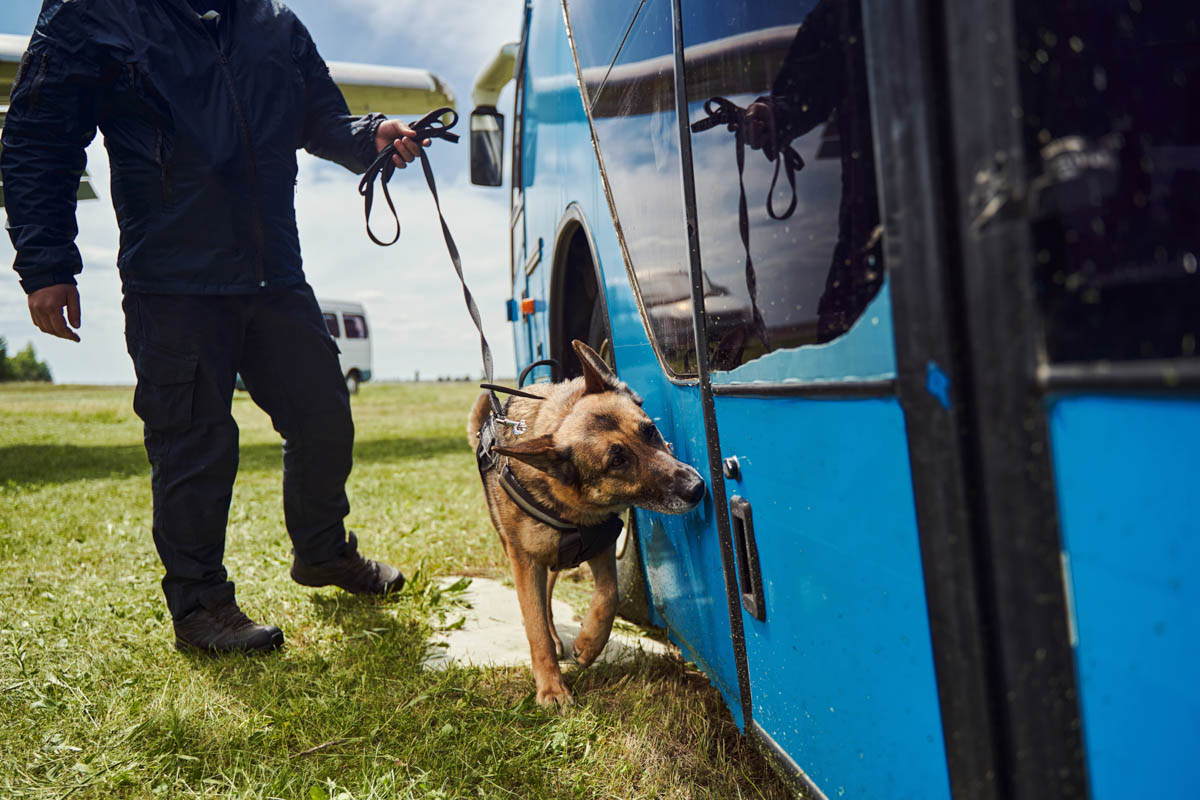

We all know dogs are awesome, but some of them have jobs that are seriously impressive. Whether it’s finding hidden drugs or sniffing out truffles, these pups have skills that far exceed the capabilities of humans. Watching them do the jobs they’re trained for is beyond impressive and takes the meaning of “man’s best friend” to a whole new level.
Read it Here: 11 Unusual Jobs Dogs Can Perform Better Than Humans
9 Dog Breeds That Were Bred For Completely Unexpected Jobs


Not all dogs were bred just to be loyal companions or fetch tennis balls. Some of them have pretty wild backstories you wouldn’t expect. From tiny lap dogs with tough-as-nails attitudes to fluffy pups who used to have serious day jobs, these breeds weren’t always just about looking cute.
Read it Here: 9 Dog Breeds That Were Bred For Completely Unexpected Jobs
*Select images provided by Depositphotos.