

Many dogs draw people in with soft expressions, fluffy coats or playful energy, which can make their original purpose easy to overlook. These breeds may look approachable but they were bred to guard property, manage livestock or stay alert to unfamiliar movement. Those instincts can sometimes takeover even when the dog lives a relaxed family life. The result is a personality that blends affection with awareness rather than friendliness toward everyone by default. Understanding that balance is important to help set realistic expectations around training, socialization and daily routines.

Chow Chow


Chow Chows carry a calm, almost reserved demeanor that people sometimes interpret as easygoing friendliness. In practice, they tend to form tight bonds with their households and stay selective about new interactions. Their guarding history contributes to territorial awareness and a preference for structure around introductions. With consistent boundaries, they settle into affectionate companions that value routine and familiarity.
Akita


Akitas often appear composed and gentle, which can mask how seriously they take their role within a household. Loyalty runs deep, and many develop a strong sense of responsibility toward their family members. They observe first, react second and don’t usually seek attention from unfamiliar people. Training focuses on guidance and clear expectations rather than constant correction.
Dalmatian

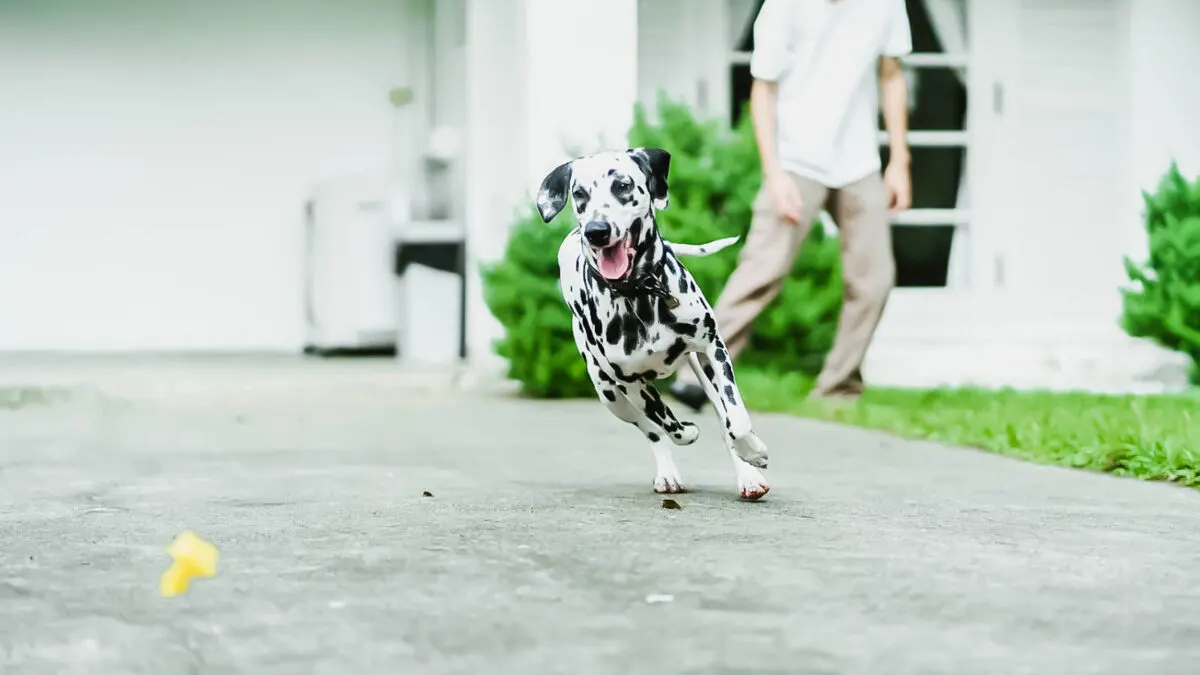
Dalmatians bring energy and sociability, but their background as carriage dogs required vigilance and endurance. That history manifests as alertness to environmental changes and a willingness to step between their family and unfamiliar situations. They thrive when physical outlets match their mental engagement, which helps prevent protective behavior from becoming reactivity. Owners often notice how closely they track household movement.
Great Pyrenees


Great Pyrenees dogs project softness through their appearance, yet their temperament centers on quiet guardianship. They’re comfortable making independent decisions, especially when monitoring their environment. Affection is evident through their proximity to you and calm presence rather than constant interaction. Because they were bred to assess threats without direction, early socialization plays a major role in shaping their responses.
Bullmastiff


Bullmastiffs rely on observation more than escalation. Their size and composure create a natural deterrent, which allows them to remain calm in everyday situations. They bond closely and often position themselves physically near family members, especially when new people enter the space. Training should focus on reinforcing controlled responses instead of suppressing instinct. Many owners describe them as affectionate dogs that remain quietly watchful.
American Bulldog


American Bulldogs combine sociability with a strong sense of territory. They engage playfully with their families yet maintain awareness of unfamiliar activity around the home. Structure helps them understand when interaction is welcome and when restraint is expected. Their physical strength makes it important to guide them from an early stage, particularly around introductions.
Samoyed


Samoyeds project friendliness through expression and body language, which can overshadow their working background. Bred to herd and pull, they developed awareness of group dynamics and environmental change. While they’re typically social, they can shift into protective behavior if something disrupts their sense of stability.
Border Collie


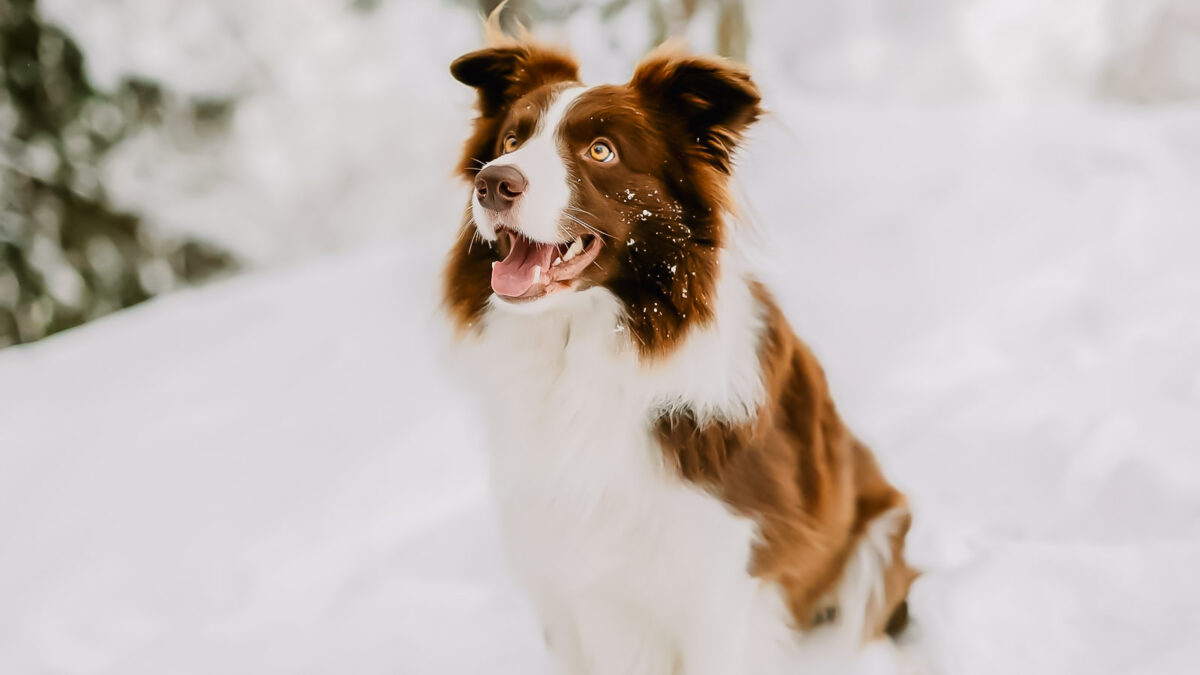
Border Collies bring intense attentiveness into every environment they enter. Their herding instincts translate into monitoring movement, anticipating behavior and responding quickly to perceived changes. That awareness can look protective, especially in unfamiliar settings. Mental stimulation helps channel those instincts into productive outlets rather than constant vigilance.
Australian Shepherd


Australian Shepherds share a similar pattern of affection paired with environmental awareness. They track patterns, learn routines quickly and often position themselves where they can observe activity. That behavior reflects herding roots rather than suspicion, though it can appear protective to outsiders. Training needs to emphasize direction and clarity so their instincts remain helpful. Many owners value how engaged they are with daily life.
Cane Corso

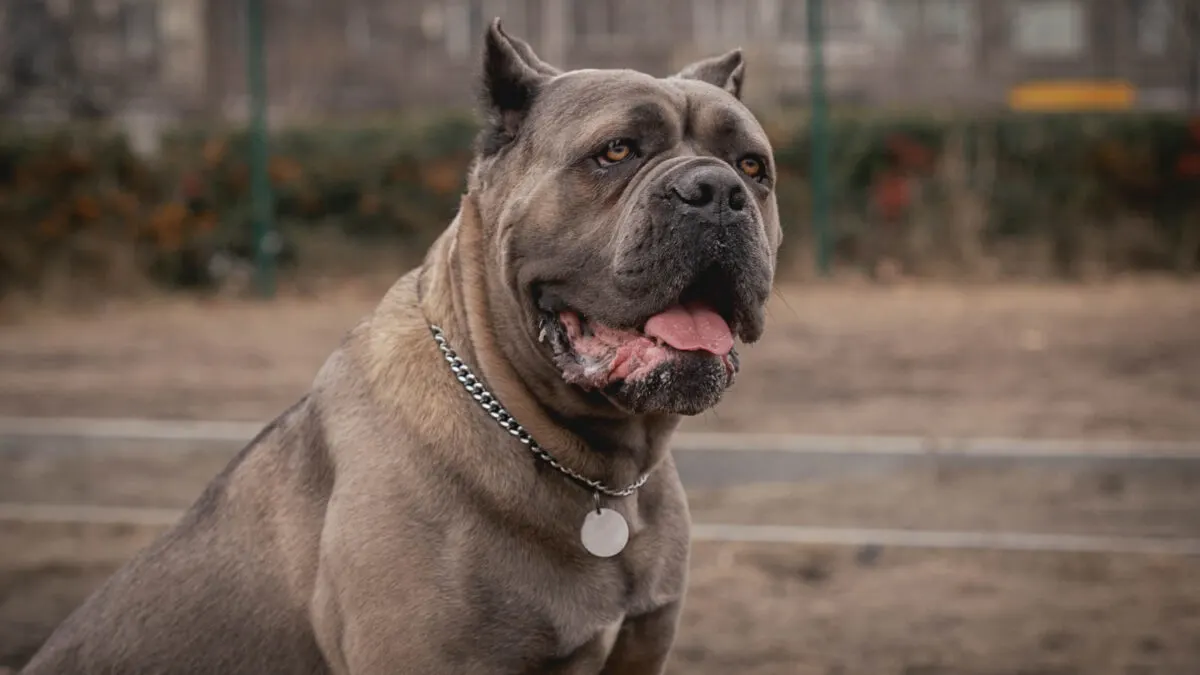
Cane Corsos present warmth within a clearly defined circle of trust. Their guarding history contributes to confidence, deliberation and strong attachment to familiar people. They don’t rush into interaction, preferring to assess situations before responding. Consistent leadership and early exposure shape how that instinct expresses itself over time.
10 Dogs With Protective Instincts You Never Expected


When you think of protective dogs, you probably picture big, tough breeds like German Shepherds or Rottweilers, right? Well, some of the most surprising protectors are the little ones you’d least expect. These dogs may look cute and cuddly, but they’ve got instincts that’ll make them bark at anything they see as a threat. Don’t be fooled by their size or fluffy coats—these pups take guarding their humans seriously.
Read it Here: 10 Dogs With Protective Instincts You Never Expected
10 Breeds Known For Being Overly Protective Of Their Favorite Person


If you’ve ever had a dog that sticks to you like glue and gives side-eye to anyone who gets too close, you know exactly what we’re talking about here. Some dogs take loyalty to a whole new level—they’ll guard you like you’re their most prized possession. Whether they’re blocking the door when someone knocks or keeping a watchful eye on you from across the room, these breeds are the definition of protective.
Read it Here: 10 Breeds Known For Being Overly Protective Of Their Favorite Person