


Many of your dog’s everyday behaviors can be traced back to their wolf ancestors. From how they sleep to how they communicate, these actions were once crucial for survival in the wild. While your dog might now enjoy a cozy bed and regular meals, these instincts still linger.


Howling


Dogs howl to communicate, a behavior inherited from wolves that use howling to mark territory or call pack members. In domestic dogs, howling can mean anything from loneliness to excitement or even responding to high-pitched sounds like sirens.
Pack Sleeping


Sleeping in groups or close proximity comes from wolves’ need for warmth and protection. Even if your dog sleeps at the foot of your bed or cuddles up with other pets, it’s a leftover survival instinct that strengthens bonds within the “pack.”
Circling Before Lying Down


That ritual circling before your dog lies down is a throwback to wolves preparing a safe, comfy spot in the wild by flattening grass or snow. While your dog has a cozy bed, the instinct persists as a nod to their ancestors’ survival habits.
Burying Bones or Toys


Wolves bury food to save it for later and keep it hidden from scavengers. Your dog burying their favorite toy or bone in the backyard is an instinctual behavior passed down, even if they’ll forget where they put it in a few hours.
Resource Guarding


Dogs who protect their food or toys are channeling their wolf ancestors, who guarded resources fiercely to survive. While it’s normal to some degree, teaching boundaries and safety around resource guarding is key in a domestic setting.
Sniffing Trails


A dog’s habit of sniffing every little thing on a walk mirrors wolves tracking prey or navigating their territory. For dogs, it’s more about curiosity and understanding their environment than survival, but the instinct runs deep.
Raising Hackles


When a dog’s fur stands on end, it’s a defensive mechanism inherited from wolves. This reaction makes them appear larger and more intimidating in situations they perceive as threatening or uncertain, even if it’s just the neighbor’s cat.
Marking Territory

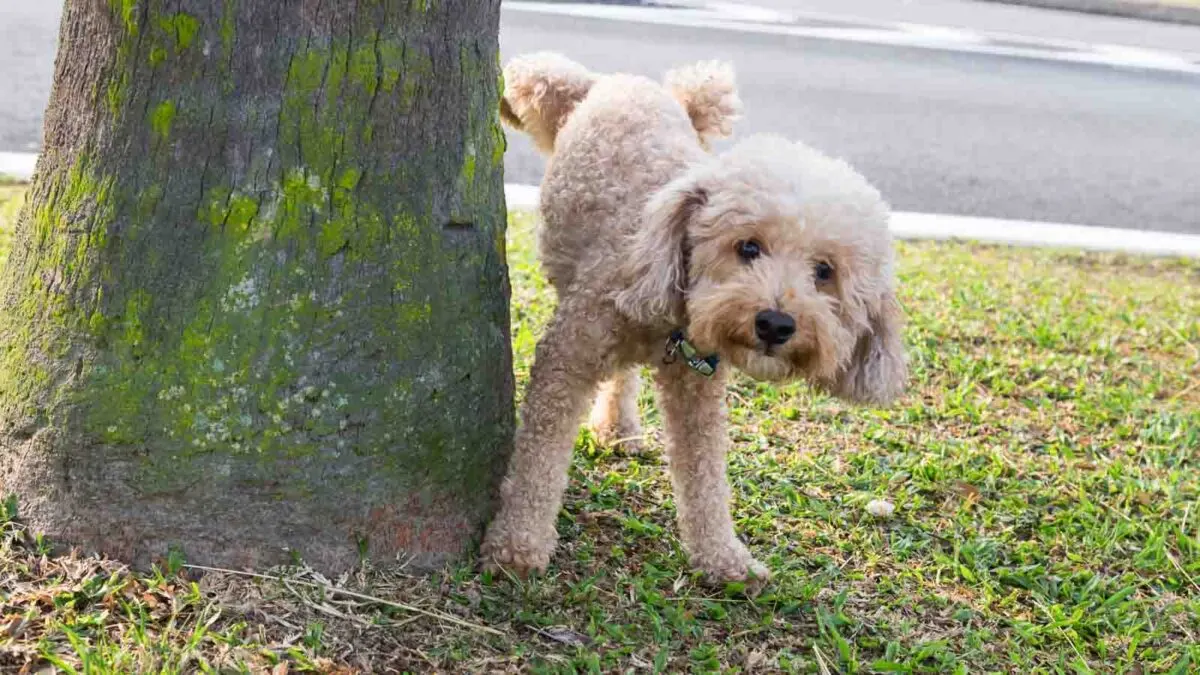
Wolves mark their territory with scent to communicate boundaries, and dogs carry this behavior forward by urinating on posts, trees, or hydrants. It’s their way of leaving a calling card and claiming the area as their own.
Chasing Prey


The urge to chase squirrels, rabbits, or even balls comes from a wolf’s hunting instincts. While dogs don’t rely on chasing prey for survival, the thrill of the chase remains a key part of their behavior and playtime.
Staring at Prey or Objects


Wolves fixate on prey before pouncing, and dogs display this behavior when watching something intensely, whether it’s a moving toy or a bird in the yard. It’s a classic predatory instinct that’s been adapted for play and curiosity.
Growling
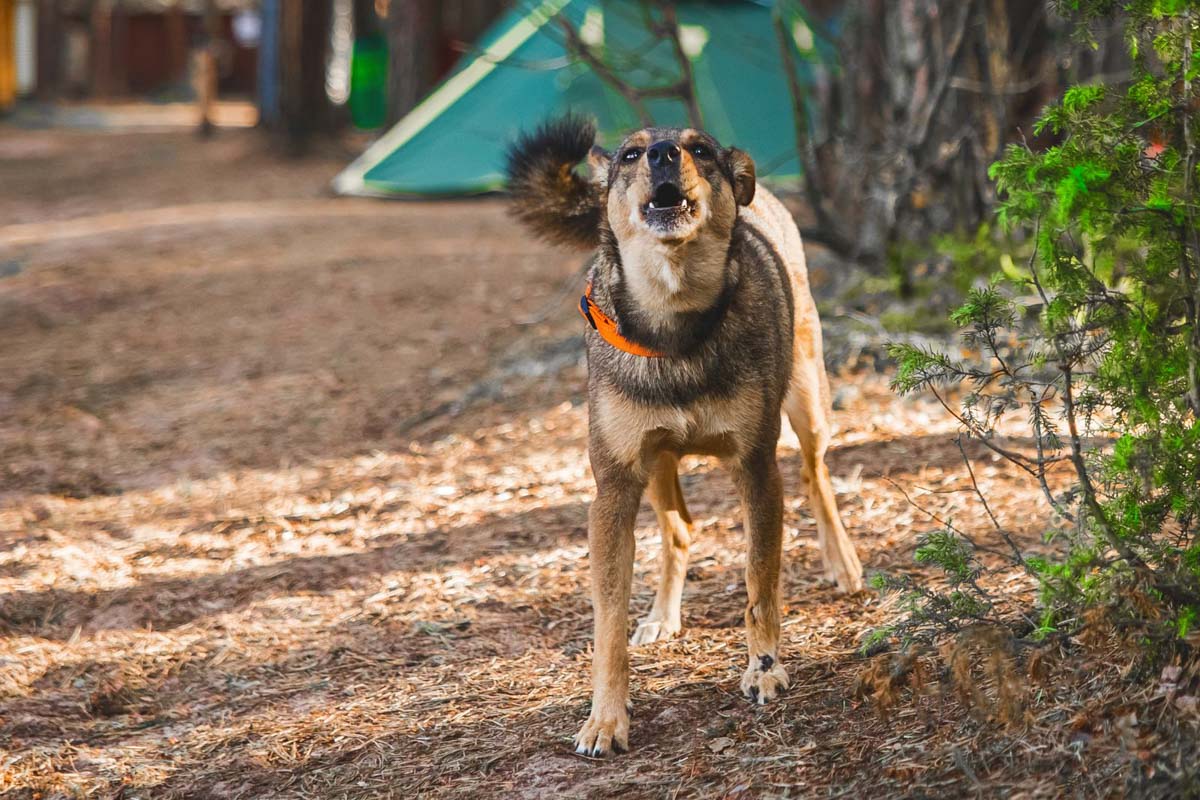

Growling serves as a warning in both wolves and dogs, letting others know to back off or stay away. While dogs may use it to protect food, toys, or themselves, it’s rooted in a wolf’s need to assert dominance or defend against threats.
Carrying Items in Their Mouth


Wolves carry prey back to their pack, and dogs continue this behavior with toys, sticks, or even your shoes. It’s a mix of instinct and showing off their “prize,” a behavior deeply connected to their wolf lineage.
Digging


Whether it’s to create a cool spot to rest or simply for fun, digging is an instinct passed down from wolves, who dig to create dens or bury food. Even if it drives you crazy, your dog is just following an ancient instinct.
Coordinated Play


Dogs’ play behavior, like chasing and wrestling, mirrors wolves’ pack interactions that teach social skills and hunting techniques. Play is how dogs bond with humans and other animals, a less survival-driven but equally important part of their nature.
Vocal Communication


Dogs bark, whine, and yip in ways wolves don’t, but the use of sound for communication is inherited. Wolves rely on howls and growls, while dogs have adapted their vocalizations to interact more effectively with humans while still keeping some ancestral roots intact.
12 Domestic Dogs That Could Be Mistaken for Wolves


There’s no denying the ancestry when it comes to these dogs. With their wild looks and majestic presence, these breeds could easily be mistaken for their wolf ancestors. From thick, double coats to piercing eyes, these dogs possess features that make them look like they just stepped out of the wild.
Read it Here: 12 Domestic Dogs That Could Be Mistaken for Wolves
10 Dog Behaviors That Make No Sense To Humans


Living with a dog means accepting a world of quirky and downright baffling behaviors. From random zoomies to obsessive tail-chasing, dogs have a knack for keeping us entertained and confused in equal measure. Ever wondered why your pup decides to munch on grass like a cow or suddenly starts barking at thin air? You’re not alone. These oddball antics are just part of the package when you share your life with a canine companion.
Read it Here: 10 Dog Behaviors That Make No Sense To Humans
*Select images provided by Depositphotos.