


Dogs are smart, but even they can’t make sense of human unpredictability sometimes. We might think we’re being clear, but our habits and routines can leave them scratching their heads—or tilting them, at least. They rely on consistency and straightforward cues to figure out what we’re asking for, but we often make things unnecessarily complicated. The result? A lot of confused stares and missed connections. Understanding how our behavior impacts them can make life easier for both you and your four-legged friend.


Using Inconsistent Commands


Dogs rely on repetition to learn commands, so switching between phrases like “Come here” and “Here, boy” for the same action leaves them unsure of what to do. Consistency in words and tone helps them link the command to the desired behavior.
Changing the Rules


Allowing your dog on the couch one day and scolding them for it the next confuses them about boundaries. Dogs thrive when rules are clear and consistent. Mixed messages make it hard for them to understand what is expected.
Using Too Many Words
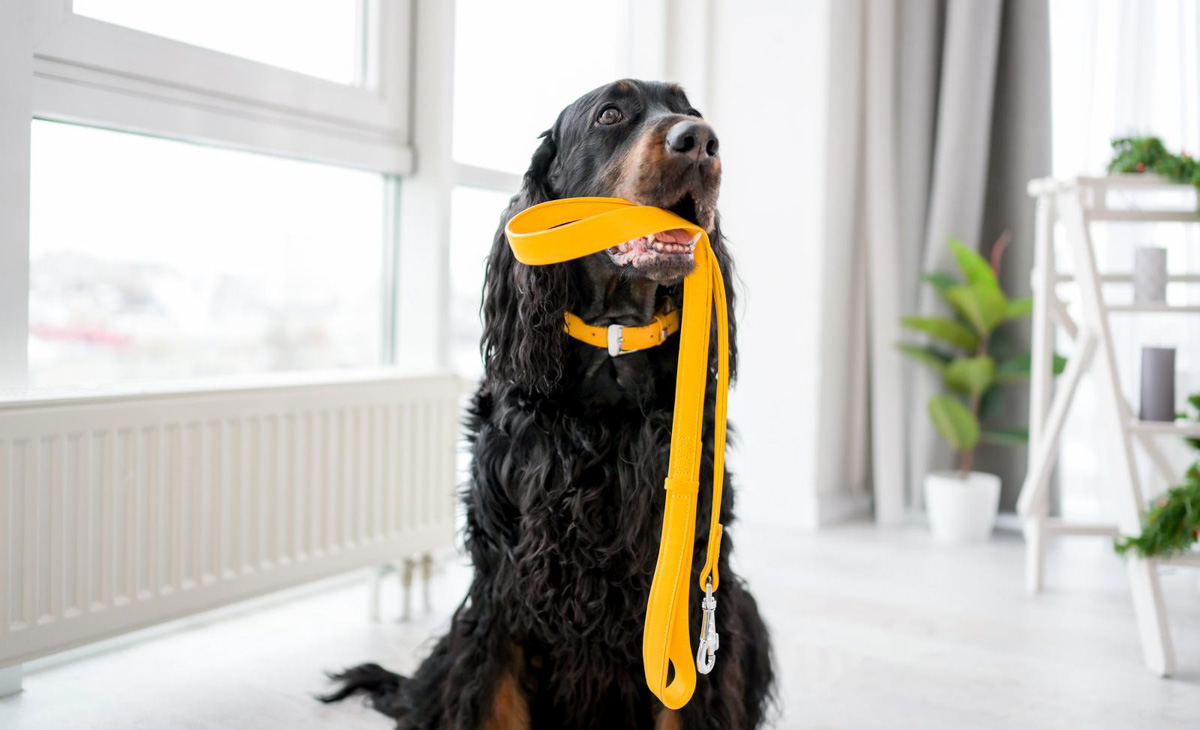

Dogs process short commands, not full sentences. Saying, “We’re going outside because it’s nice out” won’t make sense to them. A simple “Outside” or “Let’s go” is easier for them to associate with the action.
Inconsistent Reactions


Laughing at their jumping one day and reprimanding them the next teaches nothing. Dogs learn from consistent responses, so if a behavior isn’t acceptable, it’s important to address it the same way every time.
Overwhelming Them with Too Many Signals


Clapping, calling their name, and waving at the same time can overwhelm your dog. They respond best to single, clear cues. Using too many at once can confuse them and make it harder for them to understand what you’re asking.
Punishing After the Fact


Scolding your dog for chewing a shoe hours later doesn’t work. Dogs live in the moment and associate actions with immediate outcomes. Punishment only works if it’s directly tied to the action, like catching them mid-chew.
Ignoring Their Body Language


Dogs show stress or discomfort through signals like licking their lips, yawning, or avoiding eye contact. Ignoring these signs leaves them feeling unheard and can escalate their anxiety. Paying attention helps you respond to their needs.
Being Unpredictable with Schedules
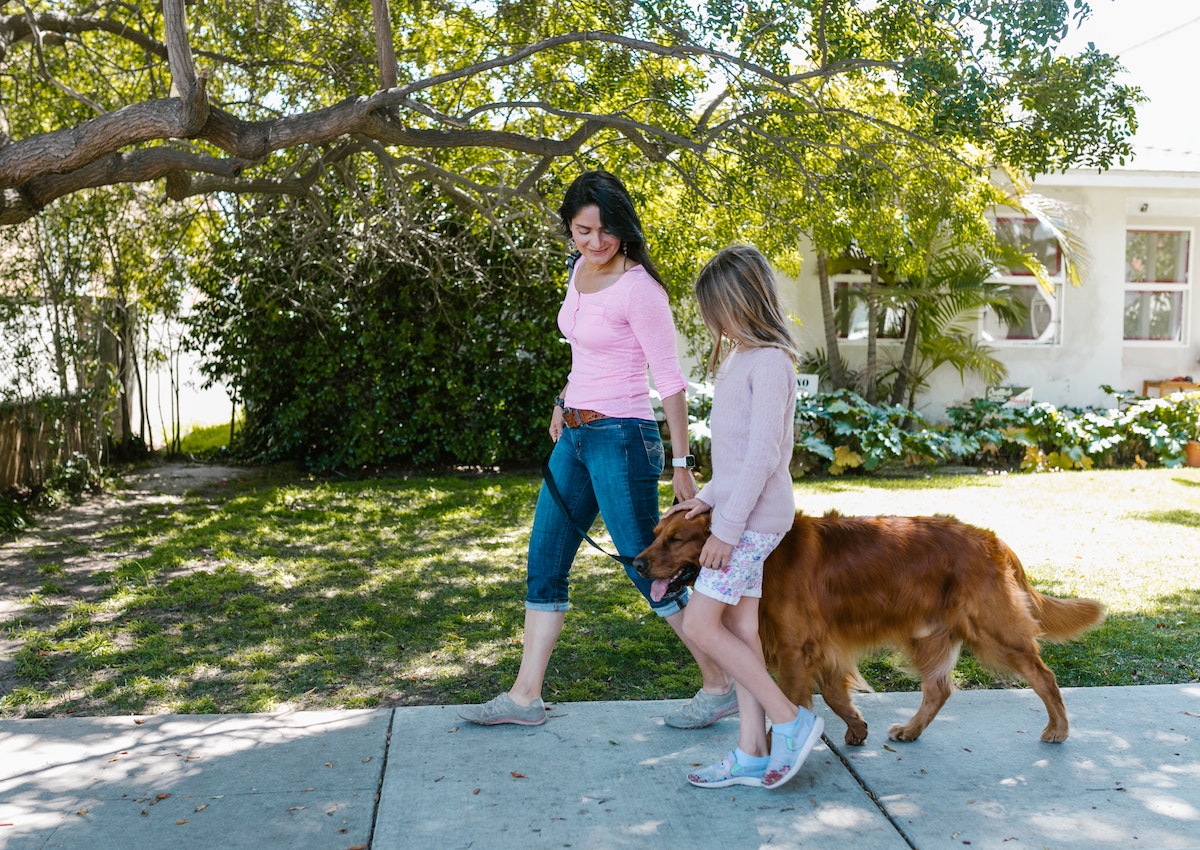
Dogs rely on routine to feel secure. Feeding or walking them at inconsistent times can make them anxious or restless. Sticking to a predictable schedule gives them a sense of stability and helps them relax throughout the day.
Not Letting Them Sniff on Walks


Sniffing is how dogs explore their world and gather information. Pulling them along or rushing a walk deprives them of their natural instincts and can lead to frustration. Allowing them time to sniff is essential for their mental health.
Ignoring Training Reinforcement


Training isn’t a one-and-done task. Stopping reinforcement after they learn a behavior can cause them to forget it. Regular practice helps them maintain skills and ensures they know what behaviors are still expected.
Overloading Them with Affection


Hugging or petting them constantly, especially when they’re resting, can be overstimulating. Dogs enjoy affection on their terms, and too much at the wrong time can leave them feeling unsure about how to respond.
Using Negative Energy


Yelling or showing frustration during training confuses your dog and can damage their trust. They don’t understand anger the way humans do. Positive reinforcement works better to encourage learning and build a stronger bond.
Expecting Them to Understand Your World


Dogs don’t instinctively know not to bark at the mailman or chase squirrels. Without training, they don’t understand human expectations, so patience and guidance are necessary to help them navigate your world successfully.
9 Ways You’re Unknowingly Making Your Dog Anxious


Many dog owners don’t realize that some everyday habits can make their pets anxious. Inconsistent routines, lack of exercise, and too much alone time are just a few things that can stress your dog out. Understanding these common triggers can help you create a calmer, happier environment for your dog.
Read it Here: 9 Ways You’re Unknowingly Making Your Dog Anxious
12 Signs Your Dog Is the Boss of You & Your House


Ever feel like your dog is running the show at home? You’re not alone! Many of us have pups who’ve taken over our lives in the most adorable ways. They’ve got us wrapped around their paws, dictating our schedules and stealing our best spots. If you’re starting to think your dog might be the real boss of the house, here are some of the tell-tale signs .
Read it Here: 12 Signs Your Dog Is the Boss of You & Your House