
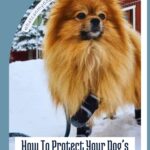
Winter walks can be great for burning energy and breaking up long days inside, but they’re tough on your dog’s feet. Snow packs between toes, salt dries out paw pads, and icy surfaces can cause small injuries you might not notice right away. Most dogs won’t slow down or complain, which makes it easy to miss the early signs of irritation. A little prevention and a simple post walk routine can keep small issues from turning into painful problems for your pup.


Using protective booties for harsh conditions


Booties create a physical barrier between your dog’s paws and snow, ice, and chemical deicers. That protection matters most on heavily treated sidewalks where salt can burn or crack paw pads. Many dogs resist booties at first, so introducing them indoors with short wear sessions helps them adjust. Look for waterproof materials, flexible soles, and secure closures that won’t slip off mid walk. Once your dog gets used to them, booties can dramatically reduce irritation and cleanup.
Wiping paws every time you come inside


A quick wipe removes salt residue, ice melt chemicals, and small debris before they cause irritation. Pay attention to the spaces between toes where buildup tends to hide. Keeping a towel or pet safe wipes near the door makes this habit easier to stick with. Consistency matters more than perfection here. Regular wiping also prevents dogs from licking harmful substances off their feet later.
Keeping hair between paw pads trimmed


Long fur between paw pads traps snow and forms painful ice balls that pull on the skin. Trimming that hair flush with the pads reduces buildup and improves traction on slippery surfaces. You don’t need a full grooming session, just regular maintenance. If you’re unsure how short to go, a groomer can show you once and you can maintain it at home. This small step makes winter walks noticeably more comfortable for many dogs.
Using paw balm to prevent dryness and cracking


Cold air and salt strip moisture from paw pads, which leads to rough texture, splitting, and sensitivity. A dog safe balm restores hydration and creates a protective layer. Applying it after cleaning paws helps it absorb better and work longer. Dogs that walk frequently on pavement benefit the most from consistent use. Healthy paw pads are more resilient and less likely to develop painful fissures.
Checking paws for small injuries after walks


Dogs often keep moving even when something hurts, so visual checks are important. Look for redness, tiny cuts, cracks, or debris stuck between toes. Early detection keeps minor irritation from becoming infections. Warm water rinses and basic antiseptic care handle many small issues at home. If limping or swelling appears, that’s a signal to pause outdoor time and consult your vet.
Avoiding heavily salted routes when possible


Route choice makes a bigger difference than most people realize. Side streets, trails, and grassy edges usually expose paws to fewer chemicals than main sidewalks and parking lots. Planning safer paths reduces how much protection you need later. When you can’t avoid salt, rinsing paws immediately becomes more important. Small adjustments in where you walk add up over an entire winter.
Rinsing paws with warm water when wiping isn’t enough


Some residue doesn’t come off with a dry wipe, especially when slush mixes with salt. A quick warm rinse dissolves buildup and flushes out debris. Drying thoroughly afterward prevents chill and skin irritation. This routine works well for dogs that refuse booties but still need consistent care. Pairing rinses with balm creates a simple but effective system.
Using paw cleaning cups for faster cleanup


Paw cleaning cups provide a contained way to wash feet without making a mess. The soft interior bristles help remove salt and dirt from between pads more thoroughly than wiping alone. They’re useful for multi dog households or muddy winter days when cleanup happens repeatedly. Keeping one by the entryway turns paw care into a quick routine instead of a chore. Convenience increases consistency.
Applying paw wax before heading outside


Paw wax works as a preventative barrier rather than a repair step. Applied before walks, it reduces direct contact with salt and helps prevent ice buildup. It also improves traction on slick surfaces. Reapplication may be needed for longer outings or very wet conditions. For dogs that won’t tolerate booties, wax is often the next best option.
Shortening walks during extreme cold


Even well protected paws can struggle in severe temperatures. Signs like lifting feet, slowing down, or limping signal discomfort. Shorter, more frequent outings reduce exposure while still meeting exercise needs. Indoor enrichment can fill the gap on the coldest days. Protecting paws sometimes means adjusting expectations rather than pushing through routine.
Encouraging safer walking surfaces like grass or packed snow


Grass and natural snow surfaces are usually less abrasive than salted pavement. Teaching your dog to follow those paths reduces chemical exposure without adding extra gear. Using treats or praise helps reinforce the habit. Over time many dogs naturally choose softer surfaces when given the option. Small behavioral shifts can protect paws as effectively as equipment.
Keeping towels and absorbent mats near entry points


Preparation makes consistency realistic. Having towels, mats, and cleaning tools ready prevents salt and slush from spreading through your home and sitting on your dog’s skin. Absorbent mats also give dogs a place to pause while you clean their feet. This reduces slipping indoors and makes post walk care feel routine instead of reactive. Good setup removes friction from daily maintenance.
10 Hacks for Keeping Your Dog’s Paws Clean After Walks


Every time your dog comes back from a walk, they bring along dirt, grime, and potentially harmful bacteria. Their paws pick up all kinds of environmental debris, from chemicals on sidewalks to mud from parks. Dogs love exploring, but their paws can be little carriers for things you’d rather not have indoors, making regular cleaning a must for a cleaner, safer environment for both you and your pet.
Read it Here: 10 Hacks for Keeping Your Dog’s Paws Clean After Walks
13 Dogs That Are Not Cut Out For Cold Winter Climates


Just like people, some dogs love the cold, while others would rather skip winter altogether. Some breeds are like those friends who’d happily trade snowflakes for a tropical beach or a cozy spot by the fireplace. These dogs aren’t built for icy weather—whether it’s due to their thin coats, smaller size, or lack of body fat, they feel the chill fast. If you’re in a colder climate and thinking of bringing one of these breeds home, be ready for some serious bundling up.
Read it Here: 13 Dogs That Are Not Cut Out For Cold Winter Climates