


Dogs and water: a love-hate relationship as old as time. Some pups are all about cannonballing into lakes, while others treat a puddle like it’s lava. It’s one of those mysteries that makes owning a dog endlessly entertaining—and sometimes a little baffling. But there’s always more going on than meets the eye with our four-legged friends.


Breed Instincts


Dogs like retrievers and Newfoundlands have water-loving genes thanks to their history of aiding in hunting or rescue missions. In contrast, breeds such as bulldogs or greyhounds, with bodies less suited for buoyancy, often shy away from water. Their instincts reflect the environments their ancestors adapted to over centuries.
Early Exposure


Puppies exposed to water through positive, fun experiences are more likely to enjoy swimming as adults. Without this early introduction, water can feel like a strange and overwhelming element. A pup who paddles in a kiddie pool early on is less likely to fear larger bodies of water later.
Coat and Body Type
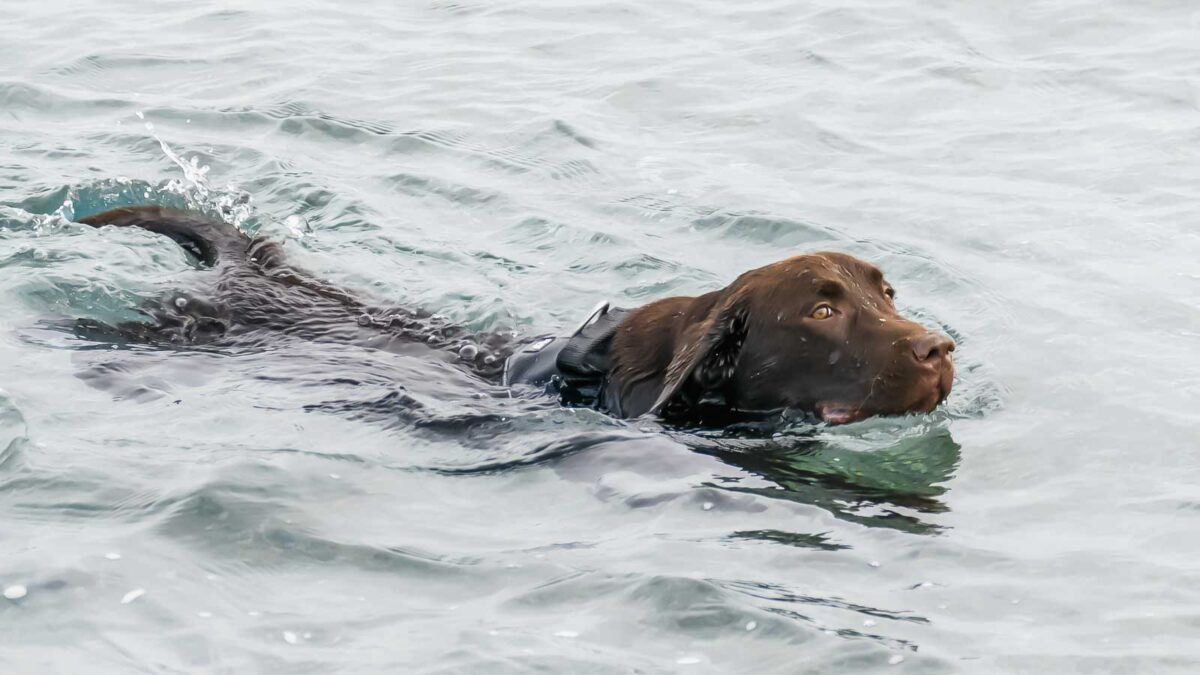

Thick, water-resistant coats and strong bodies make dogs like Labradors excellent swimmers. On the other hand, thin-coated breeds like Chihuahuas or dachshunds may struggle with cold water exposure and are less inclined to jump in for a swim.
Fear of the Unknown


For dogs unfamiliar with water, it can seem mysterious and threatening. Reflections, ripples, or the inability to gauge its depth can trigger their natural caution. A wary dog may avoid water simply because it’s not part of their comfort zone.
Traumatic Experiences


A single negative incident, such as being pushed into water or slipping on a wet surface, can make dogs wary for life. Even something as minor as getting splashed unexpectedly can cause hesitation, especially if it wasn’t handled calmly.
Natural Curiosity


Some dogs approach water with an adventurous spirit, eager to sniff, splash, or play. Others, with a more cautious or reserved temperament, may prefer to sit back and observe rather than dive in.
Temperature Sensitivity


Cold-sensitive dogs like whippets might avoid water entirely unless it’s warm, while breeds such as Alaskan malamutes may dive right in to cool off. Their reaction often depends on how well their body can handle temperature extremes.
Social Learning


Dogs often mirror what they see. A water-loving owner or a playful, splashing packmate can encourage timid dogs to join in. Conversely, if they sense hesitation or fear from others, they might follow suit and steer clear.
Exercise Preferences


Energetic, adventurous dogs like border collies often see swimming as a fun way to burn off energy. Dogs who prefer lounging or slower-paced activities might skip the water entirely in favor of dry land fun.
Evolutionary History


Dogs descended from breeds that lived near water, such as spaniels or poodles, often retain an affinity for swimming. Meanwhile, those with roots in desert or mountainous areas, like Afghan hounds, evolved without water as a daily necessity and are less likely to take to it naturally.
These 10 Dog Breeds Are Born to Swim


Dogs are known for their diverse skills, and some of them are true water enthusiasts. Whether they’re diving into lakes, swimming in the ocean, or just splashing around in the pool, certain breeds are natural-born swimmers. Take a look at ten dog breeds that absolutely love the water and are amazing swimmers. If water sports are a love of yours, one of these breeds might be your new best friend.
Read it Here: These 10 Dog Breeds Are Born to Swim
13 Dogs That Would Rather Skip The Doggy Paddle And Stay Dry


Not all dogs are natural swimmers, and some would do anything to avoid getting wet. While certain breeds are all about the water, others act like it’s their worst nightmare. If you’re imagining a fun day at the lake with your dog splashing around, think again—these pups would rather keep their paws dry and avoid the doggy paddle altogether.
Read it Here: 13 Dogs That Would Rather Skip The Doggy Paddle And Stay Dry
*Select images provided by Depositphotos.