


Most dog owners think a wagging tail always signals happiness, but tails are more complicated than that. The way your dog moves their tail can show excitement, stress, or even a warning to back off. Speed, height, and direction all matter and can completely change what the wag is saying. Learning to read those details helps you understand what your dog really feels instead of guessing. It also makes everyday life together smoother, from greeting guests to handling walks and playtime.


Low and fast wag


A tail moving quickly but held low to the ground might look like a happy dance, but it usually signals unease. Dogs in this posture are often trying to avoid conflict or show that they are not a threat. You might notice lowered ears, a slightly crouched stance, or hesitant movement alongside this wag. Offering space and speaking softly helps them feel secure and lets them decide when they are ready to engage. This careful response can prevent unnecessary stress and builds trust over time.
Tucked tail with movement


A tail tucked tightly between the legs but still wagging is a classic sign of anxiety. The wag does not indicate excitement but rather nervous energy, similar to how a person might laugh when uncomfortable. Dogs may show this when meeting unfamiliar animals, during thunderstorms, or in noisy environments. Kneeling to their level, keeping your voice calm, and removing obvious stressors help them feel safe. Over time, positive experiences can reduce how often this nervous wag appears.
Stiff, deliberate wag


A tail held straight and moving slowly from side to side is a signal of alertness and potential dominance. Dogs display this when they are sizing up a new situation or deciding whether to assert themselves. Their body may be rigid, their gaze fixed, and their movements calculated. This is not the moment for rough play or fast gestures. Allowing the dog to observe and settle on their own prevents tension and gives them the chance to relax without feeling challenged.
Wagging more to the left


The direction of a wag carries meaning too. Studies show that when a tail favors the left, dogs are more likely feeling cautious or stressed. You may see this when a stranger approaches or when they encounter an unfamiliar object. Instead of coaxing them forward, stand nearby and let them evaluate the situation. Giving them control of the pace builds confidence and helps them learn that new experiences do not always require fear or retreat.
Full circle wag


When a dog swings their tail in wide, circular motions it is easy to think pure joy, and often it is. Yet it also signals a high level of excitement that can quickly shift into over-arousal. Dogs in this state may jump, spin, or race around without much awareness of their surroundings. Channeling this burst of energy into a structured game, like fetch or a brief training session, keeps it fun and safe. Recognizing when excitement tips toward chaos helps prevent accidents or rough behavior.
Very slow wag


A slow, steady wag is not the relaxed sign many people expect. It often shows a dog that is undecided or cautious about a situation. They may be reading a new environment, another dog, or even your own mood before making a choice. Their posture is usually still and thoughtful, with ears slightly back and eyes alert. Give them time to gather information and resist the urge to rush interaction. Patience here tells your dog that you respect their need to assess first and act later.
Wagging while barking


A wag paired with barking is commonly misunderstood as friendliness, but it more often means a dog is worked up. They might be guarding their home, meeting an unfamiliar animal, or reacting to a loud sound. The bark is a clear sign that they are on alert and possibly uneasy. In these moments, staying calm and redirecting their attention to a command or a quiet space helps lower their arousal level. Reading the rest of their body language is crucial before approaching.
Wagging while growling
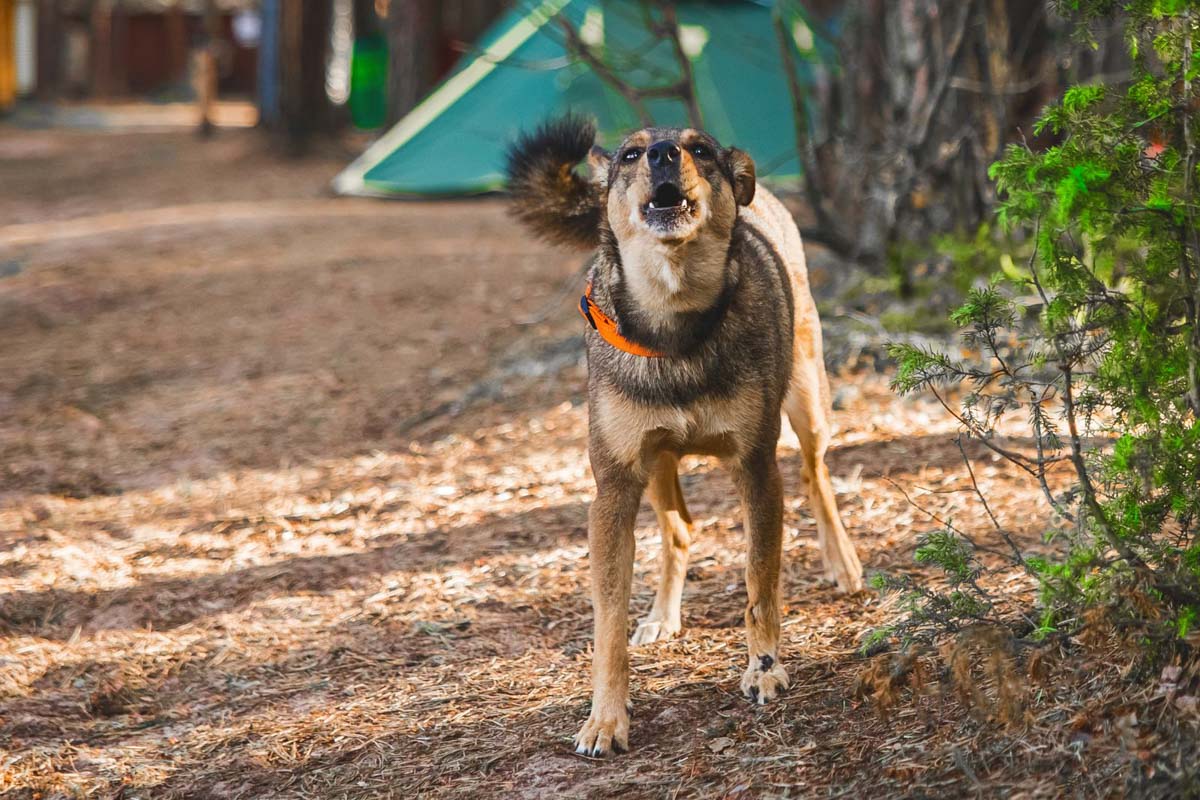

A tail that wags while the dog growls is a direct warning. They feel threatened or defensive and want distance. The movement of the tail signals heightened emotion, not joy. Approaching or trying to soothe physically at this point can make the situation worse. Instead, remain calm, avoid sudden movement, and give them room to retreat or calm down. Over time, identifying what triggers this response helps reduce stress and potential conflicts.
High and firm wag


A tail carried high and wagging in a tight, deliberate motion shows confidence and sometimes dominance. This is common during meetings with other dogs or when something new enters their territory. They may stand tall, ears forward, and eyes focused. This is not aggression by itself, but it is a sign that they feel in charge and are setting boundaries. Keeping greetings controlled and positive supports good manners without undermining their sense of security.
Wagging while avoiding eye contact


When a dog wags but deliberately turns their head or avoids eye contact, they are signaling submission or guilt. It often happens after they know they have broken a rule or when they sense tension. The wag communicates a desire to keep the peace rather than to play. Responding with gentle reassurance instead of punishment helps maintain trust and teaches them that coming to you is always safe. This quiet communication is easy to miss but important for a respectful bond.
Is Your Dog Happy? 12 Signs Of A Happy Dog


Dogs have their own unique language for telling us how they feel, and when they’re happy, it’s impossible to miss. From playful antics to those quiet moments where they just lean into you, dogs have a way of letting us know when life is good.Dogs have their own unique language for showing us how they feel, and when they’re happy, it’s usually pretty clear.
But what exactly does happiness look like in dogs? Dog behavior can be complex, and sometimes it’s hard to tell if your pup is feeling on top of the world or just having an off day. According to experts, while “happy dogs look happy,” understanding those signs often depends on knowing your dog’s personality. After all, you’re the one who knows them best. Whether it’s those wild zoomies around the house or a simple contented sigh, recognizing the signs of happiness in your dog can help you ensure they’re living their best life.
Read it Here: Is Your Dog Happy? 12 Signs Of A Happy Dog
12 Dog Breeds with the Funniest Tails

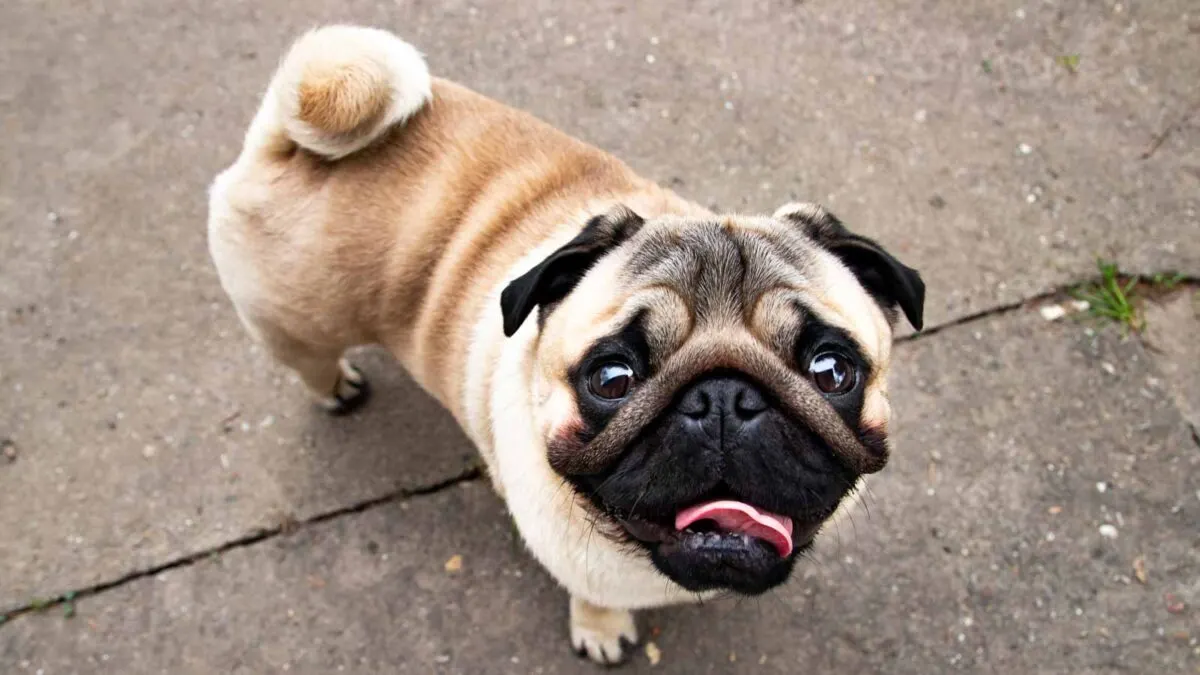
Some dogs just have tails that are pure comedy gold. These wagging wonders add so much character to our furry friends, you can’t help but laugh. Check out these dogs with tails that twist, curl and fluff in the most amusing ways and enjoy a lineup of pups whose tails are as entertaining as they are.
Read it Here: 12 Dog Breeds with the Funniest Tails