


Some dogs greet every command with wagging tails, while others meet it with a stare that dares you to insist. Breeds with strong opinions and independent streaks can turn simple training into a daily test of patience. Living with one takes steady guidance and a sense of humor because they like to call the shots. Understanding their temperament from the start helps you build respect on both sides and keeps life with a headstrong dog manageable and rewarding.


Chow Chow


The chow chow is often compared to a cat because of its independent and aloof personality. They like affection only on their terms and can be wary of strangers, which makes early socialization essential. Training takes patience because they prefer to do things their way and will challenge an owner who is not consistent. This combination of independence and territorial instinct can frustrate anyone expecting a constantly affectionate companion.
Shiba Inu

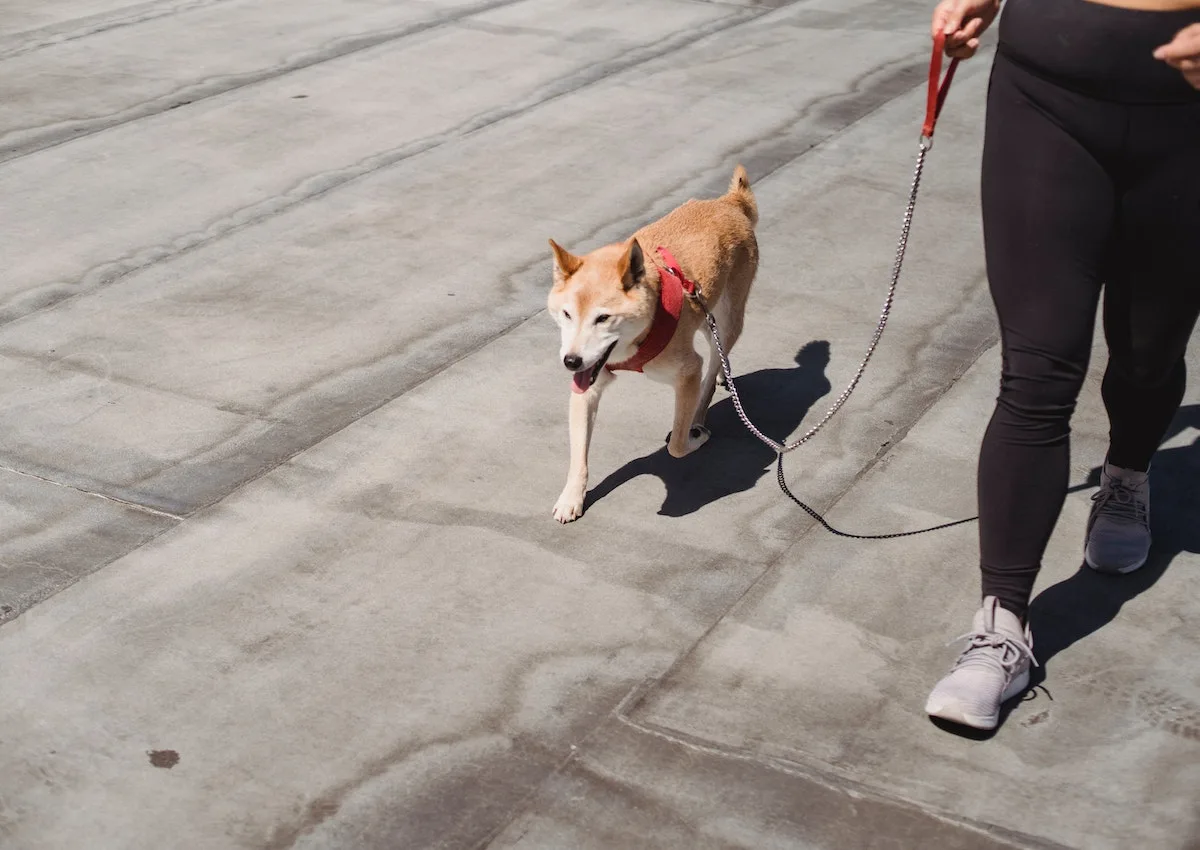
Shiba inus are smart and quick but have a mind of their own. They are famous for ignoring commands when something more interesting catches their attention. Their strong sense of independence means they may not be eager to cuddle or stay close, even with people they know well. Successful training depends on steady routines and a lot of persistence, since these dogs will happily test limits.
Jack Russell Terrier


Jack russells pack endless energy into a small body and need more activity than many first-time owners expect. Without long walks, play, and mental challenges, they quickly invent their own entertainment. That can mean digging in the yard, stealing laundry, or barking for attention. Their sharp intelligence makes them great problem solvers, but it also means they resist repetitive training and can act as if the rules do not apply to them.
Dachshund


Beneath the dachshund’s charming look is a bold and sometimes defiant dog. They are known to be territorial around toys and food and will not hesitate to stand up to much larger animals. Training can be slow because they are strong-willed and easily distracted by scents that trigger their hunting instincts. They thrive with firm, consistent guidance and regular outlets for their natural drive to dig and explore.
Shar Pei


Shar peis are calm and loyal with their families but keep strangers at a distance. They have a natural suspicion of new people and situations, which can make socialization more challenging. Their independent streak means they may refuse commands if they see no reason to comply. Building trust through positive experiences is key to managing their strong personality and keeping them well-mannered.
Akita


Akitas are deeply devoted to their household but often indifferent or even unfriendly toward outsiders. They are strong and self-assured, which can translate into resistance when asked to follow commands. Training requires early structure and confident handling so they learn clear boundaries. Without it, their territorial nature and independent mindset can lead to conflicts with other dogs and visitors.
Basenji


Known as the barkless dog, the basenji still communicates plenty with yodels, howls, and stubborn silence. They love to roam and can escape from yards that are not carefully secured. Their curiosity and independence mean they rarely stay put when something captures their interest. Owners need patience and secure fencing to manage a breed that prefers to lead rather than follow.
Miniature Schnauzer


This small breed carries a large personality and is quick to let everyone know when something is happening. Miniature schnauzers can be territorial and vocal, announcing visitors long before the doorbell rings. They like to be in charge and need consistent training to keep their bossy side in check. With steady guidance, they can be affectionate companions, but without it they will happily run the household.
Weimaraner


Weimaraners are athletic and highly social dogs that dislike being left alone. Without enough exercise and human interaction, they may bark, whine, or jump to demand attention. Their need for activity and closeness can feel overwhelming for a busy owner. Meeting their physical and mental needs every day is the best way to keep their intensity from turning into misbehavior.
Chihuahua


Chihuahuas are tiny in size but full of confidence and can be quick to challenge larger dogs. They form strong attachments to their favorite person and may guard that relationship fiercely. Their frequent barking and bold attitude require early socialization and steady training. When guided with patience and consistency, they can be loving companions, but their strong will often surprises people expecting an easy lap dog.
12 Dogs That Are A Disaster Waiting To Happen Around Kids


When it comes to choosing a dog for a family with kids, safety is a top priority. Some breeds, despite their charm, can be too risky to have around young children. From strong guarding instincts to unpredictable behavior, these dog breeds might not be the best choice for a household with kids. Of course, each dog is different and there are always exceptions, but better to play it safe than sorry!
Read it Here: 12 Dogs That Are A Disaster Waiting To Happen Around Kids
12 Dog Breeds That Shouldn’t Be Left Alone for Long Periods


Leaving your dog at home alone can be stressful for both of you, but for some breeds, it’s more than just a minor inconvenience. These dogs can experience severe anxiety, destructive behaviors, and emotional distress when left without companionship for extended periods. If you’re away from home for long periods of time, it’s crucial to choose a breed that can handle solitude. Here are some that are probably best to avoid.
Read it Here: 12 Dog Breeds That Shouldn’t Be Left Alone for Long Periods
*Select images provided by Depositphotos.