


You put in the effort to teach your dog commands, yet they act like the rules don’t apply to them. More often than not, it’s not about stubbornness at all. The real issue usually comes from small mistakes that slip into training without you realizing it. These habits can undo your hard work and confuse your dog, making progress feel impossible.
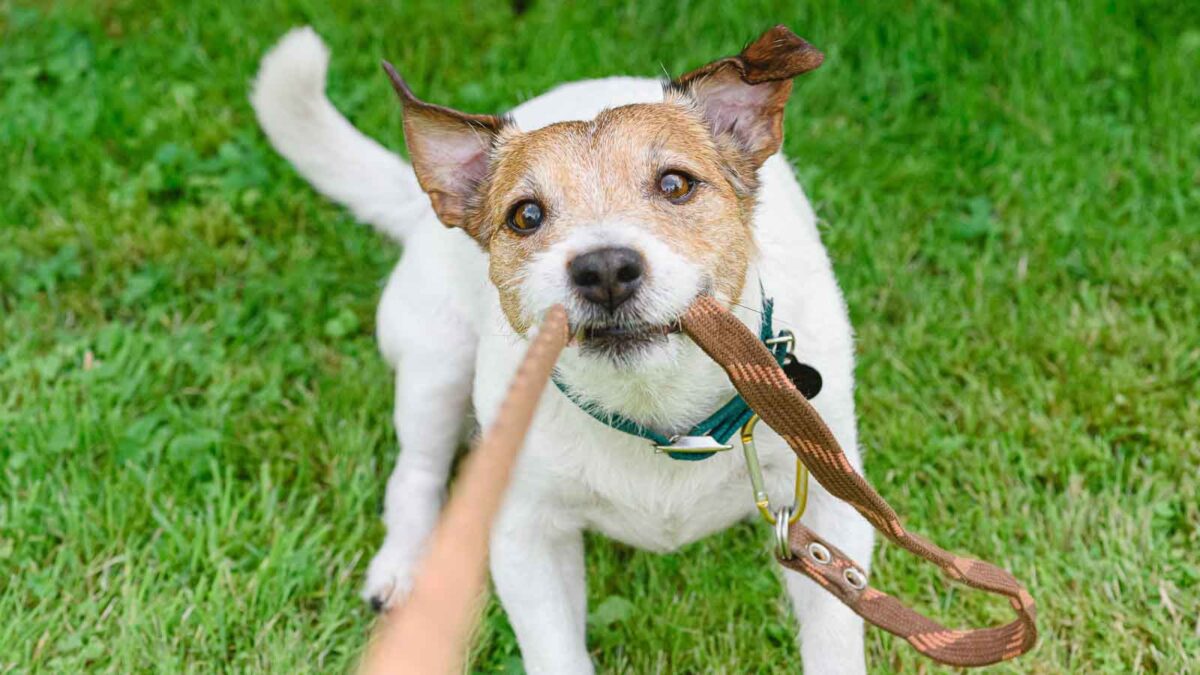

Changing up commands too often


If one day you say “down” and the next you switch to “off,” your dog has no idea what you want. Dogs rely on consistency, and when the language keeps changing they just tune out. Stick to one command for each action and make sure the whole household uses it the same way.
Forgetting to reinforce good behavior


Training isn’t a box you check once. If you’re not rewarding the behavior you want, your dog may assume it’s no longer required. Positive reinforcement keeps lessons clear and helps your dog know what’s worth repeating, so keep the rewards flowing until the habit really sticks.
Expecting focus in chaotic settings


Trying to train at the dog park or when squirrels are running around is setting your dog up to fail. Distractions will always win if you haven’t laid the groundwork. Start in a quiet space, build success, and then gradually add in more challenging environments.
Making training boring


If every session drags on with the same routine, your dog’s going to mentally check out. Just like us, they need variety to stay engaged. Keep training short, fun, and different enough each time to hold their attention and actually make them want to participate.
Letting them run the show


Dogs notice when you hesitate or give in. If you’re not confident, they’ll happily claim the role of leader. Training works best when you set the tone with clear, firm commands and follow through every time. When they know you’re in charge, they’re far more likely to listen.
Skipping regular practice


A command learned once doesn’t last forever. Without repetition, even the smartest dog forgets. Training should be part of the daily routine, even if it’s just a few minutes. Those quick refreshers keep skills sharp and make obedience second nature.
Using the wrong tone


Your words matter, but your tone matters more. If you sound playful when you need to be firm, your dog won’t take you seriously. A confident, clear voice makes all the difference. Save the excited chatter for praise after they’ve done what you asked.
Repeating commands nonstop


Saying “sit sit sit sit” only teaches your dog to ignore the word. One clear command is enough. Give them a moment to process, then reward when they follow through. Repeating endlessly just dilutes the meaning and makes them think you don’t really mean it.
Sending mixed signals with body language


Dogs pay more attention to your posture and gestures than your words. If you say “stay” while leaning forward or waving your arms, they’ll read it as an invitation to move. Make sure your body language matches the command so you’re not confusing them.
Rewarding bad behavior without realizing it


Handing out attention when your dog is barking or pawing at you just teaches them to keep doing it. Even scolding can feel like a win to them. If you want the behavior gone, ignore it completely and reward the calm behavior instead.
15 Dogs That Practically Train Themselves


Training a dog can be a challenge, but some breeds make it a whole lot easier. These dogs are smart and eager to please, making them quick learners. Whether you’re a first-time dog owner or just want a pup that’s easy to work with, these breeds will make you feel like a training pro. They range from playful companions to diligent workers, but each is an absolute dream to train and a well-trained pup makes life so much easier.
Read it Here: 15 Dogs That Practically Train Themselves
How To Train A Dog To Walk On A Leash


Training your dog to walk on a leash is essential for day to day life as a dog owner. We’ve all seen people walking down the street being pulled around by their dog. The dog taking the owner for a walk versus the other way around.
Read it Here: How To Train A Dog To Walk On A Leash
*Select images provided by Depositphotos.