


Life with a dog is full of love, but it also comes with moments that make you want to pull your hair out. From the constant noise to the chaos in your living room, some habits can push even the most patient owner to their limit. The right approach can make all the difference and keep your sanity intact while still giving your dog the structure they need.


Excessive Barking


A dog that barks at every noise outside or every passerby can wear down your patience quickly. The trick is to teach them that not every sound needs a reaction. Start by introducing a simple command like “quiet” in calm moments, then use it when the barking starts. Reward them immediately when they stop so they connect the command with silence. Over time, they will understand that calm behavior earns them attention and treats, while endless barking gets them nothing.
Jumping on People


Dogs often leap up because they are brimming with excitement, but it can be startling and even dangerous, especially with children or older adults. Redirect that energy into something safer by teaching your dog to sit as their way of saying hello. Consistency is important, so everyone your dog meets should encourage the sit-and-greet routine. Once they learn that keeping four paws on the floor gets them attention, the jumping habit will fade.
Chewing on Everything


Shoes, furniture, remote controls — if it fits in their mouth, some dogs think it is fair game. Chewing is natural, but it needs structure. Give your dog a steady supply of safe chew toys that can handle their teeth and energy. When they grab something they shouldn’t, calmly replace it with one of their toys and praise them when they stick with it. Over time, they will start to see the difference between your belongings and theirs.
Pulling on the Leash
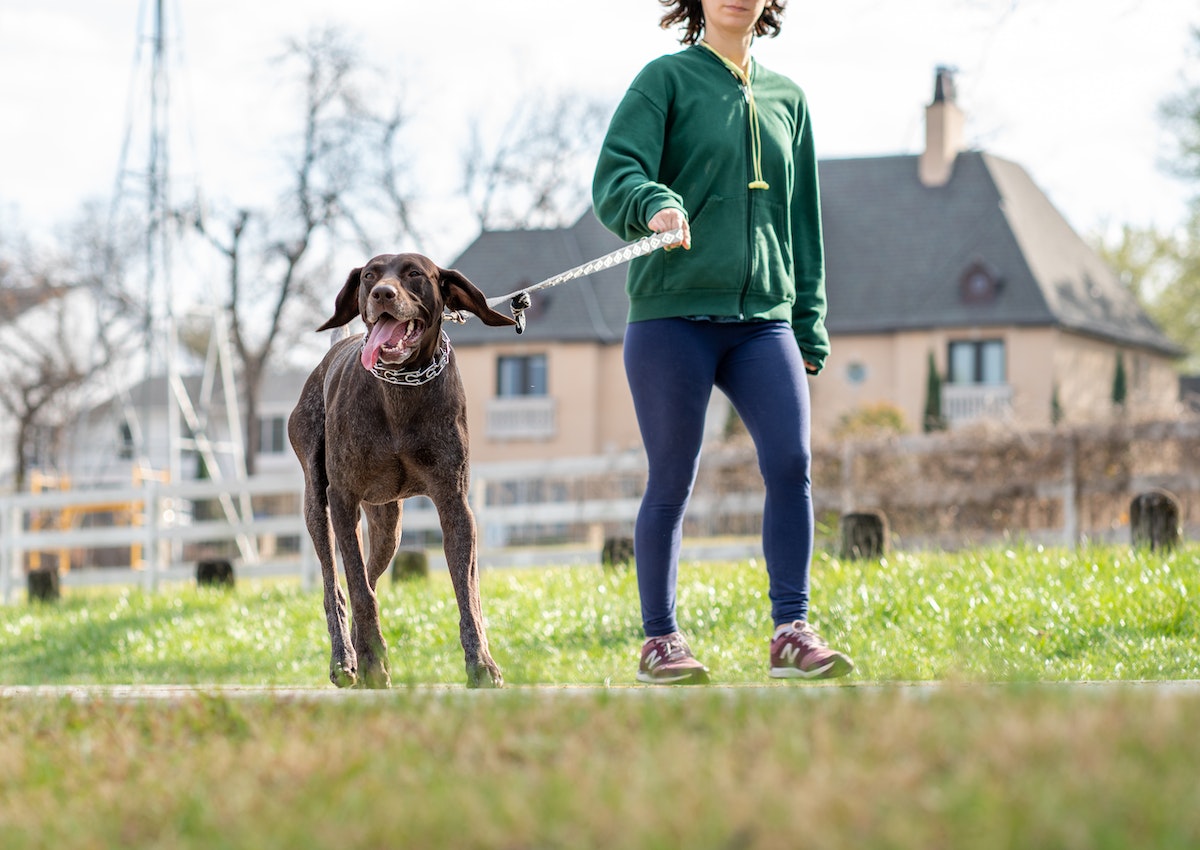

Walks are supposed to be enjoyable, not a tug-of-war. If your dog drags you down the sidewalk, stop moving every time the leash goes tight. Wait for them to return to your side, then continue. It takes patience, but they will learn that pulling only slows them down. Pairing this method with rewarding calm walking at your side makes walks smoother for both of you.
Begging for Food


Those big pleading eyes at the dinner table can be tough to ignore, but giving in just once sets a habit that is hard to undo. Stick to feeding your dog at their scheduled times and resist slipping them scraps. The more consistent you are, the quicker they will realize begging gets them nowhere. You’ll enjoy mealtimes without a furry shadow hovering beside your plate.
Digging Holes Everywhere


For dogs that love to dig, your yard can quickly start to look like a construction site. Instead of trying to stop the behavior entirely, give them an outlet. Create a spot where digging is allowed, such as a sandbox or a corner of the yard. Praise them when they dig in the right place, and fill in any unwanted holes to remove the reward. It channels their instinct into something controlled without destroying your lawn.
Jumping on Furniture


Couches and beds can be tempting spots, but if you don’t want your dog taking over, you need clear boundaries. Provide them with a bed of their own that is comfortable and inviting. Reward them whenever they use it, so they see it as their safe space. If necessary, block off furniture until the habit changes. Over time, they will learn that their spot is just as cozy and much more rewarding.
Ignoring Commands


When your dog seems to blow off your instructions, it usually means training has become boring or the rewards aren’t worth it. Keep sessions short and fun, and use high-value treats that grab their attention. Vary the commands and settings so they stay interested. Dogs respond best when training feels like a game, and consistency builds respect for your voice.
Chasing Cars or Bikes


A dog that bolts after cars, bikes, or joggers is a safety risk to themselves and others. Teaching strong commands like “stay” or “leave it” is essential. Start in low-distraction environments and work your way up, rewarding calm focus each time. Always keep them on a leash during walks while you practice. The goal is to train their impulse control so movement does not automatically trigger a chase.
Separation Anxiety


If your dog panics every time you leave, you’ll need to slowly build their confidence. Start by leaving the house for just a few minutes and then gradually extend the time. Keep departures and arrivals low-key to avoid fueling their stress. Leaving them with puzzle toys or safe chews helps redirect their energy while you’re gone. With consistency, they’ll learn that being alone does not mean being abandoned.
13 Dog Breeds That Are Stubborn As A Mule To Train


Training a dog can be a challenge, but some breeds are tougher than you might think. Even if they’re cute and lovable, these dogs can test your patience with their stubborn and independent streaks. If you’re considering one of these breeds, be prepared for a bit of a battle.
Read it Here: 13 Dog Breeds That Are Stubborn As A Mule To Train
How To Clicker Train A Dog Using Positive Reinforcement


Clicker training is a popular and effective method for teaching young and old dogs new behaviors and commands using positive reinforcement. By using a clicker — a small handheld device that makes a distinct clicking sound — you can communicate with your dog and reward desired behaviors precisely.
Read it Here: How To Clicker Train A Dog With Positive Reinforcement
*Select images provided by Depositphotos.