


It only takes a few seconds for a curious dog to get into something they shouldn’t, and sometimes that curiosity ends with a trip to the vet. Many everyday items in your home can be dangerous to pets, even in small amounts. Foods you enjoy, products you use to clean, and items stored in the garage can cause serious illness or worse if your dog gets hold of them. Knowing what to watch for is the first step to preventing an emergency. These are some of the most common hazards that send dogs to the vet in a hurry.


Chocolate


Chocolate contains theobromine, which dogs can’t process well. Even a small amount can lead to vomiting, diarrhea or more serious problems like seizures and heart issues. Dark chocolate and baking chocolate are especially dangerous because they contain higher levels of theobromine. If your dog gets into chocolate, don’t wait for symptoms to show before calling a vet.
Grapes and Raisins


These fruits might seem harmless, but even a small handful can cause sudden kidney failure in dogs. The exact toxic substance in grapes and raisins is still unknown, but the effects can be severe and fast. Symptoms like vomiting, weakness and loss of appetite can start within hours. Immediate veterinary attention is critical.
Human Medications


Dogs are often drawn to pill bottles out of curiosity, and even one pill can cause serious harm. Pain relievers, antidepressants and blood pressure medications are common culprits. Many of these drugs can affect a dog’s heart, nervous system or internal organs. Always keep medications out of reach and secure in closed cabinets.
Rodenticides

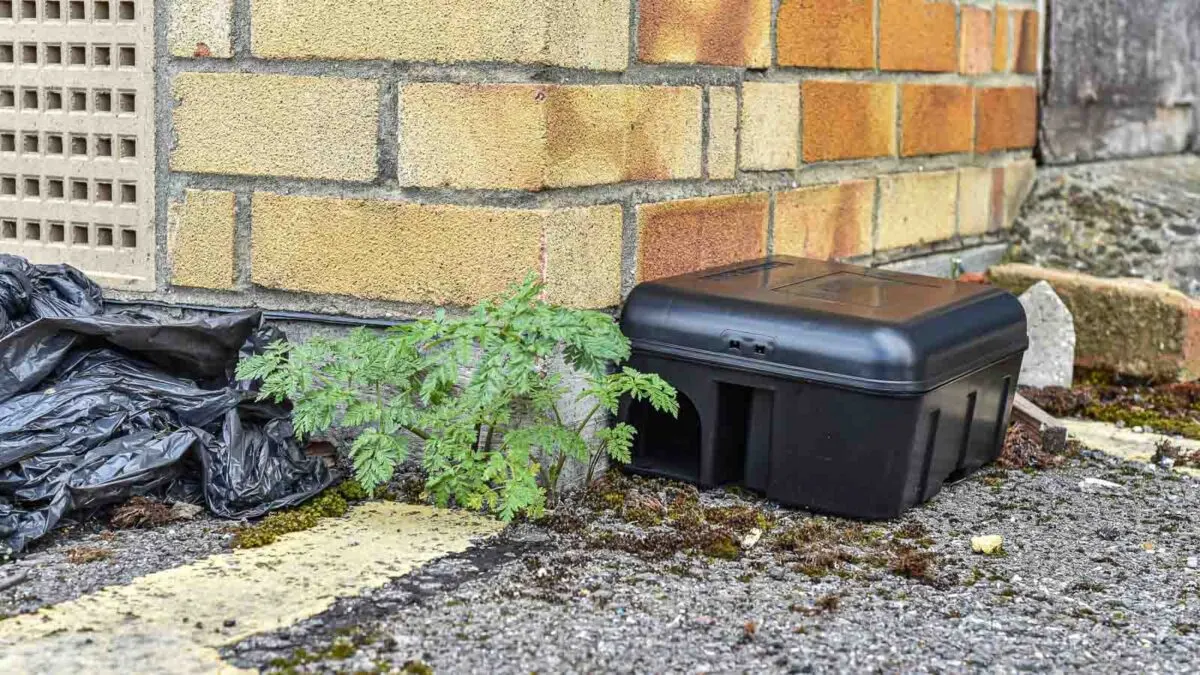
Rat poison is designed to be lethal, and the same danger applies to pets. Depending on the type, it can cause internal bleeding, kidney failure or seizures. Dogs might find it appealing due to added flavoring in the bait. If there’s any chance your dog has ingested it, seek veterinary help immediately.
Household Cleaners


Products like bleach, disinfectants and drain cleaners can cause chemical burns to a dog’s mouth, throat and stomach. Even licking a freshly cleaned surface or drinking from a mop bucket can be harmful. Keep cleaning products sealed and stored where your dog can’t access them, and rinse areas well before allowing your pet near them.
Insecticides


From ant traps to lawn treatments, many insecticides contain chemicals that can be toxic to pets. Exposure can cause anything from mild drooling and vomiting to severe tremors and difficulty breathing. Always follow label instructions carefully and keep treated areas off-limits until they’re completely dry.
Xylitol


This sugar substitute, often found in gum, candy, and some peanut butters, can cause a sudden drop in a dog’s blood sugar. In severe cases, it can also lead to liver failure. Symptoms like weakness, tremors, and seizures can appear quickly after ingestion, so immediate veterinary care is essential.
Plants


Many common houseplants and garden plants are toxic to dogs, including lilies, tulips and sago palms. Ingesting even small amounts can cause vomiting, diarrhea or more serious issues depending on the plant. Learn which plants in and around your home could be harmful and replace them with pet-safe alternatives.
Antifreeze


Ethylene glycol, the main ingredient in antifreeze, has a sweet taste that can tempt pets. Even a small amount can cause rapid kidney damage or failure. It’s often found in garages, driveways and streets during colder months. Clean up any spills immediately and store containers securely.
Human Foods


Onions, garlic, avocado and other everyday foods can be dangerous for dogs. Some damage red blood cells, others cause digestive distress, and a few can even be fatal. Dogs are opportunistic eaters, so keep countertops clear and garbage secured to prevent accidental ingestion.
10 Toxic Plants To Dogs That Every Owner Should Know About


Keeping our dogs safe isn’t just about leashes and fences—it’s also about knowing what’s in our gardens and homes. Believe it or not, some pretty plants can be pretty dangerous to our furry buddies. Learn what makes these ten plants toxic and why you need to keep them out of reach from your dog.
Read it Here: 10 Toxic Plants To Dogs That Every Owner Should Know About
10 Essential First Aid Tips Every Dog Owner Should Know


As a dog owner, being prepared for emergencies is as crucial as daily walks and feeding. Whether it’s a minor injury or a more serious condition, knowing first aid can be a lifesaver for your furry friend. From learning how to perform CPR to assembling a first aid kit, these tips will equip you with the essential knowledge to handle common emergencies so you can act swiftly and keep your dog safe.
Read it Here: 10 Essential First Aid Tips Every Dog Owner Should Know
*Select images provided by Depositphotos.