


Every dog has a unique way of showing how they feel, but spotting genuine happiness takes more than a quick glance. It’s not just about a tail wag or a playful bark. The real clues are often in the smaller moments like how they greet you, how they carry themselves and the little habits that become second nature when they feel safe and content. Recognizing these signals is a way to stay connected to your dog’s emotional well-being. When you learn what happiness looks like for your individual pup, you can make sure they’re getting more of what they love and less of what stresses them. Those everyday moments can tell you far more than you might expect, if you know what to look for.


Tail that wags with purpose


Not every wag means the same thing. A big, sweeping wag that moves the whole back end shows your dog is genuinely enjoying the moment. When the tail is held at a comfortable height and the motion is loose, it signals confidence and ease. Dogs use their tail as part of their emotional expression, so seeing it in full swing is a strong clue they’re feeling great.
Body language that’s loose and easy


A happy dog moves without stiffness. Relaxed muscles, a soft and slightly open mouth, and ears resting in a neutral spot all show they feel safe. When they flop onto their side or stretch out fully, it’s because they trust their surroundings and aren’t on alert. This comfort is one of the most reliable ways to spot a content pup.
Playfulness that comes naturally


Happy dogs don’t need prompting to have fun. They’ll grab a toy, bounce into a play bow, or race around the yard just because they feel like it. Play keeps their mind and body active, and a dog that initiates games is showing that their energy level and mood are both in a good place.
Appetite that shows enthusiasm


When mealtime comes and your dog rushes over with bright eyes and a wagging tail, it’s a sign they’re feeling good inside and out. A healthy appetite means their body is functioning well and their emotional state is stable. Dogs that eat with excitement are usually comfortable, secure, and in a positive frame of mind.
Willingness to snuggle


Choosing to curl up close isn’t just about staying warm. A dog that leans into you or settles by your side is expressing trust and affection. This closeness is a sign they feel secure in your presence and want to share that sense of comfort with you.
Curiosity about the world


A happy dog wants to explore. Whether they’re sniffing every tree on a walk or poking their nose into a new bag you brought home, curiosity means they’re mentally engaged. Dogs who show interest in their surroundings are generally confident and enjoying life.
Eyes that are bright and alert
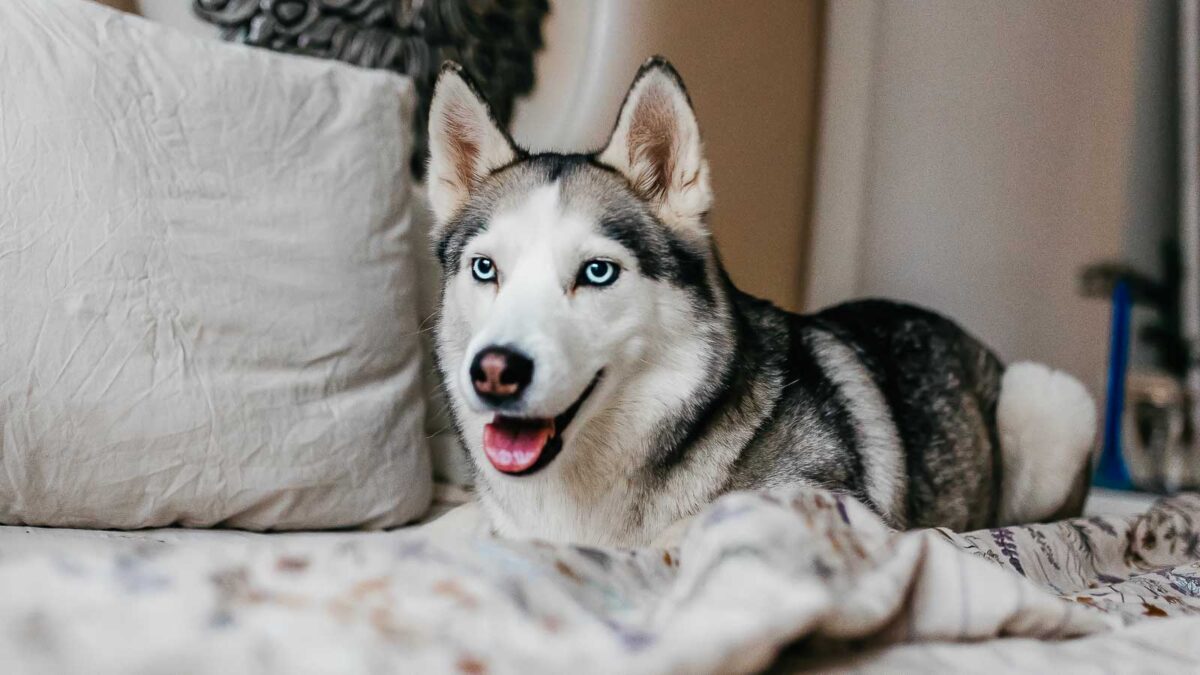

A healthy, happy dog’s eyes look clear, bright, and engaged. They’ll make direct, relaxed eye contact without looking tense or fearful. Dull or glazed eyes can point to discomfort or illness, so that sparkle is a reassuring sign of well-being.
Rolling over for belly rubs


Flopping onto their back and exposing their belly is a sign your dog trusts you completely. It’s a vulnerable position that dogs won’t take unless they feel safe. Many will even nudge you with a paw to encourage a rub, showing they’re both relaxed and enjoying the moment.
Letting out content sighs


That long, slow exhale after they settle into their bed isn’t just about getting comfortable, it’s a physical release of tension. Dogs often sigh when they’re fully at ease, signaling that they feel calm, secure, and satisfied.
Leaning Into You


When your dog presses their body against you, whether you’re sitting on the couch or standing still, it’s their way of saying they feel safe and connected. This kind of physical contact shows trust and a desire for closeness, and it’s often a sign they’re fully comfortable in your presence. Dogs that lean into their owners are seeking reassurance, affection, and the calm that comes from being near the person they trust most.
Sleeping deeply and often


Dogs that sleep well are showing they feel completely at ease in their environment. When they can stretch out, breathe steadily, and fall into long, undisturbed naps, it means they’re free from anxiety and physical discomfort. A dog that sleeps deeply and wakes up refreshed is usually in a stable mood, has good overall health, and feels secure in their daily routine.
Excited greetings


When you walk through the door and your dog meets you with an eager tail wag, bright eyes, and bouncy movements, it’s a strong sign they’re happy and emotionally bonded to you. This enthusiastic welcome shows they view your return as the highlight of their day. Dogs that greet their owners with this much joy are usually confident, content, and thriving in their home environment.
What These 10 Common Dog Body Language Signs Really Mean


Ever wondered what your dog is trying to tell you with that wag of their tail or those perky ears? Dogs communicate volumes through their body language, but interpreting these signals isn’t always straightforward. We’re breaking down some of the common canine body language cues to help you understand your furry friend better. From tail tucks to eye contact, you’ll become fluent in speaking ‘dog’!
Read it Here: What These 10 Common Dog Body Language Signs Really Mean
10 Little Things That Make Your Dog Feel Safe and Happy


Dogs pay close attention to the way you move, speak, and react to their needs. The small things you do every day shape how secure they feel around you. Some actions build trust, while others can create uncertainty. If they seem anxious or overly clingy, it’s not random—there’s always a reason. The way you interact with them determines whether they feel safe, relaxed, and truly at home. Here’s what actually matters.
Read it Here: 10 Little Things That Make Your Dog Feel Safe and Happy
*Select images provided by Depositphotos.