


Most people share bites of their own food with their dog without thinking much of it. A little taste from the plate, a leftover crust, maybe a piece of whatever’s in your hand. It feels harmless in the moment. But those small habits build up. Over time, they can start to affect your dog’s health in ways that aren’t immediately obvious. Dogs trust us to feed them and take care of their health, but some of these foods can cause more long-term damage than they’re worth.


Processed Deli Meats
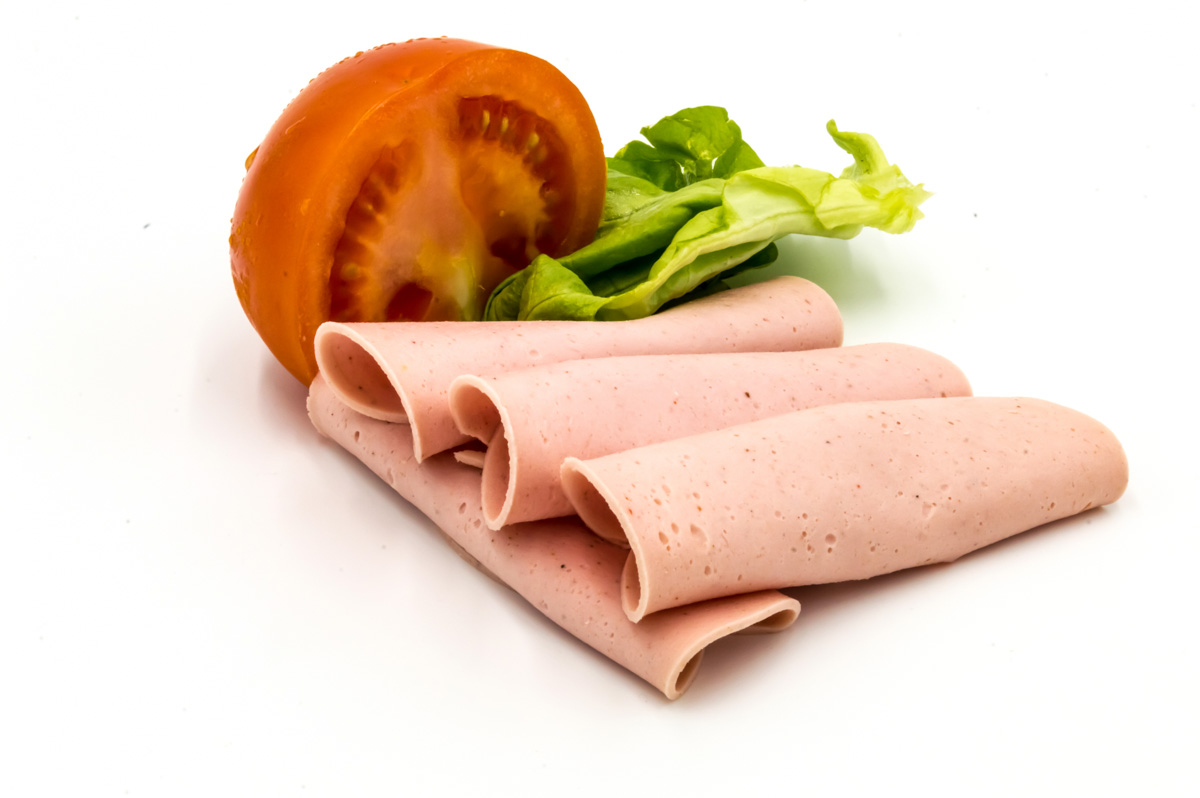

High in sodium, preservatives, and often hidden sugars, processed meats can contribute to long-term kidney strain, obesity, and even increased cancer risk in dogs. Even small slices here and there can build up over time and do more harm than most owners realize.
Cheese (in large amounts)


While a little cheese as a treat is usually fine, feeding it often can lead to weight gain, digestive issues, and pancreatitis. Dogs don’t digest dairy as efficiently as humans, and the fat content adds up quickly for their smaller systems.
Grapes and Raisins


Even a small amount can lead to kidney failure in some dogs, and the reaction isn’t always predictable. Feeding them regularly, even unknowingly through baked goods or trail mix, can have dangerous cumulative effects.
Fatty Table Scraps


Giving dogs leftovers from fatty meals (like bacon grease, fried food, or fatty cuts of meat) may seem harmless, but over time it can cause pancreatitis, weight gain, and liver stress. Their systems aren’t built to process heavy human fats.
Onions and Garlic (raw or cooked)


These ingredients, even in small amounts over time, can damage red blood cells and lead to anemia. They’re found in many cooked dishes and leftovers, making it easy to accidentally expose your dog without realizing it.
White Bread and Simple Carbs


Bread, pasta, and other refined carbs spike blood sugar and add empty calories with little nutritional value. Over time, this can lead to weight gain, insulin resistance, and inflammation in dogs.
Artificial Sweeteners (especially Xylitol)


Xylitol is toxic in small amounts and can cause rapid insulin spikes, liver failure, and even death. It’s often hidden in things like peanut butter, sugar-free gum, and some baked goods. Even trace amounts are dangerous.
Fried Snacks and Chips


These are packed with salt, processed oils, and preservatives that tax your dog’s digestive system and kidneys. Long-term exposure raises the risk of obesity, heart issues, and overall inflammation.
Ice Cream


Most dogs are lactose intolerant, and the sugar, fat, and artificial additives in ice cream can cause digestive issues and weight gain. Over time, it can contribute to insulin problems, especially in older dogs.
Leftover Cooked Bones
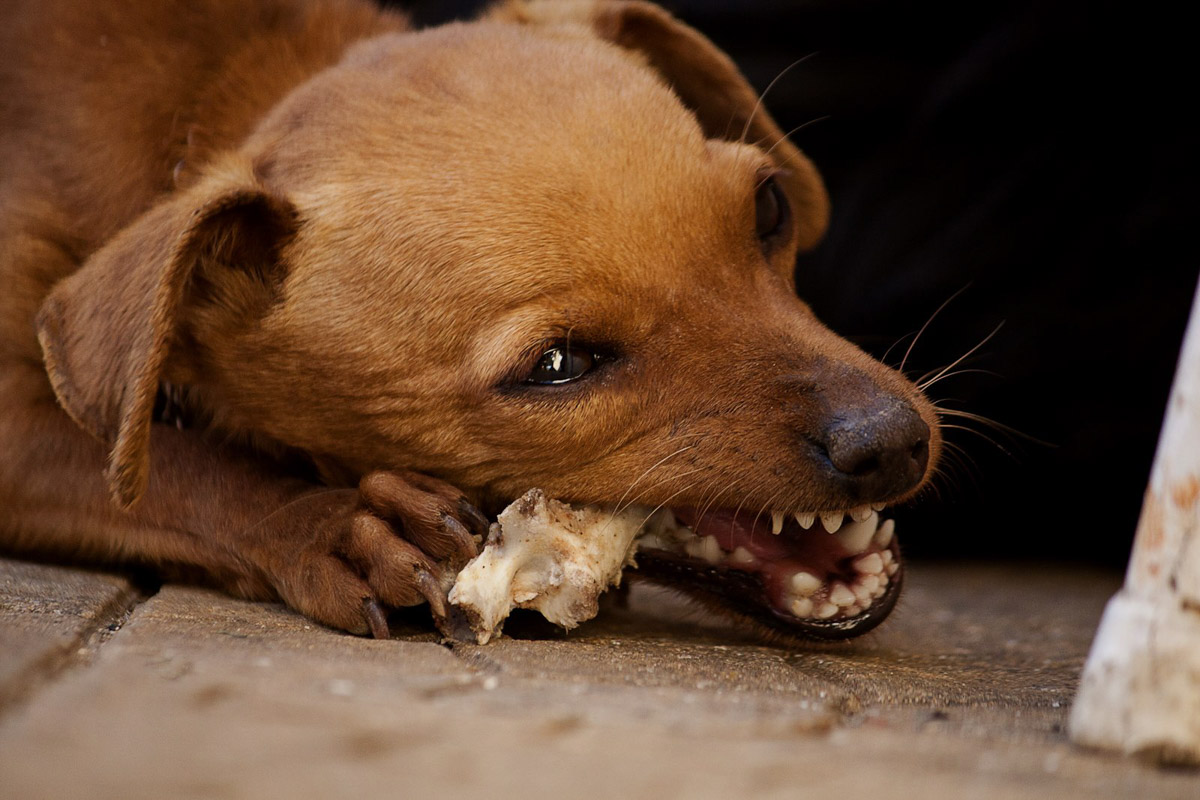
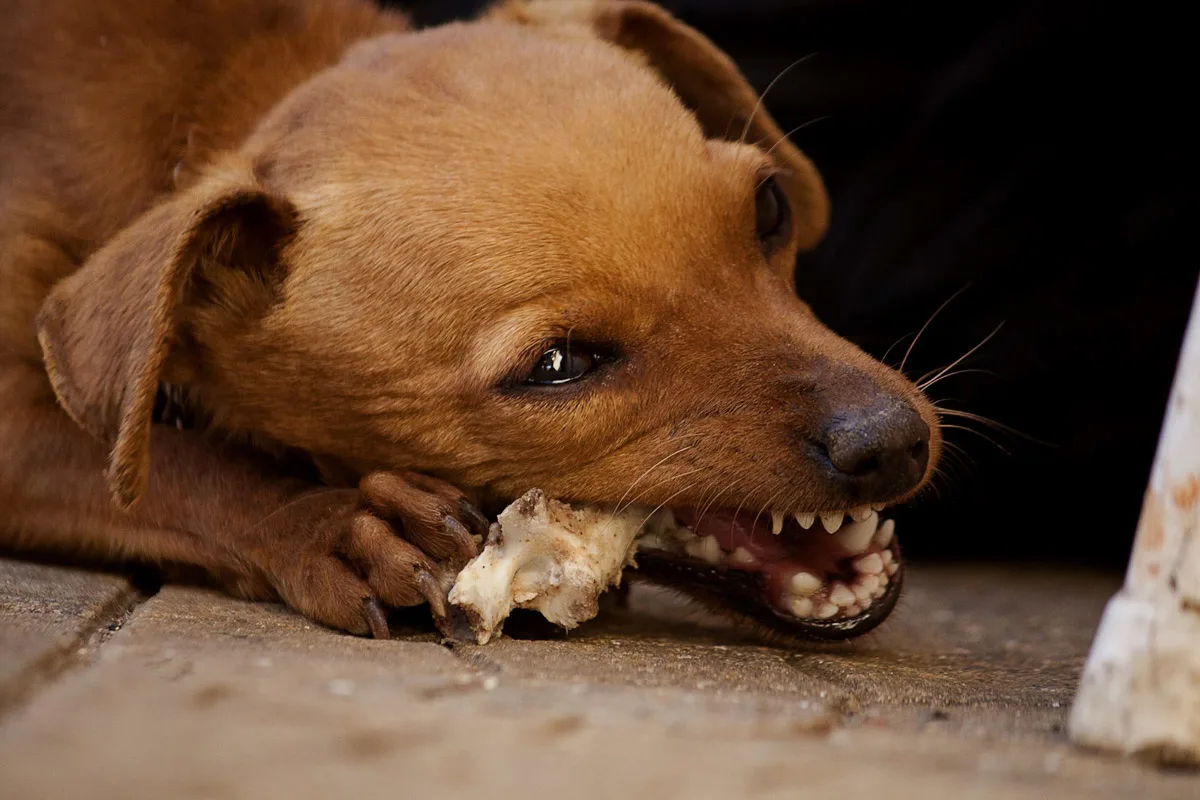
Cooked bones can splinter, leading to internal injuries, blockages, or infections. Even when they don’t cause immediate harm, regularly chewing them down can wear teeth and damage the gut over time.
12 Common Dog Health Issues And How To Prevent Them


We all want what’s best for our pets, and keeping them healthy requires more than just occasional vet visits. The responsibility lies with us, the owners, to prevent common health issues. Regular care, from dental hygiene to proper diet and exercise, is key to their well-being. Understanding these issues and taking proactive steps can make a significant difference in your dog’s health and happiness. Here are some common dog health problems and how disciplined care can help prevent them.
Read it Here: 12 Common Dog Health Issues And How To Prevent Them
7 Foods That Can Help Boost Your Dog’s Immune System


We all know feeding your dog “human food” can be a slippery slope, but not everything from your plate is off-limits. In fact, some foods can do wonders for your dog’s health, especially when it comes to boosting their immune system. While you should always be cautious about what you share with your four-legged friend, there are some healthy snacks that are just as good for them as they are for us.
Read it Here: 7 Foods That Can Help Boost Your Dog’s Immune System
*Select images provided by Depositphotos.