


Getting older comes with its share of aches and slow mornings, and that goes for dogs too. Their joints stiffen up, their energy dips, and sometimes even their appetite starts to fade. You can’t stop the clock, but you can make aging a little easier on them. One way to do that is by feeding foods that actually help fight inflammation instead of making it worse. These aren’t magic fixes, but they can make a real difference over time. And if it means your dog plays longer or limps less, it’s worth paying attention to what’s in the bowl.


Blueberries


Blueberries are rich in antioxidants, especially anthocyanins, which help reduce inflammation at the cellular level. For aging dogs, this can mean better mobility, sharper cognitive function, and support for the immune system. They’re also low in calories and safe to feed fresh or frozen. Add a small handful to their food bowl for a natural nutrient boost.
Fatty Fish (like Salmon or Sardines)
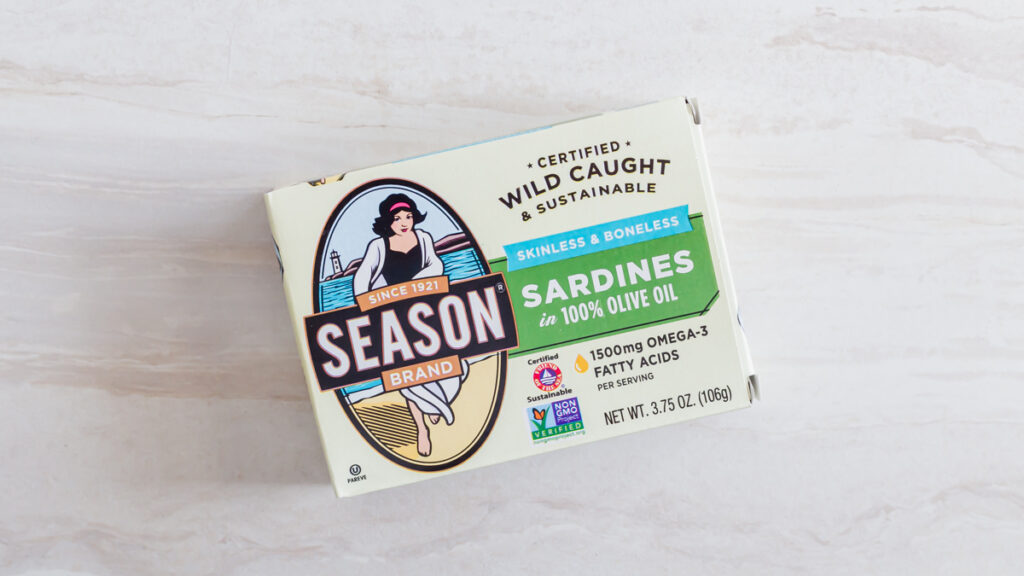
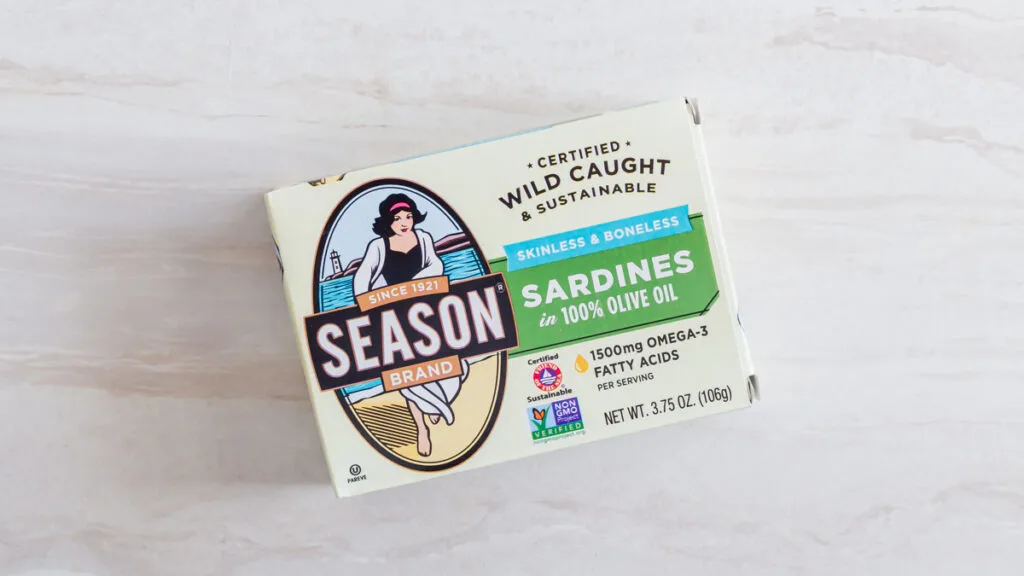
Salmon and sardines are packed with omega-3 fatty acids, which are proven to reduce inflammation in joints, support brain function, and promote heart health. For senior dogs dealing with arthritis or stiffness, adding cooked, boneless fatty fish or a vet-approved fish oil supplement can improve mobility and comfort over time. Always avoid seasoning and raw fish.
Pumpkin


Pumpkin is an excellent source of fiber, beta-carotene, and vitamin C, all of which support digestive and immune health. It also contains antioxidants that help reduce inflammation in the gut. For older dogs with sensitive digestion or irregularity, a spoonful of plain, canned pumpkin (not the pie mix) can help regulate their system without harsh additives.
Turmeric


Turmeric contains curcumin, a compound known for its anti-inflammatory and antioxidant effects. When given in small, vet-approved amounts—often combined with healthy fat like coconut oil to improve absorption—it may help with joint pain, stiffness, and general inflammation. It’s not a cure-all, but it can support long-term comfort for aging dogs.
Broccoli


Broccoli is full of vitamins C and K, as well as compounds like sulforaphane that may have anti-inflammatory effects. Lightly steamed, it’s a great addition to your dog’s diet in small amounts. For seniors, it can support immune function and provide fiber without extra calories. Avoid raw or heavily seasoned broccoli, which can cause gas or stomach upset.
Chia Seeds


Chia seeds are rich in omega-3s, fiber, and protein. When soaked in water, they become gel-like and easy for dogs to digest. For aging dogs, chia seeds can support joint health, reduce inflammation, and improve skin and coat condition. A small daily sprinkle over their food goes a long way without adding bulk.
Spinach


Spinach contains antioxidants like lutein and beta-carotene, plus anti-inflammatory nutrients such as vitamin K and magnesium. Cooked spinach (never raw in large quantities due to oxalates) can help support joint health and muscle function. It’s especially helpful for senior dogs with declining mobility or muscle loss.
Ginger


Ginger can help reduce chronic inflammation and has natural pain-relieving properties. It’s also known for aiding digestion and reducing nausea, which can be helpful for older dogs with sensitive stomachs. A small pinch of fresh grated ginger or a tiny bit of dried powder mixed into food can be beneficial—but always check dosing with your vet.
Sweet Potatoes


Sweet potatoes are loaded with beta-carotene, vitamin C, and fiber. They support gut health and provide slow-releasing carbohydrates, which help keep senior dogs’ energy stable. Their anti-inflammatory nutrients support joint health and immune response. Serve cooked and plain in small portions.
Bone Broth


Bone broth is rich in collagen, glucosamine, and amino acids that support joint health and reduce inflammation. It’s especially soothing for older dogs with arthritis or declining appetite. You can add it to dry food for moisture and flavor, or offer it warm on its own. Avoid broths with onions, garlic, or high sodium levels.
10 Foods Dogs Love That Are Actually Good for Them


Dogs will eat just about anything, but some of their favorite snacks are actually good for them. Instead of tossing them another bland biscuit, you can give them real food that supports their health while still feeling like a treat. Some options help their digestion, others boost brain function, and a few even improve their coat and joints. The best part is, they have no idea they’re eating something nutritious.
Read it Here: 10 Foods Dogs Love That Are Actually Good for Them
10 Tips For Choosing The Best Dog Food


Choosing dog food these days feels like you need a degree in canine nutrition. The options are endless, and it’s almost as complicated as picking out your own groceries. Grain-free, organic, raw – who knew dog food could be so fancy? It’s enough to drive any dog owner nuts. But fear not, we’ve got the lowdown to help you cut through the nonsense. Here are 10 tips to help you choose the best dog food without going crazy.
Read it Here: 10 Tips For Choosing The Best Dog Food