


If your dog gets nervous around other dogs, you’re definitely not the only one dealing with the awkward growling-at-the-park moment. Socializing isn’t as simple as just showing up and hoping for the best, especially if your dog would rather avoid the canine crowd altogether. But there are smart, easy ways to help your furry friend feel more comfortable and confident around other pups. Here are a few.


Start with Distance


Gradually introduce your dog to other dogs by keeping them at a comfortable distance. Let them observe other dogs from afar where they feel safe. Slowly decrease the distance over time as they become more comfortable. It’s all about building trust and reducing their anxiety step by step.
Use Positive Reinforcement


Reward your dog with treats and praise when they remain calm around other dogs. This helps them associate positive feelings with other dogs rather than fear. Make sure to reward immediately, so they know what behavior is being praised.
Practice Calm Leadership


Your dog will often mirror your energy. If you’re tense or anxious, they will be too. Stay calm and confident when other dogs are around, and your dog will be more likely to relax as well. This can help them feel more secure in unpredictable situations.
Socialize Slowly


Gradually expose your dog to one-on-one playdates with calm, well-socialized dogs. Starting with smaller, quieter settings helps avoid overwhelming them. Avoid crowded places initially until they build up confidence in low-stress environments.
Desensitization Training


Desensitize your dog by slowly exposing them to other dogs in controlled settings. Each time they behave calmly around another dog, reward them. Over time, they’ll learn that being near other dogs isn’t something to be scared of.
Engage Their Mind


Keep your dog mentally engaged with training exercises or toys when other dogs are around. This helps shift their focus away from nervousness. By giving them something else to concentrate on, it can reduce their anxiety in social situations.
Body Language Awareness


Pay attention to your dog’s body language. If they start to show signs of stress (like lip licking, yawning, or turning away), give them space. Intervening early prevents a full-blown anxiety response and helps them stay in their comfort zone.
Leash Control
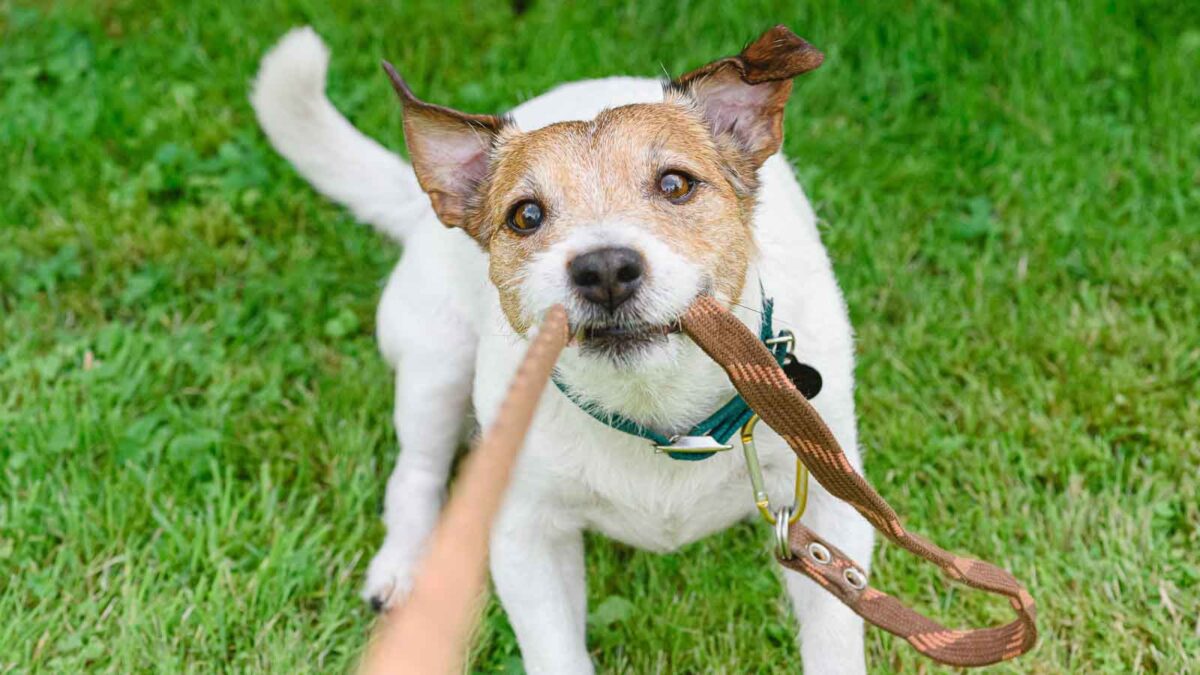

Keep your dog on a loose leash when other dogs are near. A tight leash can cause added stress and signal to your dog that there’s something to fear. Keeping it relaxed shows them that the situation is under control and there’s no need to worry.
Create Positive Experiences


Allow your dog to have positive interactions with friendly, calm dogs. A gentle sniff or short walk together can help your dog start building trust and confidence around others. These small victories can gradually shift their overall attitude toward social situations.
Consult a Professional Trainer


If your dog’s nervousness is extreme, consider working with a professional trainer who specializes in behavioral issues. They can create a tailored plan to help desensitize your dog and build their confidence over time in a structured, safe manner.
10 Popular Dog Myths That Just Aren’t True


When it comes to man’s best friend, there’s no shortage of old wives’ tales and passed-down wisdom. But have you ever stopped to wonder which of these nuggets are true? We’re tackling some of the most popular dog myths and clearing up the misconceptions.
Read it Here: 10 Popular Dog Myths That Just Aren’t True
9 Ways You’re Unknowingly Making Your Dog Anxious


Many dog owners don’t realize that some everyday habits can make their pets anxious. Inconsistent routines, lack of exercise, and too much alone time are just a few things that can stress your dog out. Understanding these common triggers can help you create a calmer, happier environment for your dog.
Read it Here: 9 Ways You’re Unknowingly Making Your Dog Anxious