


Some dogs act like food is their entire reason for existing, and for certain breeds, that’s not too far from the truth. These food-driven pups will do just about anything for a treat, which can be both a blessing and a challenge. On the bright side, their snack obsession makes them easy to train. But if you’re not careful, it can lead to some unhealthy habits. Here are the breeds that are most food-motivated and how to manage that appetite without turning them into treat-demanding divas.


Labrador Retriever


Labs are famously food-motivated, which makes them incredibly easy to train using treats as rewards. This breed is known for always being hungry, so while food rewards work wonders during obedience training, it’s essential to watch their caloric intake. Labs are prone to obesity, so using low-calorie treats or kibble as rewards can help keep their weight under control. Incorporating puzzle feeders can also engage their brains and slow down fast eaters.
Beagle


Beagles, with their powerful sense of smell, are driven to sniff out and consume food, making them one of the most food-obsessed breeds. This food motivation is great for training, but it can lead to overeating. Beagles have been known to steal food if given the opportunity, so structured feeding times and portion control are key. Puzzle feeders and slow-eating bowls are excellent tools to prevent them from eating too quickly, while still satisfying their hunting instincts.
Dachshund


Dachshunds might be small, but their appetite is huge. They’re incredibly food-motivated, which can be helpful for training purposes, but be careful not to overdo it. Their elongated spines make them prone to back issues, and excess weight can exacerbate these problems. Try rewarding them with smaller treats like pieces of apple or carrot, and always be mindful of their portion sizes during meals. Dachshunds also benefit from food-dispensing toys to keep them entertained.
Pug


Pugs are notorious for their love of food, which can sometimes lead to begging behavior. They’re eager to work for treats, which makes them responsive to training, but they are also prone to obesity. Their short snouts can lead to breathing problems that worsen with excess weight. Use portion control and opt for healthy, low-calorie treats to keep your Pug at a healthy weight. Additionally, feeding them small, frequent meals throughout the day can help curb their constant hunger.
Golden Retriever


Golden Retrievers are food-driven and eager to please, making them excellent candidates for reward-based training. However, this food obsession means they can easily gain weight if not monitored. Mix treats with healthy alternatives like carrots or green beans to reduce calorie intake without sacrificing motivation. Incorporating food puzzles can stimulate their active minds and keep them entertained between meals, ensuring they stay lean and fit while satisfying their desire to eat.
Cocker Spaniel


Cocker Spaniels are quick to learn when food is involved, but their love for food can also lead to weight gain. These dogs are prone to ear infections and obesity, so keeping their diet in check is crucial. You can use their food drive to reinforce positive behaviors, but opt for training treats that are lower in fat. Consider spreading meals out over the day or using portion-controlled feeding methods to keep their energy levels stable without adding extra pounds.
French Bulldog
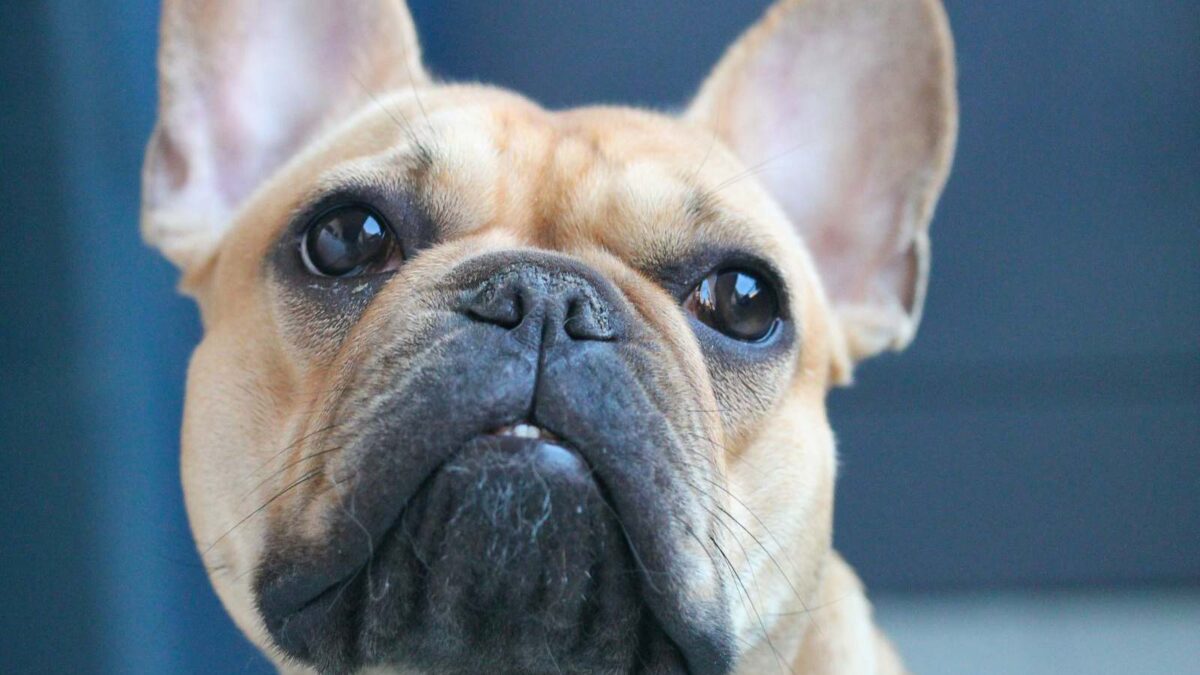

French Bulldogs are known for their stubbornness, but when food is involved, they tend to be more cooperative. While their food motivation is great for training, it’s important to monitor their diet closely as they’re prone to weight gain, which can aggravate their existing respiratory issues. Choose high-protein, low-fat treats, and don’t let them indulge in table scraps. Puzzle toys that dispense treats can help keep them entertained without overfeeding.
Border Collie


Border Collies are intelligent and highly active, and food can be an effective motivator for them. Their high energy levels mean they need a lot of stimulation, and treat-based rewards can be paired with mental challenges like agility training or obedience tasks. However, Border Collies aren’t as prone to weight issues as other breeds, thanks to their energy levels, but they can still benefit from using food puzzles to keep their minds busy while controlling treat intake.
Pembroke Welsh Corgi


Corgis are notorious foodies, and while this makes them eager to train, their small, stocky build makes them prone to gaining weight. Corgis also have a herding instinct, which means they can become easily bored. Incorporating food-dispensing toys not only engages their problem-solving skills but also slows down their eating habits. Stick to high-fiber, low-calorie treats to keep them motivated without adding unnecessary weight. Frequent, smaller meals may also help with weight control.
10 Reasons Why Your Dog Is Constantly Begging For Food


If your dog’s turned into a full-time beggar, it’s probably driving you nuts. Those big, pleading eyes can be hard to resist, but constant begging isn’t just about wanting a snack—it’s often a sign of something else going on. Whether they’ve learned that persistence pays off or they’re just bored out of their minds, there are plenty of reasons why your pup might be driving you crazy at mealtime.
Read it Here: 10 Reasons Why Your Dog Is Constantly Begging For Food
10 Tips For Choosing The Best Dog Food


Choosing dog food these days feels like you need a degree in canine nutrition. The options are endless, and it’s almost as complicated as picking out your own groceries. Grain-free, organic, raw – who knew dog food could be so fancy? It’s enough to drive any dog owner nuts. But fear not, we’ve got the lowdown to help you cut through the nonsense. Here are 10 tips to help you choose the best dog food without going crazy.
Read it Here: 10 Tips For Choosing The Best Dog Food
*Select images provided by Depositphotos.