


The weather’s finally decent, and your dog’s been staring at the door like it owes them something. It’s the season for trails, fresh air, and pretending you’re more outdoorsy than you actually are. Taking your dog along sounds great until you’re halfway through a hike with no water, no poop bags, and a leash situation you regret. Hiking with a dog takes a little more planning than just grabbing the leash and heading out. If you want it to go well for both of you, there are a few things worth thinking about before you hit the trail.


Check Trail Rules


Not every trail is dog-friendly, and showing up unprepared can cut your hike short before it starts. Some parks allow dogs only on certain paths or require leashes at all times. Others ban dogs altogether due to wildlife protection or narrow trails. Before you head out, check the official site or signage to make sure dogs are allowed and see if there are any restrictions like leash length, seasonal closures, or specific access points.
Update Identification


If your dog takes off after a squirrel and slips out of sight, a collar tag with outdated info will not help you get them back. Make sure your dog’s ID tags include a current phone number and that their microchip is up-to-date in the national registry. Hiking adds a lot of unpredictability, especially with off-leash trails or crowds, so having proper ID in place gives you peace of mind if something unexpected happens.
Pack Essentials


Your dog needs gear too. At a minimum, bring water, a collapsible bowl, waste bags, and a few treats or high-energy snacks. If the hike is long or your dog can carry a bit of weight, consider a dog backpack to hold some of their own supplies. Don’t assume you’ll find a water source on the trail or that they’ll be fine without food. Planning ahead means fewer problems when you’re miles from the car.
Practice Good Etiquette


A hike is not a free-for-all just because it is outside. Keep your dog on a leash where required and make sure they are under voice control if they are allowed off leash. Pick up all waste and pack it out. Nobody wants to dodge dog poop on a narrow trail. Be respectful of wildlife, other dogs, and hikers by keeping your dog close and calm. A poorly behaved dog makes the trail worse for everyone else.
Start Slow


If your dog has never hiked before, don’t expect them to crush a six-mile trail on the first try. Start with short, local walks on varied terrain to build their endurance, strength, and comfort level. Just like people, dogs need to work up to longer distances and steeper climbs. Pushing too hard too soon can lead to sore muscles, dehydration, or injuries that could have been avoided.
Check the Weather


A sunny forecast sounds great in theory, but dogs overheat faster than people and don’t sweat the same way. Avoid hiking in extreme heat or cold, especially for brachycephalic breeds, seniors, or puppies. Early morning or late afternoon hikes are better during warm weather. Watch the humidity too, it plays a bigger role in how quickly your dog can overheat than temperature alone.
Monitor Your Dog


Dogs are good at powering through discomfort until it’s too late. Pay attention to changes in their pace, breathing, or behavior. If your usually energetic dog slows down, lags behind, or starts licking their paws obsessively, it could be a sign they need a break or are starting to feel pain. Don’t assume they’re fine just because they’re quiet, check in regularly.
Protect Their Paws


Rocks, gravel, hot pavement, and ice can tear up your dog’s pads faster than you think. Some dogs benefit from wearing protective booties, especially on tough terrain or in extreme temperatures. Even if you skip the boots, check their paws for cuts, burrs, or stuck debris during breaks and after the hike. Preventing injury is a lot easier than treating one on the side of a trail.
Stay Hydrated


Dehydration can sneak up fast during a hike. Bring plenty of clean water for both you and your dog and offer it regularly instead of waiting for signs of thirst. Streams might look clean but can carry bacteria or parasites that will make your dog sick. A portable bowl and a filled bottle are non-negotiables, even on short hikes. Staying ahead of thirst keeps energy up and avoids dangerous overheating.
Take Breaks


Your dog might want to power through, but that does not mean they should. Build in time for water, snacks, and rest, especially on longer trails or steeper climbs. Use breaks to check their paws, monitor their breathing, and give them a chance to cool off. You will both enjoy the hike more if it is paced with comfort in mind instead of pushing too hard.
Post-Hike Check


Once you are off the trail, your job is not done. Check your dog thoroughly for ticks, burrs, cuts, or signs of irritation. Look between toes, inside ears, and around the belly and tail where pests like to hide. A good brushing helps remove debris and gives you a chance to spot anything off. If they’ve been in water or mud, a quick rinse or bath keeps skin issues from popping up later.
The 11 Friendliest Dog Breeds To Steal Your Heart
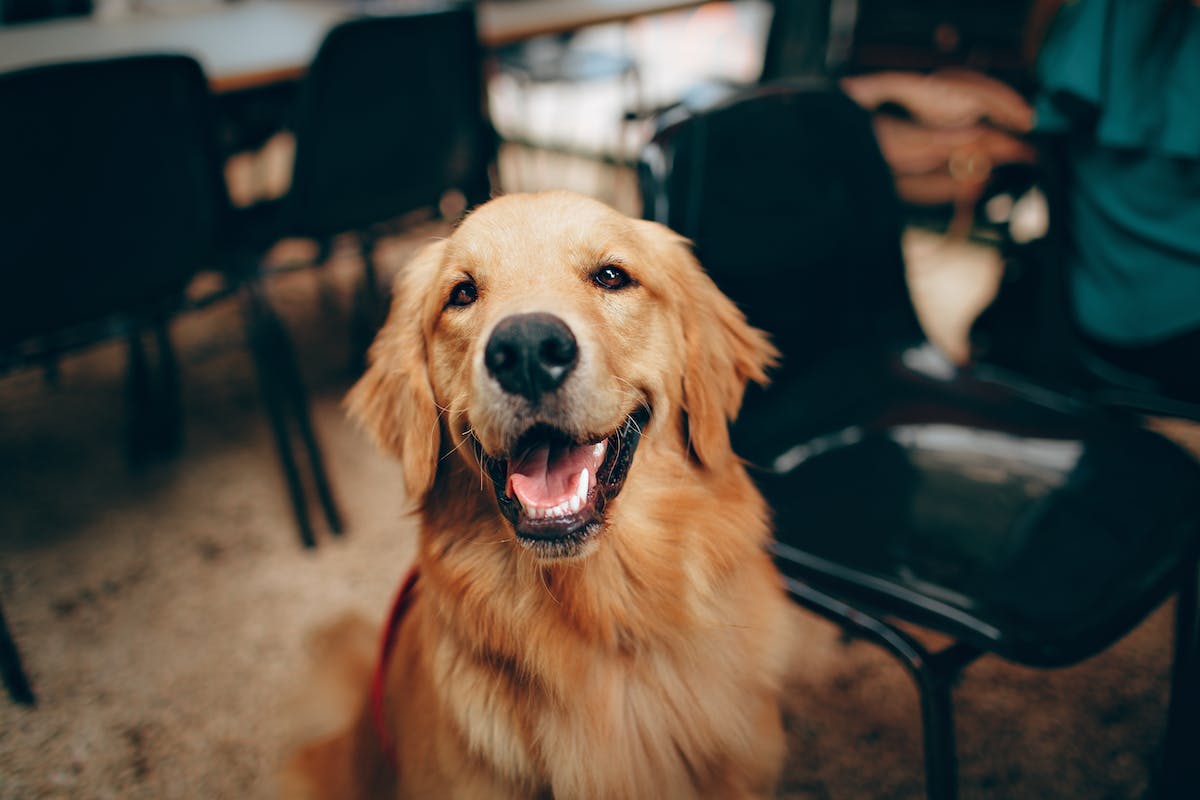
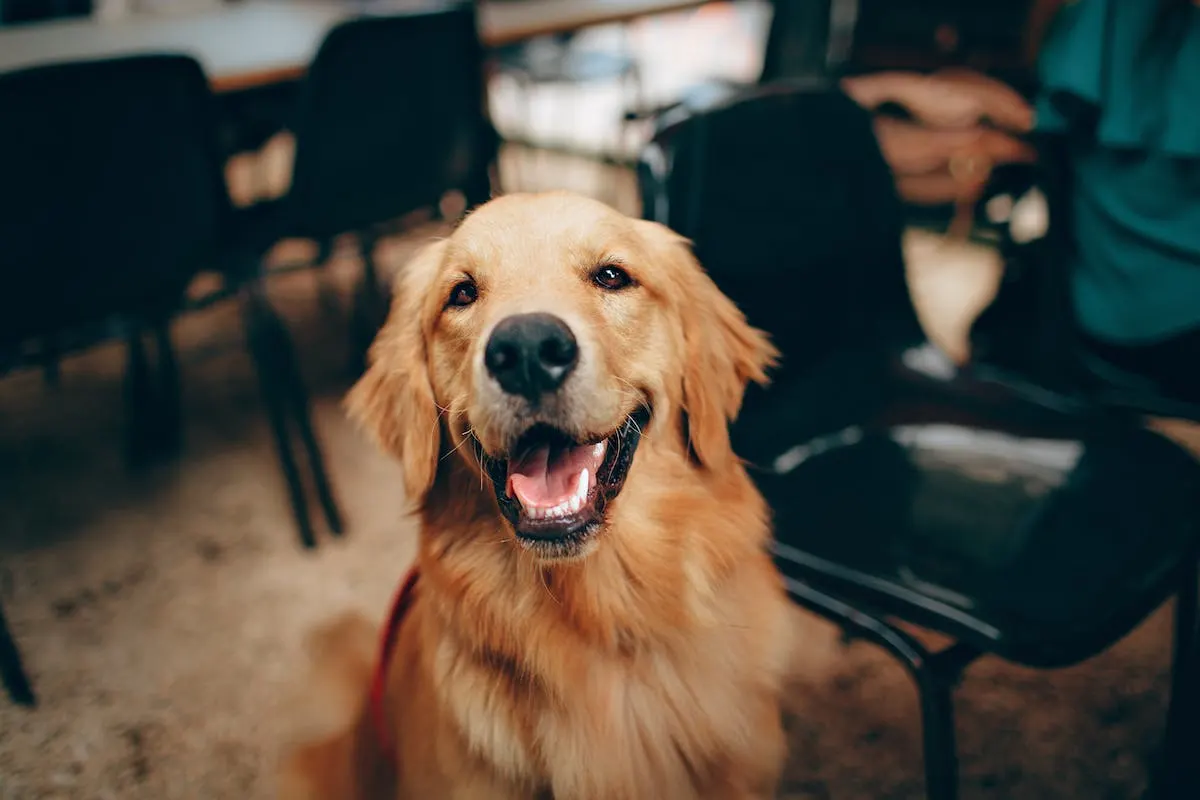
They’re called man’s best friend, but some dog breeds are friendlier than others. Find your next furry companion on this list of the 11 friendliest dog breeds who are playful, loyal, and ready to fill your heart with joy.
Read it Here: The 11 Friendliest Dog Breeds To Steal Your Heart
Bone Broth for Dogs is a Canine Elixir


Have you ever wondered if your furry friend could benefit from the same wholesome elixir that has humans singing its praises? A nourishing cup of bone broth for dogs might be the secret to your dog’s optimal health.
Read it Here: Bone Broth for Dogs is a Canine Elixir