


Choosing a dog breed without thinking it through can lead to problems fast. Some breeds need more exercise than most people can realistically give. Others come with grooming needs that turn into a full-time job. A mismatch between your lifestyle and a dog’s instincts or energy level leads to frustration on both sides. It is not just about liking how a dog looks or what someone on the internet says. Taking the time to understand what you are actually signing up for can save you from a lot of stress down the road.


Size Matters


Size plays a major role in how well a dog will fit into your lifestyle. It is not just about how cute they are as puppies. Larger dogs need more space to move around comfortably, which can be an issue in small apartments or homes without yards. On the flip side, small breeds may be easier to manage in tight spaces but can still have strong personalities that require attention. Before you fall in love with a breed based on looks, think realistically about how much space you can offer.
Energy Levels


Every breed has a different baseline when it comes to daily activity. High-energy dogs like Border Collies or Belgian Malinois are built for work and will not be happy sitting around all day. If you are not prepared to dedicate time to exercise and mental stimulation, choosing an active breed can lead to destructive behavior and frustration on both ends. Matching a dog’s energy to your lifestyle is one of the most overlooked but important parts of making a smart choice.
Family Dynamics


Your household setup matters. Some dogs thrive in quiet homes with one or two people, while others do best in busy families full of kids and other pets. If you have young children or plan to add pets in the future, look into breeds known for patience, gentleness, and tolerance. Ignoring compatibility with your home environment can create constant tension and safety concerns, especially around small kids or reactive animals.
Maintenance and Health


All dogs come with care requirements, but some are more demanding than others. Long-haired breeds need consistent grooming, which can get expensive if you are not doing it yourself. On top of that, certain breeds are prone to chronic health problems that require regular vet visits and medication. The initial cost of adoption isn’t the only thing to consider, you should also be prepared for the long-term care some breeds will absolutely need.
Training and Intelligence


Some breeds are eager to learn and pick up commands quickly, while others are more independent or stubborn. If you are a first-time owner or someone without a lot of time for training, go with a breed that responds well to basic structure and routine. Smart does not always mean easy. Some intelligent breeds need constant mental stimulation or they get bored fast. Training compatibility is key to avoiding long-term behavior issues.
Allergy Considerations


If anyone in your household has allergies, breed choice becomes even more important. While no dog is 100 percent hypoallergenic, some breeds shed less and produce lower amounts of dander. Dogs like Poodles, Portuguese Water Dogs, and certain Terriers can be more manageable in allergy-sensitive homes. Ignoring this can turn pet ownership into a miserable experience filled with sneezing, itchy eyes, and constant discomfort.
Lifespan and Aging


Not all dogs age the same way, and breed plays a big part in life expectancy. Smaller breeds tend to live longer, while giant breeds often have shorter lifespans and age more rapidly. It is important to think beyond the first few years — are you prepared for the long-term physical and emotional commitment that comes with aging, chronic care, and eventual end-of-life decisions? These are hard realities, but they should factor into your decision.
Activity Compatibility


Choosing a dog means adjusting your day-to-day life to accommodate them. If you are someone who enjoys long walks, hikes, or an active lifestyle, then a sporting or working breed could be a great fit. If you prefer a slower pace or work long hours, look for breeds that are more content with shorter, routine walks and downtime. Picking a breed that clashes with your schedule leads to unmet needs and behavior issues down the road.
Cost of Ownership


The cost of owning a dog is not just food and toys. Vet bills, grooming appointments, preventative medications, training classes, and even boarding or dog walking services all add up quickly. Large breeds often cost more across the board, from food to medication dosages. Some breeds are also predisposed to specific, costly health conditions. If budget is tight, make sure you factor in the full financial picture before choosing.
Breed-Specific Legislation


Not every breed is welcome everywhere. Some cities, housing developments, or insurance providers have restrictions on certain breeds, especially those classified as “aggressive” like Pit Bulls, Rottweilers, or Dobermans. Before you commit to a breed, make sure it is legal and accepted in your area and that you won’t face unexpected restrictions that could put your dog at risk of being removed or banned.
Can I Walk My Dog 30 Minutes After Eating?


The age-old advice of waiting before swimming after a meal has been ingrained in our minds, but what about walking our furry friends? Many dog owners wonder if the same caution applies to their pets.
Read it Here: Can I Walk My Dog 30 Minutes After Eating?
Can You Buy Dog Food with Food Stamps?
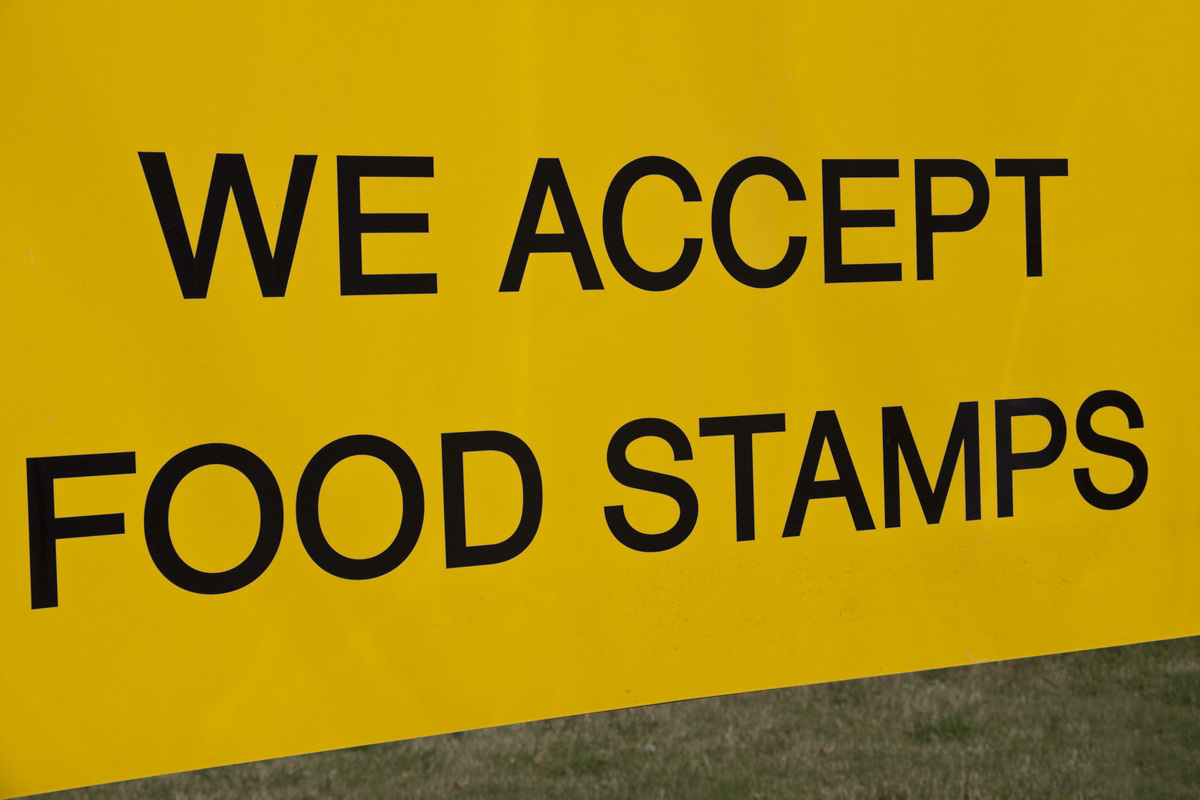

For countless individuals, a pet is not just an animal; it’s a cherished member of the family. The love and companionship our furry friends provide, especially in challenging times, are irreplaceable. Given this deep bond, it’s no surprise that many pet owners are determined to ensure their pets receive the best care possible, including a balanced and nutritious diet. This brings us to a frequently asked question: Can you buy dog food with food stamps?
Read it Here: Can You Buy Dog Food with Food Stamps?
*Select images provided by Depositphotos.