


Watching your dog get older is tough, but making their final years the best they can be is entirely in your hands. They might be moving slower and sleeping more, but they still deserve comfort, care, and plenty of good days. The small things matter now more than ever, and what worked when they were younger might not be enough anymore. Paying attention to their changing needs and making a few simple adjustments can go a long way. If you want to make this stage of their life as fulfilling as possible, here’s where to start.


Prioritize Comfort Over Convenience


Older dogs may struggle with stairs, hard floors, or cold temperatures. Providing softer bedding, ramps, and a warm place to rest helps them stay comfortable. Even small adjustments, like adding rugs to slippery floors, can make a big difference in their daily life.
Adjust Their Diet to Fit Their Changing Needs


Senior dogs often have different nutritional needs. Some may need a lower-calorie diet to prevent weight gain, while others require higher protein for muscle support. Adjusting their food, adding supplements, and keeping them well-hydrated can improve their quality of life.
Make Veterinary Check-Ups More Frequent


Health issues can progress quickly in senior dogs. Increasing vet visits from once a year to every six months helps catch problems early. Regular blood work, dental care, and mobility checks ensure you can manage pain and other issues before they affect their daily life.
Give Them More Mental Stimulation


Aging doesn’t mean they stop needing enrichment. Keeping their brain active with puzzle toys, new scents, gentle training sessions, and even short car rides can prevent cognitive decline. Simple challenges keep them engaged and make life more enjoyable.
Modify Their Home to Be More Accessible


Older dogs may struggle with mobility, so small home modifications can make life easier. Adding ramps, lifting food and water bowls, and ensuring they have an easy-to-access sleeping area can reduce strain on their joints and make them more comfortable.
Let Them Set the Pace on Walks


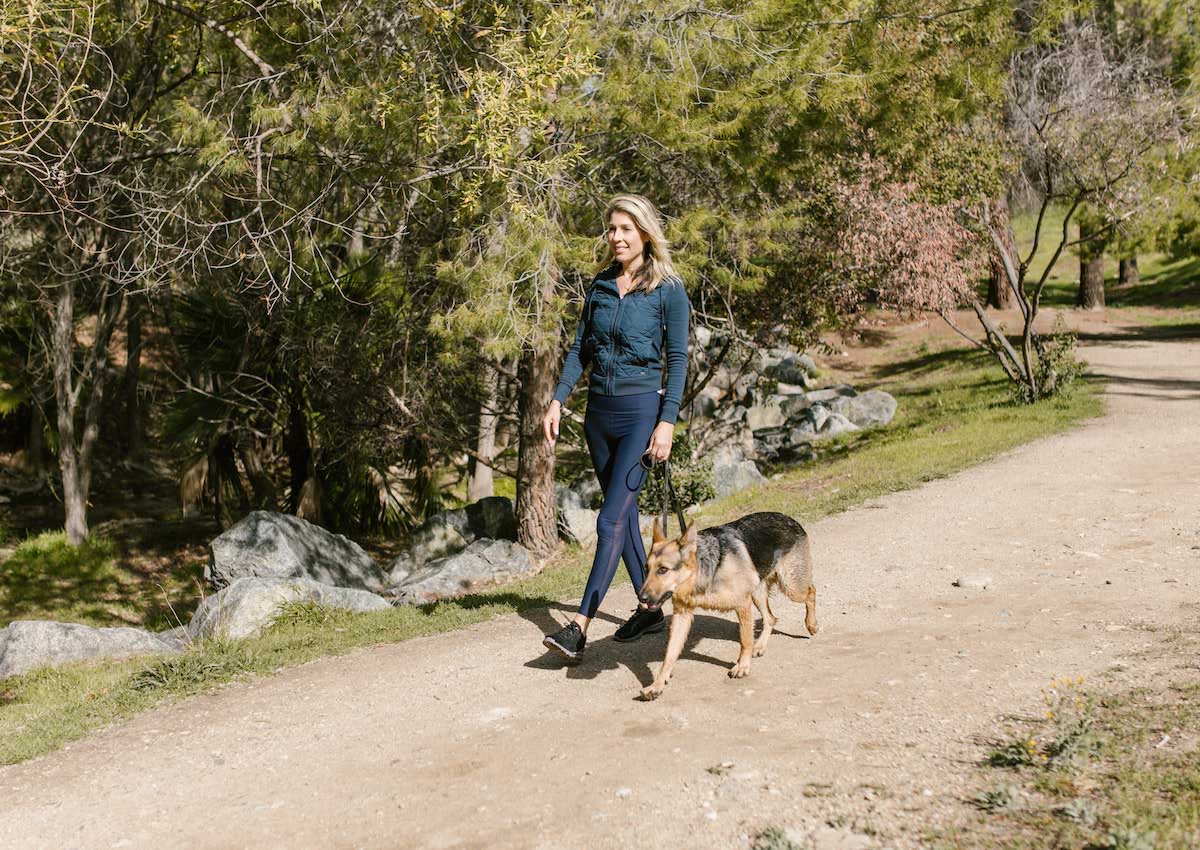
Senior dogs slow down, and their walks should match their ability. Letting them sniff, walk at their own pace, and take more breaks ensures they still enjoy their outings. For dogs with severe mobility issues, short outdoor sessions or stroller walks can help them stay engaged.
Spend More Time Just Being Present


Your dog values your presence more than anything. Sitting with them, petting them, and just spending time nearby—even without doing much—provides comfort. As they age, your companionship becomes the most reassuring part of their day.
Be Patient with Their Changing Moods


Senior dogs can become more anxious, irritable, or withdrawn. They may not tolerate loud noises or new experiences like they used to. Being patient, reading their signals, and adjusting your expectations can help them feel safe and understood.
Create a Daily Routine That Feels Safe


A structured routine helps older dogs feel secure. Keeping consistent mealtimes, bathroom breaks, and rest periods reduces anxiety and confusion. Predictability becomes more important as they age, especially if cognitive decline starts to set in.
Make the Most of Their Good Days


Senior dogs still have great days where they feel strong and energetic. Taking advantage of those moments with an extra-long cuddle, a favorite treat, or a short adventure helps make their final years full of joy. Recognizing and celebrating their good days creates lasting memories.
10 Tips to Keep Your Senior Dog Happy and Healthy


As dogs get older, they need a bit more care to stay happy and healthy. Simple changes in their routine can make a big difference in their well-being. From adjusting their diet to ensuring they get gentle exercise, there are plenty of ways to help your senior dog thrive. Here are some practical tips to keep your aging pup in great shape.
Read it Here: 10 Tips to Keep Your Senior Dog Happy and Healthy
The Surprising Benefits Of Owning A Senior Dog

Thinking about adopting a dog? Don’t overlook the seniors! Older dogs can be fantastic companions with their calm, relaxed demeanor and built-in good manners. They might not be as bouncy as puppies, but they come with their own set of surprising benefits.
Read it Here: The Surprising Benefits Of Owning A Senior Dog
*Select images provided by Depositphotos.