


Kids and dogs can get along just fine, but only if the kids know what they’re doing. Dogs aren’t complicated, but they do have boundaries, and ignoring those can lead to some pretty unpleasant moments. Teaching kids the basics of how to behave around dogs isn’t optional—it’s what keeps everyone safe and stress-free. From knowing when to back off to understanding what a wagging tail really means, these are lessons that matter.


Always Ask Before You Pet


Not every dog is ready to join the fan club, and assuming otherwise is how accidents happen. Teach kids to always ask the dog’s owner before reaching out. This isn’t just politeness—it’s a safety check. Some dogs may be nervous, unwell, or simply not used to kids. By asking first, your child avoids spooking a dog that’s not in the mood, and it shows respect for the owner’s rules too. A quick “Can I pet your dog?” sets the stage for a safer, happier interaction.
Ditch the Dash and Approach Calmly


Scene: a kid barrels toward a dog, squealing with excitement. That dog now has two choices—freak out or run away. Teach kids to approach dogs like they’re meeting royalty: slowly, quietly, and with purpose. Quick movements and loud noises can activate a dog’s fight-or-flight instincts, making them feel defensive or threatened. By walking calmly and letting the dog see them coming, kids can earn the dog’s trust and avoid accidentally scaring them.
Skip the Head Pats


A kid’s go-to move is often a head pat, but for many dogs, it’s like a giant hand coming out of nowhere to invade their space. Instead, teach kids to offer a hand for the dog to sniff and then gently pet under the chin or along the side of the neck. These are less threatening areas and help the dog feel safe. Bonus points if kids notice the dog’s body language—if they pull away or seem stiff, it’s time to stop petting altogether. Consent matters here, even for dogs.
Learn the Lingo: Tail, Ears, Eyes


Dogs can’t say “leave me alone” in words, but their body language does the talking. Teach kids to read the signs. A wagging tail? Could mean happy, or it could mean they’re overstimulated. Ears pinned back or stiff? They’re nervous. Avoiding eye contact or yawning? That’s dog-speak for “I need space.” Knowing these cues empowers kids to interact safely, avoiding moments where the dog might feel the need to growl or nip to communicate.
Hands Off the Food and Toys


For a dog, their food or toys are their prized possessions. Teach kids that interrupting a dog mid-chew or mid-play is like someone snatching their ice cream cone—it won’t go over well. Dogs can get defensive about their stuff, and kids need to respect that. Encourage them to leave dogs alone when they’re eating or playing with their toys. If interaction is needed, like retrieving a ball, the dog’s owner should handle it to prevent misunderstandings.
Dogs Aren’t Stuffed Animals


Hugging a dog might feel sweet to a kid, but for many dogs, it’s as comfortable as a straightjacket. Dogs don’t naturally hug each other—it’s a human thing. When a child wraps their arms around a dog, the dog might feel trapped and react with discomfort or even aggression. Instead, teach kids to express affection in ways dogs appreciate, like gentle petting. This keeps the dog relaxed and the interaction positive while sparing everyone the drama of a startled snap.
Respect the Dog’s Personal Space


Some dogs are extroverts who love the spotlight; others are introverts who prefer their bubble. Kids need to understand that just like people, dogs have personal space. Teach them not to crowd a dog, especially if it’s sleeping, eating, or retreating to a quiet spot. Respecting a dog’s boundaries makes them feel safe and reduces the chance of startling them into defensive behavior. It’s all about teaching kids to let the dog set the pace of the interaction.
Let Sleeping Dogs Lie—Literally


There’s a reason this phrase exists. Waking up a sleeping dog, especially with a sudden poke or nudge, can trigger a startled or defensive reaction. Dogs need their rest, and being abruptly woken up can make them grumpy—or worse, reactive. Teach kids to wait for a dog to wake up on its own or gently alert the owner if needed. It’s a simple way to avoid accidental nips and keep the peace.
No Face-to-Face Staring Contests

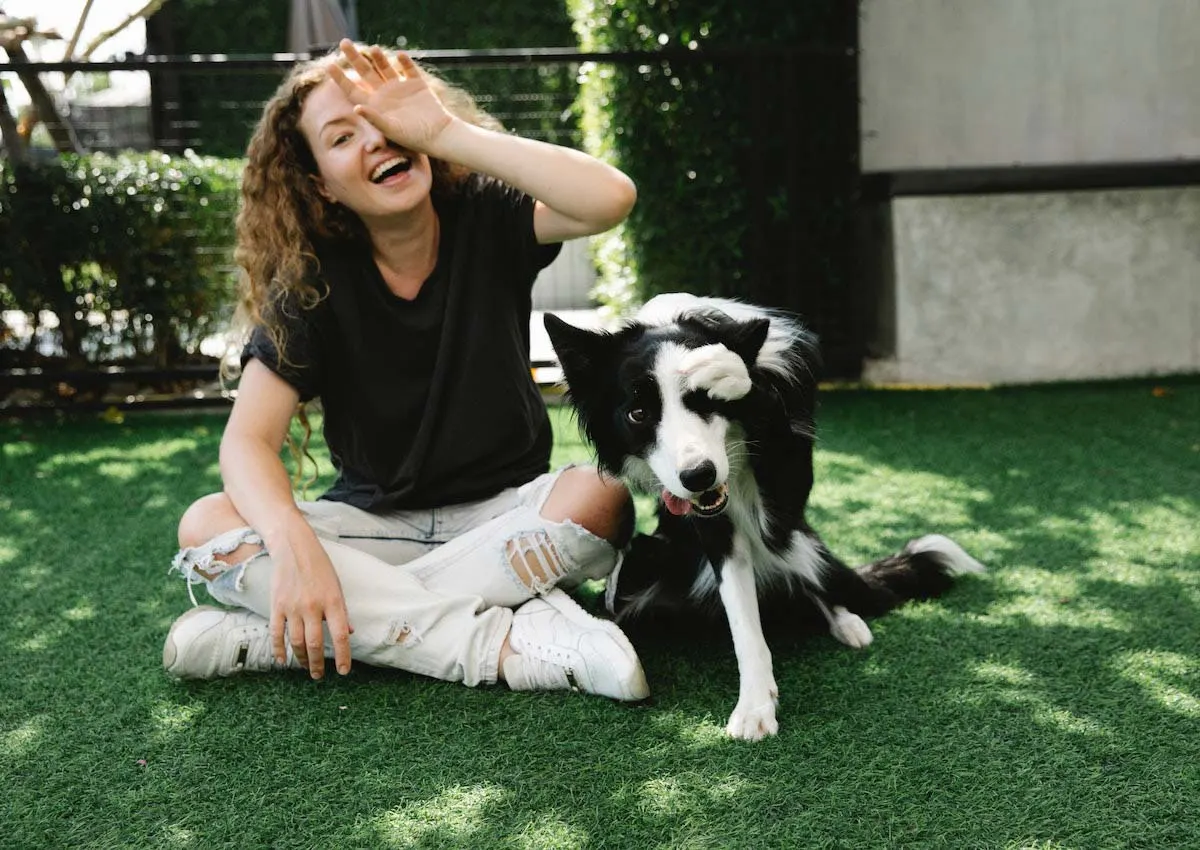
Staring into a dog’s eyes might seem harmless, but in the canine world, it’s often interpreted as a challenge or threat. Teach kids to avoid locking eyes with dogs, especially unfamiliar ones. Instead, they should focus on the dog’s body language and let the dog take the lead in making eye contact. This reduces misunderstandings and keeps interactions comfortable for both parties.
Be a Tree When Things Get Intense


If a dog gets too excited, jumps, or acts unpredictably, kids need a safety strategy. Teach them to “be a tree”: stand still, cross their arms, and look away. This tells the dog there’s no reason to keep jumping or playing rough. It’s an effective way to defuse high-energy moments while teaching kids not to react with fear or sudden movements, which can escalate the situation.
12 Dogs That Are A Disaster Waiting To Happen Around Kids


When it comes to choosing a dog for a family with kids, safety is a top priority. Some breeds, despite their charm, can be too risky to have around young children. From strong guarding instincts to unpredictable behavior, these dog breeds might not be the best choice for a household with kids. Of course, each dog is different and there are always exceptions, but better to play it safe than sorry!
Read it Here: 12 Dogs That Are A Disaster Waiting To Happen Around Kids
9 Dog Breeds Known For Their Gentle Nature With Kids


When it comes to picking a dog that’s great with kids, some breeds just have that natural, gentle touch. These dogs are patient, loving, and somehow manage to keep their cool even when the kids are bouncing off the walls. From their calm demeanors to their protective instincts, these breeds know how to handle the chaos of family life without missing a beat. If you’re looking for a dog that will fit right in with your little ones, these pups are pros at making sure everyone stays happy and safe.
Read it Here: 9 Dog Breeds Known For Their Gentle Nature With Kids
*Select images provided by Depositphotos.