


Dog food labels aren’t as straightforward as they should be. Manufacturers use tricks like ingredient splitting and vague terms to make low-quality food seem better than it is. If you’re not paying attention, you could end up feeding your dog more fillers than nutrition. Much like human food, understanding these labels is easier than it looks once you know what to focus on.


Ingredients are listed by weight


Dog food ingredients are ordered by weight, with the heaviest listed first. This means that if fresh meat is the first ingredient, it includes water content, which inflates its weight. Look further down the list for additional protein sources to ensure a high-quality, protein-rich food.
Look for named proteins


Named proteins like “chicken” or “salmon” indicate specific sources of protein, whereas vague terms like “meat meal” or “animal by-products” can include low-quality or unidentified meats. Knowing the exact protein ensures better quality and avoids potential allergens.
Watch for fillers


Fillers such as corn, soy, and wheat are often used to bulk up food cheaply but provide minimal nutritional benefits. These ingredients may lead to weight gain or allergies in some dogs, so it’s best to focus on formulas with higher-quality carbohydrates like sweet potatoes or peas.
Avoid artificial additives


Additives like BHA, BHT, and artificial colors or flavors are common in lower-quality foods and can pose long-term health risks, such as allergies or cancer. Opt for foods preserved with natural options like tocopherols (vitamin E) or rosemary extract.
Check for whole grains


Whole grains, including brown rice, oats, or barley, offer more fiber, vitamins, and minerals than refined grains like white rice or cornmeal. They promote better digestion, sustained energy, and a healthier coat, especially for active dogs.
Understand guaranteed analysis
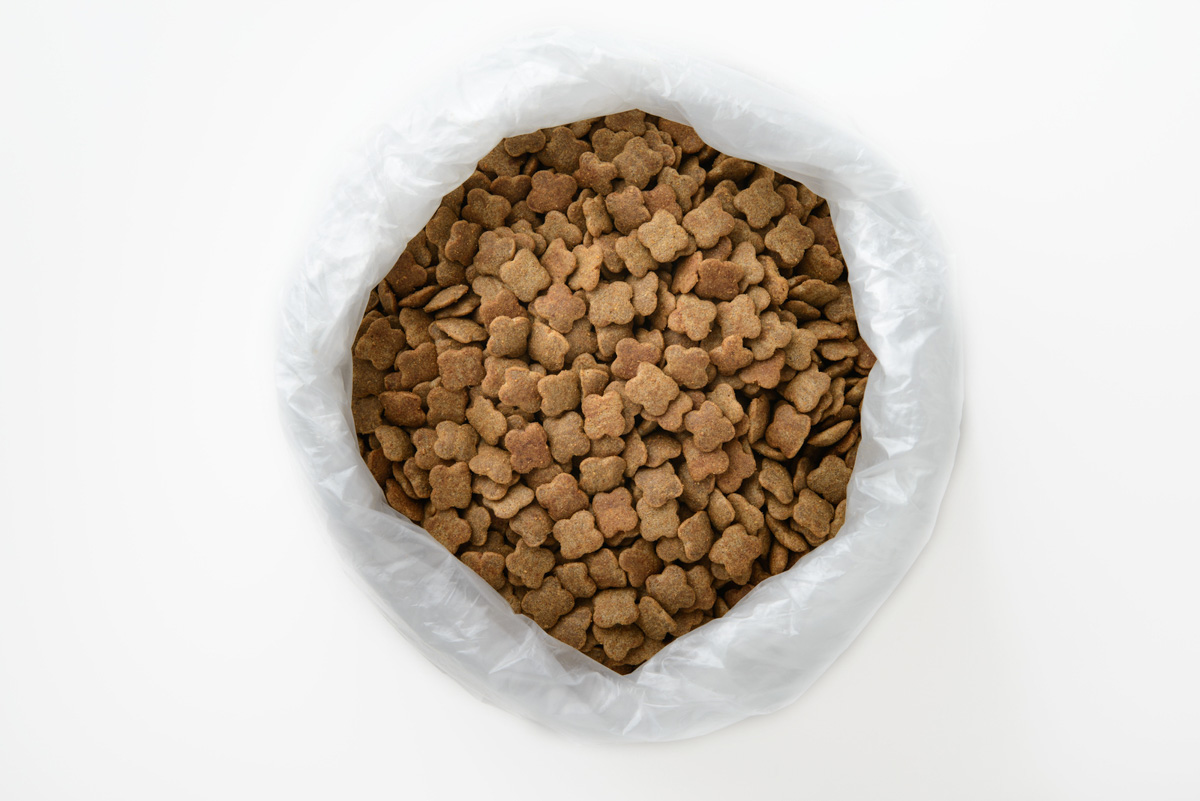

This section outlines the minimum protein and fat percentages, and maximum fiber and moisture levels. While helpful, it doesn’t indicate ingredient quality, so use it alongside the ingredient list to choose balanced and nutritious food.
Pay attention to calorie content


Knowing the calories per cup or kilogram helps control portion sizes and prevent overfeeding. Active breeds or working dogs need higher calorie counts, while less active dogs benefit from lower-calorie foods to maintain a healthy weight.
‘Complete and balanced’ matters


Food labeled as “complete and balanced” meets AAFCO standards, meaning it provides all the essential nutrients for a dog’s specific life stage. This certification is key to ensuring your dog gets the right nutrition without additional supplements.
Identify potential allergens


Common allergens like chicken, beef, dairy, or grains can cause issues like itching, digestive problems, or ear infections. If your dog shows signs of sensitivity, look for hypoallergenic formulas or limited ingredient diets to narrow down triggers.
Look for omega-3s and omega-6s


Fatty acids like omega-3 and omega-6 support healthy skin, a shiny coat, and brain function. Ingredients such as fish oil, flaxseed, or chia seeds are great indicators of their presence and can help with inflammation or seasonal allergies.
Beware of ingredient splitting


Some manufacturers split similar ingredients (e.g., “corn” and “corn gluten meal”) to make them appear further down the list. This tactic can make low-quality fillers seem less prominent while still contributing heavily to the food.
Natural doesn’t mean healthy


The term “natural” is not well-regulated and doesn’t guarantee quality or nutritional value. Always read the full ingredient list and look for certifications like organic or non-GMO if you’re seeking truly natural options.
Understand the life stage label


Foods are specifically formulated for puppies, adults, or seniors, with different nutrient levels for growth, maintenance, or aging. Feeding food not designed for your dog’s age can lead to imbalances and long-term health issues.
Rotational feeding is beneficial


Rotating between different protein sources or brands prevents over-reliance on a single ingredient, reducing the risk of developing sensitivities or nutrient deficiencies. It also keeps meals interesting for picky eaters.
10 Tips For Choosing The Best Dog Food


Choosing dog food these days feels like you need a degree in canine nutrition. The options are endless, and it’s almost as complicated as picking out your own groceries. Grain-free, organic, raw – who knew dog food could be so fancy? It’s enough to drive any dog owner nuts. But fear not, we’ve got the lowdown to help you cut through the nonsense. Here are 10 tips to help you choose the best dog food without going crazy.
Read it Here: 10 Tips For Choosing The Best Dog Food
10 Unnecessary Ingredients Hiding In Your Dog’s Food


Ever checked out the ingredients in your dog’s food and thought, what even is this stuff? You’re not alone. Many dog foods are loaded with unnecessary (and sometimes sketchy) ingredients that offer zero benefits for your pup. From fillers to artificial flavors, some of these extras are just there to cut costs, not to keep your dog healthy. Knowing what to look for can make a world of difference in choosing food that’s actually good for them.
Read it Here: 10 Unnecessary Ingredients Hiding In Your Dog’s Food
*Select images provided by Depositphotos.