


Even the most well-meaning dog owners can unintentionally create stress for their pets. Dogs are creatures of habit, highly tuned into their environment and routines. When things become unpredictable or overwhelming, they often react with anxiety or confusion. Understanding the habits that commonly contribute to canine stress is the first step toward creating a calmer, more secure environment for your dog.


Throwing Off Their Routine
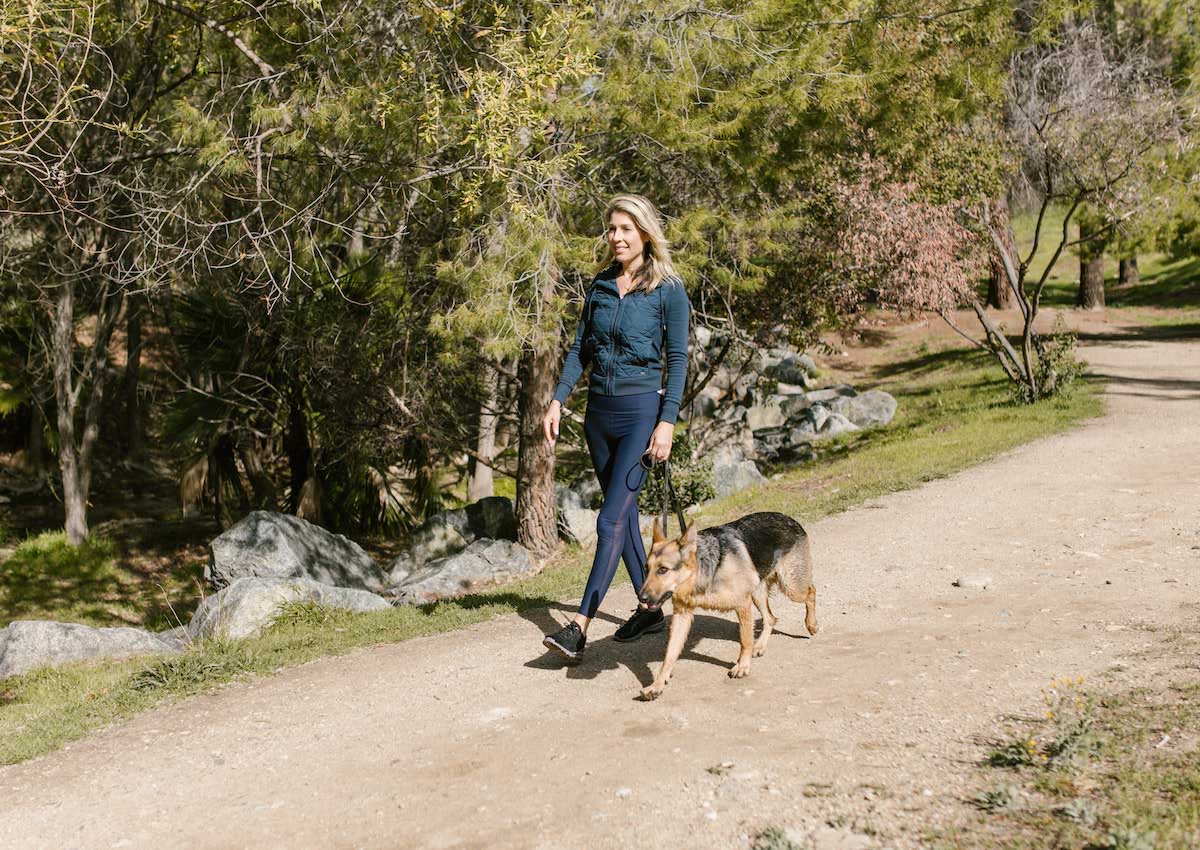

Dogs depend on structure to feel secure. When their daily schedule shifts constantly, it can leave them feeling uncertain and on edge. A consistent routine for meals, walks, playtime, and bedtime creates predictability, which helps your dog stay relaxed and well-adjusted. While life is not always perfectly timed, sticking to a general rhythm whenever possible can go a long way toward reducing your dog’s stress. Small efforts like feeding at the same time each day or maintaining a regular bedtime can provide the sense of stability your dog craves.
Skipping Daily Exercise


Physical activity plays a critical role in your dog’s mental and emotional health. A lack of exercise can cause frustration, restlessness, and even anxiety. Dogs that don’t have enough physical or mental stimulation may start acting out with destructive behaviors like chewing, digging, or excessive barking. Regular walks, interactive play, and mentally challenging toys can help your dog release pent-up energy and stay calm. Every dog has different activity needs, but daily movement should be a non-negotiable part of their care.
Leaving Them Alone for Too Long


Some dogs handle solitude better than others, but too much alone time can create stress in even the most independent pets. Long hours without interaction can lead to separation anxiety, which may show up as pacing, whining, accidents in the house, or destructive behavior. If your schedule keeps you away for extended periods, try to incorporate breaks where someone can check in on your dog. Hiring a dog walker, using a pet sitter, or enrolling them in dog daycare a few times a week can provide the social connection they need to feel more secure.
Ignoring Their Sensitivity to Noise


Dogs have far more sensitive hearing than humans, and loud or sudden sounds can easily overwhelm them. Common stressors include fireworks, thunderstorms, construction noise, vacuum cleaners, and even raised voices. If your dog seems anxious during noisy events—shaking, hiding, or trying to escape—it is important to give them a quiet, safe space where they can decompress. A designated room with soft bedding, white noise, or a covered crate can help reduce their stress and make them feel protected when their environment becomes too stimulating.
Skipping Socialization


Dogs need regular exposure to different people, animals, and settings to build confidence. When a dog has not been properly socialized, even routine outings can become overwhelming. They may react with fear, barking, or avoidance. While it might seem easier to keep them at home, limited social experience can increase anxiety over time. Gradually introducing your dog to new situations in a calm, positive way helps them learn to navigate the world without fear. Socialization should be for dogs of all ages, not just puppies.
Responding Harshly to Fearful Behavior


Fear is not something you can train out of a dog through punishment. When a dog shows signs of fear such as cowering, growling, or hiding, responding with scolding or physical correction only reinforces their anxiety. Instead, these moments require calm, steady support. Positive reinforcement, distance from the trigger, and reassurance can help build trust and teach your dog that they are safe. Fear-based behaviors are a signal that your dog needs help coping, not discipline.
Making Big Changes Without Support


Dogs notice when the household dynamic shifts. A new baby, a roommate moving in or out, or even changing your work schedule can disrupt their sense of normal. While these changes may seem manageable to you, they can cause a dog to feel unsettled or insecure. During transitional periods, maintain their routine as closely as possible, and provide extra attention and reassurance. Give them time to adjust gradually, and make sure they still have access to their familiar comforts like beds, toys, and personal space.
Sending Mixed Signals


Inconsistent rules and unclear expectations can lead to confusion and anxiety in dogs. If one day they are allowed on the couch and the next they are scolded for it, they have no reliable framework for understanding what is acceptable. Dogs thrive when boundaries are clear and consistent. Decide what behaviors are allowed and stick with those guidelines, both in words and actions. Consistent commands and responses help your dog understand their place in the household, which builds confidence and reduces stress.
Not Providing a Space to Decompress


Every dog needs a spot where they can relax without interference. A home that is constantly active, noisy, or crowded can overwhelm a dog who has nowhere to retreat. If your dog does not have access to a quiet, comfortable space where they feel safe, they may become anxious or reactive. Whether it is a crate, a quiet room, or a cozy corner of the house, having a place that is just theirs can be one of the most important tools for keeping your dog calm and balanced.
10 Dog Breeds That Are Surprisingly Prone To Anxiety

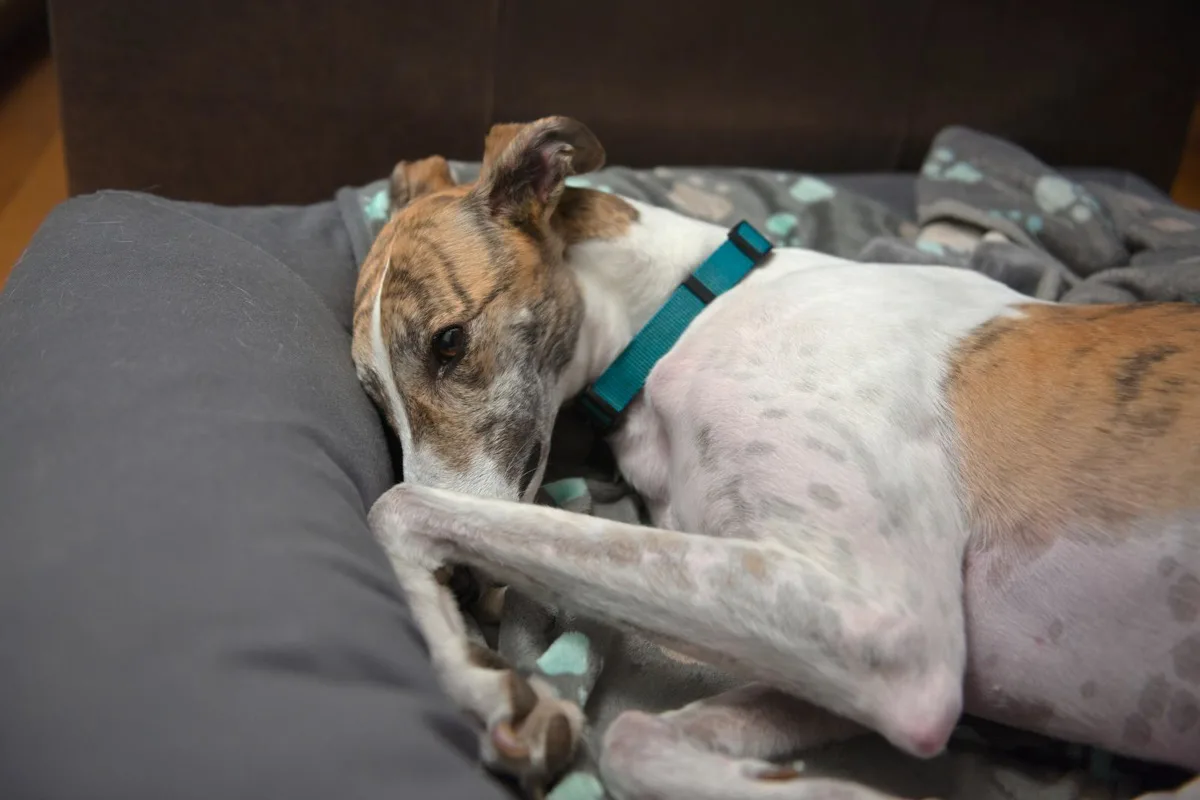
Not all dogs handle stress and change the same way, and some breeds are more prone to anxiety than others. This can be due to various factors, including their temperament, need for stimulation, and how they were raised. If you’re considering getting a dog, it’s important to know which breeds might need a little extra care and attention to keep their anxiety at bay. These dog breeds that might appear confident but are actually more prone to anxiety than you’d expect.
Read it Here: 10 Dog Breeds That Are Surprisingly Prone To Anxiety
15 Signs Your Dog Is Stressed Out and How To Calm Them Down


Dogs can get stressed out just like us, and sometimes it shows in the most unexpected ways. If your pup seems a bit off, it might be their way of telling you they need a little extra care. But don’t worry, we’ve got your back. Here are some of the clear signs your dog is stressed out and how to keep them calm.
Read it Here: 15 Signs Your Dog Is Stressed Out and How To Calm Them Down
*Select images provided by Depositphotos.