


Picking a dog based on looks or a favorite breed from childhood is a common mistake, but it can lead to major problems if you’re not ready for what that dog actually needs. Some breeds look adorable or have great reputations, but they come with serious challenges that first-time owners often underestimate. High energy, strong instincts, and a need for constant structure aren’t things you can wing as you go. If you’re not prepared to handle that, things can go south fast. These 15 breeds are not a good fit for beginners and are better suited to experienced owners who understand what it takes to train and manage a complex dog.


Belgian Malinois


Belgian Malinois are incredibly intelligent and full of energy, which makes them excellent working dogs but a tough fit for casual pet owners. They need advanced training, daily mental challenges, and a serious commitment to structure. Without that, they can become anxious, destructive, or even aggressive. These dogs thrive with handlers who know how to keep them focused and busy from morning to night.
Border Collie


Border Collies are often called one of the smartest breeds, but that intelligence comes with a need for constant engagement. They’re natural herders with endless energy and a brain that never shuts off. If they don’t get enough stimulation, they may start herding people, chasing cars, or tearing things up out of frustration. This is a dog that needs an owner who can stay one step ahead.
Rottweiler

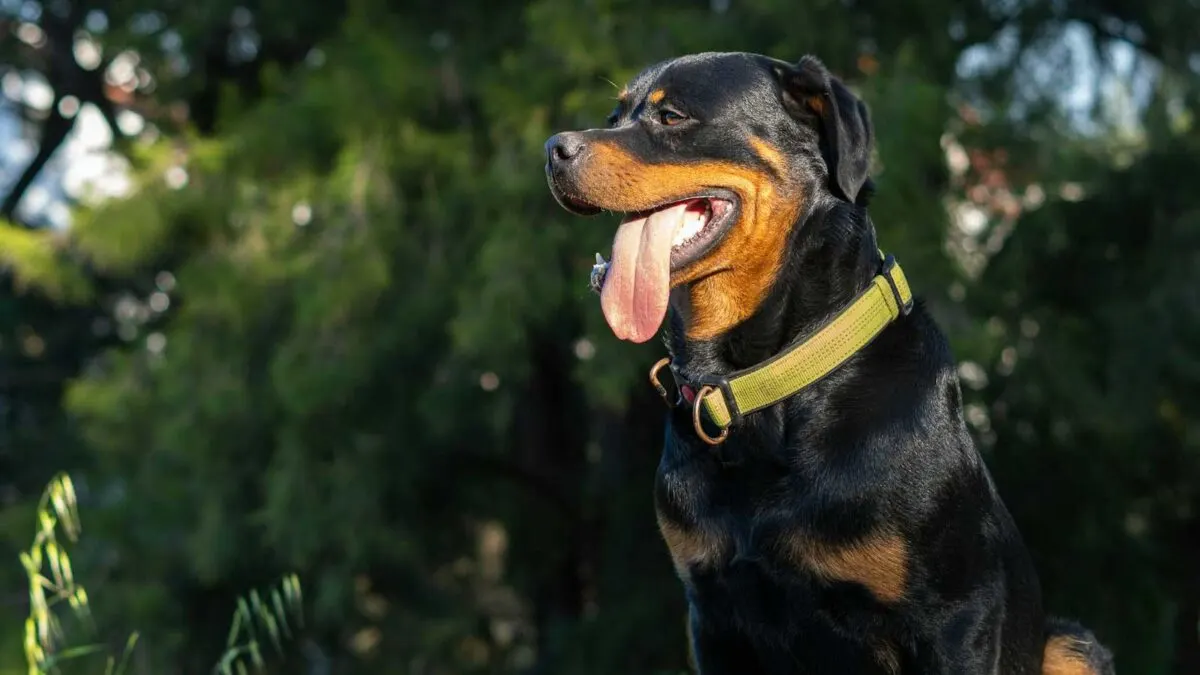
Strong, confident, and highly protective, Rottweilers demand a firm and consistent owner who understands how to handle dominant behavior. They can be incredibly loyal and obedient when properly trained, but if they sense weakness or inconsistency, they may take control. Without early socialization and ongoing training, their size and strength can make them difficult to manage in everyday situations.
German Shepherd


German Shepherds are highly capable and eager to work, but they require more than just obedience training. These dogs do best with a clear job, regular physical activity, and an owner who can maintain consistent expectations. Without a structured environment, they can become reactive or anxious, especially in households that lack leadership or experience with high-drive dogs.
Doberman Pinscher


Dobermans are intelligent, loyal, and alert, but they can also be intense and overly protective if not properly trained. These dogs need an owner who can build trust and establish authority through positive but firm training methods. Inexperienced owners may unintentionally encourage aggressive behavior by failing to set boundaries early on, which can lead to issues as the dog matures.
Siberian Husky


Huskies are known for their strong-willed personality and high energy. They’re bred to run for miles and think independently, which means they often ignore commands if they’re not in the mood to listen. Without consistent training and physical exercise, they may start escaping the yard, digging up the garden, or howling for attention. This is not a breed that adapts well to a laid-back lifestyle or hands-off approach.
Akita


Akitas are powerful dogs with a strong sense of independence. They form deep bonds with their families but can be aloof or aggressive toward strangers and other pets. Because of their dominant nature and territorial instincts, they require early socialization, steady leadership, and an owner who can enforce rules calmly but firmly. A novice dog owner may find it difficult to build trust with this breed while maintaining control.
Jack Russell Terrier


Don’t let the small size fool you, Jack Russells are packed with energy and attitude. They’re fearless, stubborn, and incredibly smart, which means they’ll find every loophole in your training if you’re not careful. These dogs need constant activity and creative engagement. Without it, they’ll find their own ways to stay busy, usually by destroying shoes or finding ways to escape the yard.
Weimaraner


Weimaraners are energetic, intelligent, and emotionally intense. They don’t do well when left alone for long stretches and can quickly develop separation anxiety or behavioral problems if they’re not properly exercised or mentally stimulated. These dogs need structure, boundaries, and a lot of interaction to stay balanced. An inexperienced owner may struggle to meet their needs without getting overwhelmed.
Australian Cattle Dog


This breed was developed to herd livestock across long distances, which means they have both the stamina and the mindset to stay busy all day. Australian Cattle Dogs are smart, driven, and often suspicious of strangers. They need a clear purpose and consistent training to avoid developing behavioral issues. Without enough outlets for their energy, they can become reactive, pushy, or even aggressive.
American Pit Bull Terrier


Pit Bulls are powerful dogs with a lot of strength and determination. When raised in the right environment, they can be loving and affectionate, but they require consistent, experienced handling to bring out their best qualities. In the wrong hands, poor training or lack of boundaries can lead to behavioral issues, especially around other animals. These dogs do best with an owner who knows how to set rules and stick to them.
Chow Chow


Chow Chows have a reputation for being aloof and stubborn, and they often prefer doing things on their own terms. Their strong-willed nature and wariness of strangers make early socialization and ongoing training essential. They don’t respond well to force or inconsistency, and inexperienced owners may find their independence frustrating. Without confident leadership, these dogs may simply stop listening altogether.
Cane Corso

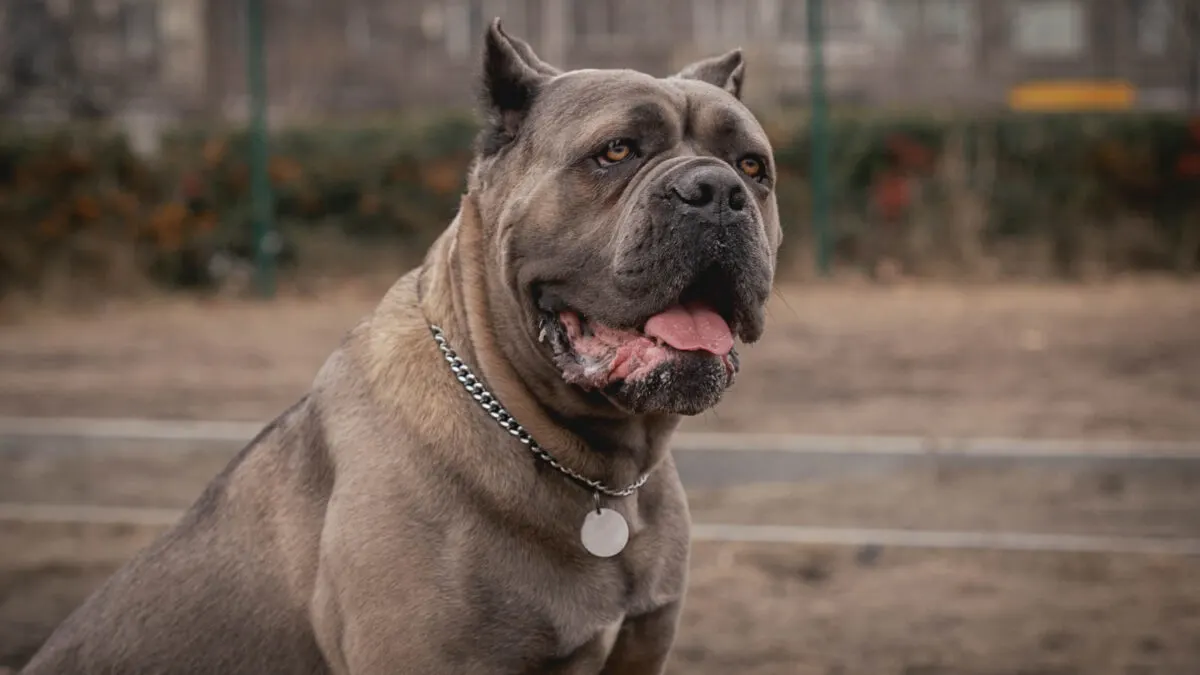
The Cane Corso is a powerful, imposing breed originally bred for guarding property and working alongside Italian farmers. They are intelligent and highly trainable, but their dominant nature and protective instincts require a confident, experienced handler. If not properly trained and socialized from an early age, they can become territorial or reactive, especially around strangers. This is not a breed for anyone unsure of how to establish boundaries and maintain control.
Basenji


Often called the “barkless dog,” the Basenji might seem like a low-maintenance choice at first glance, but their independence and cat-like attitude make them a challenge. They are smart, curious, and easily bored, which can lead to destructive behavior if they’re not mentally stimulated. Basenjis don’t respond well to traditional obedience training and tend to ignore commands if they don’t see the point. They require patience, creativity, and a deep understanding of canine behavior.
Alaskan Malamute


Similar to the Siberian Husky but even more powerful, the Alaskan Malamute is built for endurance and strength. They are pack animals with a stubborn streak and a strong prey drive, which can make them difficult to handle off-leash or around smaller animals. Without enough exercise and structure, they can become loud, pushy, and destructive. First-time owners often underestimate how much management and training it takes to live peacefully with this breed.
10 Unspoken Rules Of Dog Ownership Everyone Should Know


Owning a dog isn’t just about the cute Instagram photos—it comes with a few unspoken rules that can make or break your experience. Sure, your dog’s adorable, but that doesn’t mean they get a free pass on bad behavior, or that you can skip the basics. If you’re going to join the ranks of responsible dog owners, there are some things you need to know that no one’s going to tell you up front.
Read it Here: 10 Unspoken Rules Of Dog Ownership Everyone Should Know
10 Dog Breeds That Are Perfect for Introverts


Finding the right dog breed can make all the difference, especially for introverts who cherish their quiet time. Some dogs are just naturally better suited for a low-key, relaxed lifestyle. If you’re looking for a furry friend who loves to chill as much as you do, check out these dog breeds that are perfect for introverts.
Read it Here: 10 Dog Breeds That Are Perfect for Introverts
*Select images provided by Depositphotos.