


Dogs have a unique way of communicating through sounds that can sometimes seem a bit puzzling. Each little noise they make has its purpose, offering hints about their moods, needs, or even the things that excite or bother them. They’re not just vocalizing for fun—there’s often something they’re trying to tell us.


The Classic “Woof”
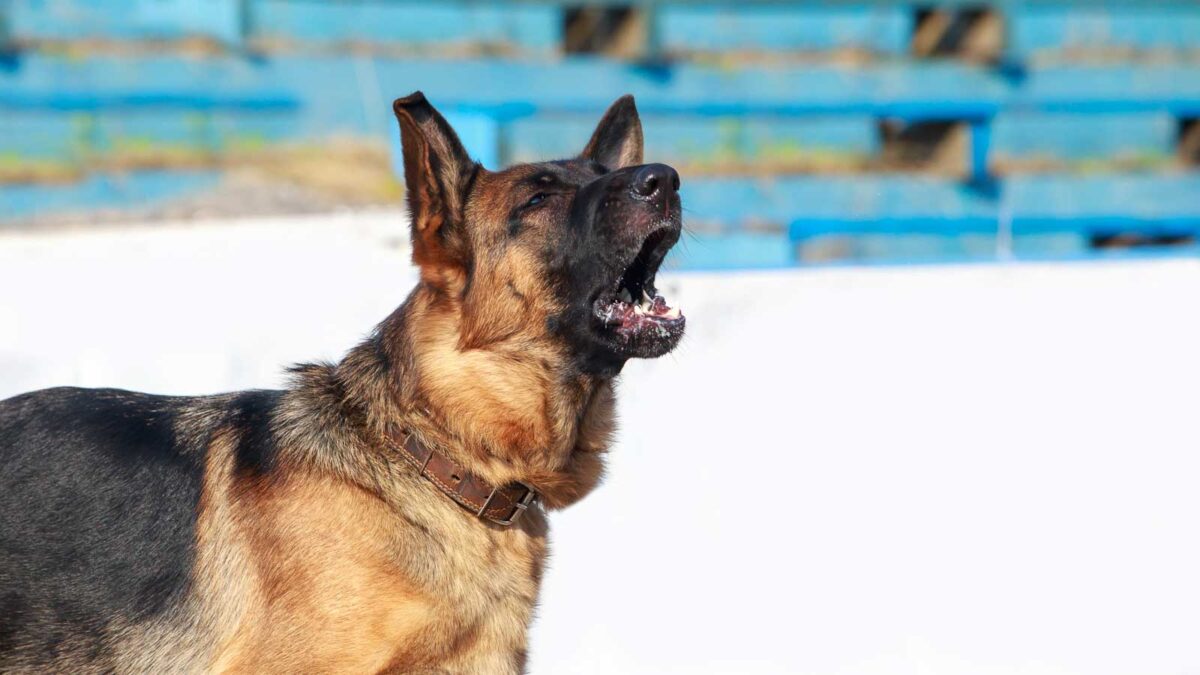

A single “woof” or sharp bark is often your dog’s way of alerting you to something they’ve noticed, like a passing stranger or an interesting sound outside. This bark is their version of an announcement, saying, “I’m on it!” or “Check this out!” It’s a straightforward sound, showing both confidence and curiosity, and is a reliable way for dogs to get your attention.
The Whine or Whimper


This high-pitched, drawn-out sound is often used to convey longing, discomfort, or a request for attention. Whining can mean anything from “I want something” to “I’m feeling a bit insecure here.” Dogs know we’re responsive to this sound, and they’re quick to use it to tug at our emotions. In many cases, it’s a way for them to seek comfort or express mild frustration, showing their reliance on us for reassurance.
The Dramatic Sigh


That deep, exaggerated sigh is not just a random sound; it’s often a sign of relaxation or mild disappointment. When dogs sigh, they’re expressing something between contentment and resignation, as if to say, “I’m comfortable now” or “Guess I’ll wait.” This sound is a great insight into their mood, subtly letting you know they’re winding down or accepting a change of plans.
The Huff or “Chuff”


This quick exhale through the nose is a sound dogs use to express frustration or impatience. It’s a low-level alert, often signaling a need for attention or a minor annoyance. Dogs huff when they’re restless or slightly irritated, as if saying, “Are we doing this or not?” It’s a sound that usually calls for acknowledgment or redirection.
The Snort or Snuffle


Snorting happens when dogs are engaged with something intensely, often investigating a scent. It’s usually accompanied by enthusiastic sniffing and demonstrates focused curiosity. Snorting is a sign that they’re intrigued and fully immersed, saying, “This is worth checking out!” or “I’m onto something here.” It reflects their instinctive urge to explore through smell, often triggered by an intriguing scent trail.
The Howl


Howling is a deeply rooted instinct in dogs, passed down from their wolf ancestors. When they howl, they’re often responding to distant sounds, like sirens or other dogs. This vocalization is a form of communication, either a call to distant “pack members” or a reply to sounds that pique their attention. Howling shows their sense of connection and serves as a reminder of their natural instincts to locate and communicate over long distances.
The Low Growl


A low growl, while sometimes intimidating, isn’t always aggressive; it’s often a warning or expression of discomfort. Dogs use this sound as a polite way to say “Please keep your distance” or “I’m not comfortable with this.” It’s their way of setting boundaries, especially in situations they find unsettling. This sound is one of their primary means of letting us know when they feel uneasy.
The Grumble or “Talking” Growl


Some dogs produce a friendly, rumbling growl that’s more like a “talking” sound than a warning. It’s a soft, vocal expression that reflects contentment or social engagement, almost as if they’re joining in on a conversation. This low-level growling is usually accompanied by relaxed body language and shows their unique personality, conveying warmth and a sense of companionship rather than confrontation.
The Bark-Chirp Combo


Dogs sometimes combine a bark with a high-pitched “chirp,” especially when they’re excited but not quite barking in a full-throated way. This sound is often used to express eagerness or anticipation, saying, “This is exciting!” or “Let’s do this!” The bark-chirp combo is a sound full of energy and enthusiasm, showing that they’re fully engaged and ready for whatever comes next.
The Reverse Sneeze


Reverse sneezing is a somewhat unusual sound caused by a quick intake of breath that results in a snorting noise. It may sound alarming, but it’s often harmless and can happen when dogs are excited, irritated by dust, or simply experiencing a tickle in the throat. This sound is usually short-lived and often followed by a quick return to normal breathing. It reflects their sensitivity to environmental changes and usually requires no intervention.
The Yawn with a Whine


A yawn paired with a soft whine is often a sign of mild stress or anxiety. It’s a subtle way for dogs to self-soothe, saying, “I’m feeling a bit overwhelmed here.” This sound may happen in situations that make them uneasy or in response to new environments. The yawn-whine combination can be a useful signal that your dog may need a bit of reassurance or a break.
7 Strategies For Managing A Dog That’s Afraid Of Loud Noises


When it comes to loud noises like fireworks or thunderstorms, some dogs react as if the sky is falling. It’s no fun for them, and honestly, it’s no fun for us either. Whether they’re trembling, hiding, or pacing around the house, managing a noise-sensitive dog can be tricky. But before you resign yourself to every loud event being a total disaster, there are some smart strategies you can use to ease your dog’s anxiety and make these situations more manageable.
Read it Here: 7 Strategies For Managing A Dog That’s Afraid Of Loud Noises
A Dog’s Hearing Is 4X Better Than Ours & They Can’t Stand These 12 Noises


Dogs can hear things four times better than we can, so imagine how loud certain sounds must be for them. What’s just a mildly annoying noise to us can be like a full-on concert in their ears. While some dogs can shake off sounds without a care, others act like the world is ending when they hear a vacuum or a siren. And who can blame them? With their super-sensitive hearing, it’s no wonder some noises make them want to bolt. Here are some sounds that drive dogs up the wall and are best to try and minimize if possible.
Read it Here: A Dog’s Hearing Is 4X Better Than Ours & They Can’t Stand These 12 Noises