


When it comes to loud noises like fireworks or thunderstorms, some dogs react as if the sky is falling. It’s no fun for them, and honestly, it’s no fun for us either. Whether they’re trembling, hiding, or pacing around the house, managing a noise-sensitive dog can be tricky. But before you resign yourself to every loud event being a total disaster, there are some smart strategies you can use to ease your dog’s anxiety and make these situations more manageable.


Create a Safe Space


Designating a safe, quiet area where your dog can retreat during loud events like thunderstorms or fireworks gives them a sense of security. This space could be a cozy corner, a crate with a blanket draped over it, or even a room with minimal windows. Adding familiar items like their bed, toys, or even a piece of your clothing can provide comfort. Creating this “safe zone” gives your dog control over their environment, which can greatly reduce anxiety during noisy situations.
Use Calming Aids


Calming aids, such as pheromone diffusers, calming treats, or anxiety wraps, can provide your dog with a sense of calm during high-stress times. Products like Adaptil (which mimics natural calming pheromones) or ThunderShirts (which apply gentle pressure, like a hug) can be effective in reducing stress. These aids work best when combined with other comforting strategies. Always consult with your vet to ensure the right approach for your dog’s specific needs, especially if using supplements or medications.
Desensitization Training


Desensitization involves gradually exposing your dog to the sounds that trigger their fear—like thunderstorms or fireworks—in a controlled environment. Start by playing recordings of these sounds at a very low volume while engaging your dog in a fun activity like playing or giving treats. Over time, as your dog becomes more comfortable, slowly increase the volume. This method, combined with positive reinforcement, helps teach your dog that these sounds aren’t something to fear. Patience is key here—progress might take time but can significantly help.
Distract With Positive Activities
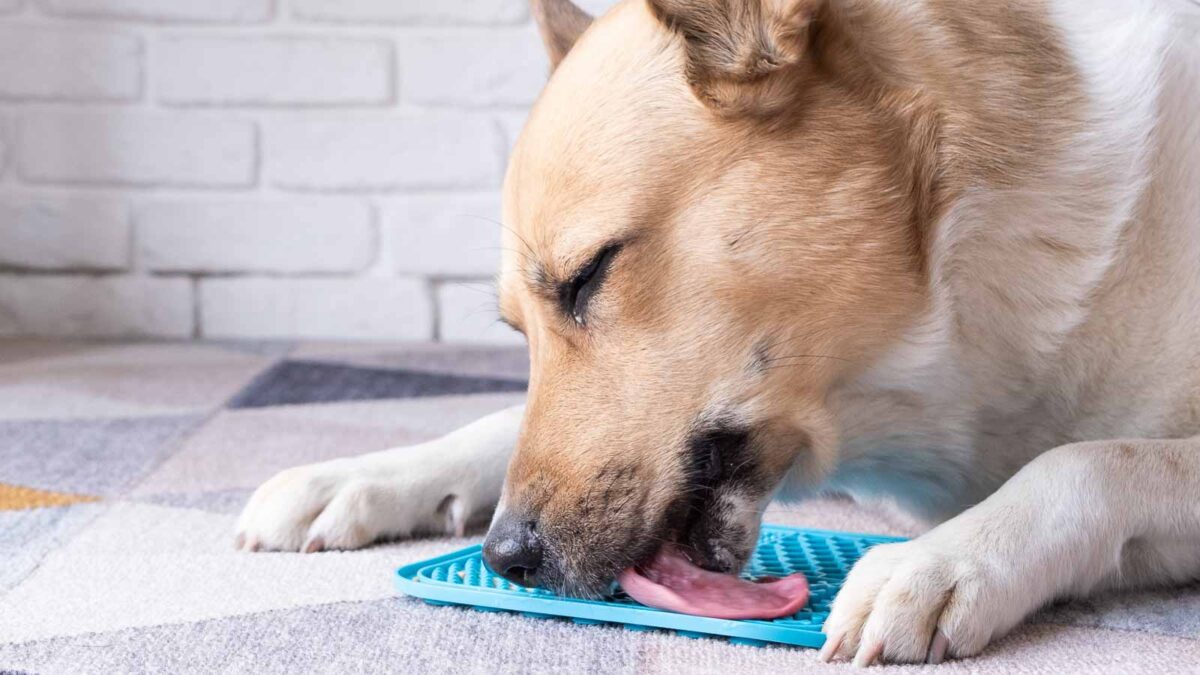

When loud noises occur, redirecting your dog’s attention can be a helpful way to break the focus on their fear. Offering engaging toys like treat-dispensing puzzles or chew toys can keep their minds occupied. High-value treats or a favorite game can work as distractions, giving them a more positive experience to focus on. By associating these noises with something enjoyable, you can help decrease the intensity of their fear response. Timing is crucial—offer the distraction just before or as the noise starts for the best effect.
Stay Calm and Comforting


Your dog looks to you for cues, especially during stressful situations. If you remain calm and composed, they’re more likely to feel secure. Avoid being overly reactive to their fear, as this could reinforce their anxiety. Instead, try offering calm reassurance, petting them gently, or just being physically present. Your soothing tone and demeanor can go a long way in helping them feel safe. However, be careful not to overdo it—sometimes too much attention can accidentally reinforce their fear. It’s all about striking a reassuring yet calm balance.
Consult Your Vet About Medication


In severe cases, your vet may recommend medication to manage your dog’s noise-related anxiety. Anti-anxiety medications or sedatives may be prescribed to help your dog cope during particularly stressful events like fireworks on the Fourth of July. These medications are typically a short-term solution and are best used alongside training or behavior modification techniques. This option should be reserved for extreme cases where other methods haven’t worked. Be sure to discuss any potential side effects or long-term impacts with your vet before starting.
Soundproofing Your Home


Soundproofing techniques can be an effective way to reduce your dog’s exposure to loud noises. Simple changes like adding heavy curtains, rugs, or moving your dog to a quieter room with fewer windows can help block or dampen the sound. Using white noise machines, fans, or calming music can further mask the noise and create a more peaceful environment. Creating a quieter space allows your dog to relax more easily during stressful events like thunderstorms, helping to lessen their fear and create a sense of normalcy.
8 Ways to Keep Your Dog Calm During Thunderstorms


Thunderstorms can turn even the calmest dogs into anxious wrecks. If your dog starts pacing, whining, or hiding under the couch at the first rumble, you’re not the first dog owner to not know how to comfort them. Keeping your dog calm during a storm isn’t always as easy as saying “it’s just noise,” but there are some tricks that might actually help get your pup through the next storm without going into full panic mode.
Read it Here: 8 Ways to Keep Your Dog Calm During Thunderstorms
9 Ways To Make Vet Visits Less Stressful For Your Dog (And You)


Vet visits can be stressful for both dogs and their humans, but they don’t have to be a total nightmare. Sure, your dog might think it’s the end of the world when they walk through those clinic doors, but with a few clever tricks, you can turn the whole experience into something much less chaotic. Here’s how to keep things low-key and make them as comfortable as possible on your next visit.
Read it Here: 9 Ways To Make Vet Visits Less Stressful For Your Dog (And You)