


Your dog’s life is already pretty good, but small changes can make it even better. They don’t need fancy toys or gourmet meals, just a little more variety, engagement, and comfort. Simple adjustments to how they play, eat, and move can keep them healthier, more confident, and less bored. Some of these changes take almost no effort but have a big impact on their physical and mental well-being.


Rotate Their Toys Instead of Leaving Them All Out


Dogs get bored with the same toys every day. Rotating a few different ones every week keeps them engaged, stimulates their brain, and makes old toys feel new again. This prevents boredom without needing to constantly buy new ones.
Let Them Solve Simple Problems Instead of Always Helping


If your dog’s toy rolls under the couch, don’t grab it immediately. Let them try different ways to retrieve it before stepping in. Problem-solving builds confidence, reduces frustration, and keeps their mind sharp.
Incorporate Different Walking Speeds and Surfaces


Walking at the same pace on the same path every day limits their experience. Switching up speeds, letting them walk on grass, gravel, or sand, and exploring new areas strengthens their muscles, improves coordination, and makes walks more engaging.
Let Them Sniff Specific Objects with Purpose
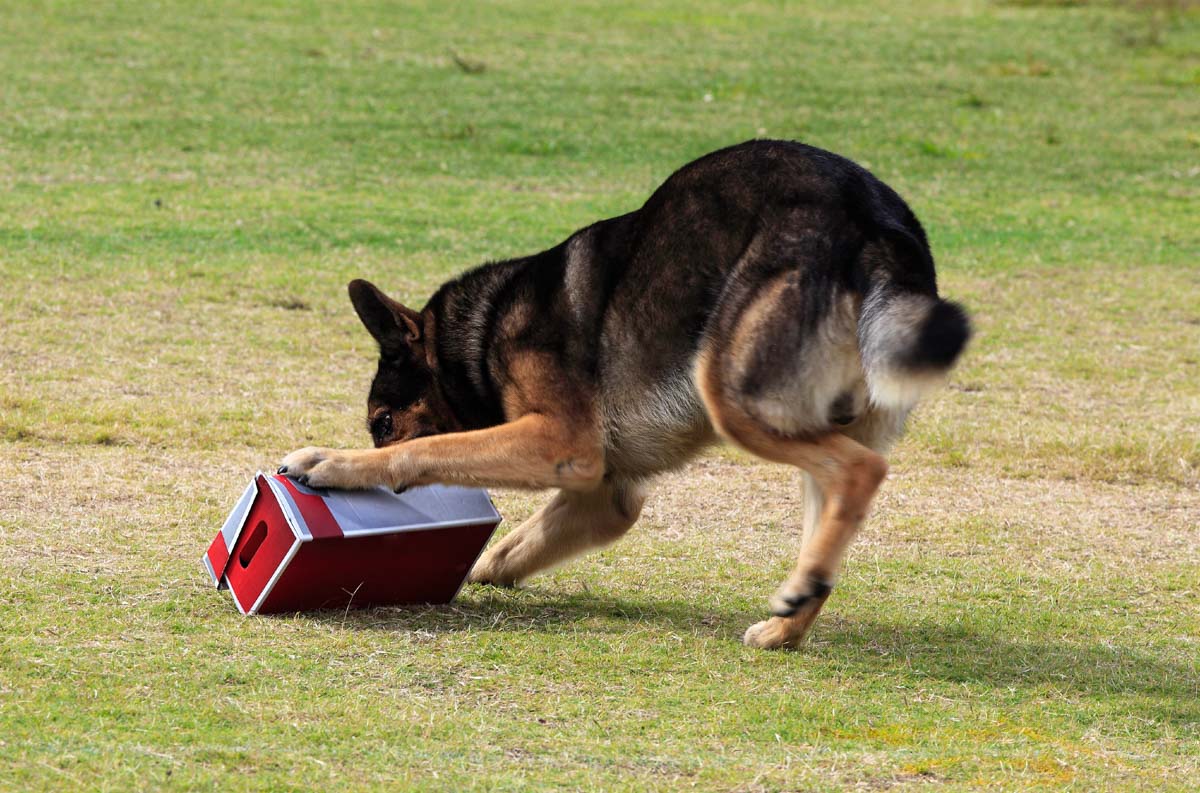

Instead of rushing past everything, introduce an object (like a tree, bush, or new scent on a walk) and let them focus on it. Purposeful sniffing reduces stress, strengthens their sense of smell, and satisfies their natural curiosity.
Add a Warm-Up and Cool-Down to Playtime


Going from zero to full-speed play increases the risk of injury. Starting with gentle movement like stretching or a slow walk before intense running and ending with a calm cool-down prevents stiffness and promotes long-term joint health.
Introduce Different Scents Into Their Environment


Dogs experience the world through their nose, and new scents keep their minds engaged. Bringing in natural smells like fresh herbs, a piece of wood from outside, or a dog-safe essential oil on their bedding can provide mental stimulation. This small change keeps their brain active and prevents sensory boredom.
Offer Different Textures for Sleeping Areas


Dogs have different comfort preferences depending on their age, size, and health. Providing a mix of soft beds, firmer mats, and cooler surfaces lets them choose the best spot based on their needs that day, improving sleep quality.
Encourage Gentle Tug-of-War Instead of Discouraging It


Tug-of-war, when played with rules, strengthens your bond, builds muscle, and improves impulse control. Let them win sometimes, but also teach them to release on command to keep the game balanced and engaging.
Give Them Controlled Independence in the Home


Allowing them to make small choices, like choosing which door to go through or which bed to sleep in, gives them a sense of control. Independence lowers anxiety and builds confidence, especially for nervous dogs.
Play Hide-and-Seek Instead of Just Fetch


Hide-and-seek forces your dog to use their nose, brain, and body to find you. This taps into their natural hunting instincts, makes playtime more interactive, and strengthens their ability to focus and problem-solve.
10 Tips to Keep Your Senior Dog Happy and Healthy


As dogs get older, they need a bit more care to stay happy and healthy. Simple changes in their routine can make a big difference in their well-being. From adjusting their diet to ensuring they get gentle exercise, there are plenty of ways to help your senior dog thrive. Here are some practical tips to keep your aging pup in great shape.
Read it Here: 10 Tips to Keep Your Senior Dog Happy and Healthy
12 Signs Of A Happy Dog


Dogs have their own unique language for telling us how they feel, and when they’re happy, it’s impossible to miss. From playful antics to those quiet moments where they just lean into you, dogs have a way of letting us know when life is good. Dogs have their own unique language for showing us how they feel, and when they’re happy, it’s usually pretty clear.
But what exactly does happiness look like in dogs? Dog behavior can be complex, and sometimes it’s hard to tell if your pup is feeling on top of the world or just having an off day. According to experts, while “happy dogs look happy,” understanding those signs often depends on knowing your dog’s personality. After all, you’re the one who knows them best. Whether it’s those wild zoomies around the house or a simple contented sigh, recognizing the signs of happiness in your dog can help you ensure they’re living their best life.
Read it Here: 12 Signs Of A Happy Dog