

Dogs don’t need luxury beds or gourmet treats to live well, but they do thrive when their everyday needs are met with some intention. Most of what makes a dog happy comes down to how their day feels, not how fancy their collar, bed or leash is. When their routine supports both their body and their mind, they become infinitely happier. Improving your dog’s quality of life doesn’t require a major lifestyle overhaul. You can do it with just a few small, consistent changes.


Build a break into their day for movement and connection


Dogs weren’t made to lie around all day waiting for dinner. Adding a short walk, backyard play session, or even ten minutes of tug can completely shift their mood. It gives them a release for bottled-up energy and reminds them they’re not just background noise in your schedule. Even on busy days, a small window of focused activity can prevent a lot of frustration-driven behavior later.
Keep their toys feeling new without buying more stuff


Instead of leaving every toy out all the time, rotate a few at once and stash the rest away. When you bring old ones back out, your dog will treat them like brand new. This keeps play interesting without constant spending and gives your dog something to look forward to. It also helps prevent boredom from settling in when everything feels too familiar.
Add mental work alongside physical exercise


A tired dog isn’t just one that’s run around, it’s one that’s had to think. Short training sessions, learning a new trick, or even practicing basic commands give their brain a workout. This kind of mental engagement builds confidence and keeps their focus sharp, especially for dogs that crave structure. Five focused minutes can be more satisfying than an hour of wandering around the yard.
Change the scenery whenever you can
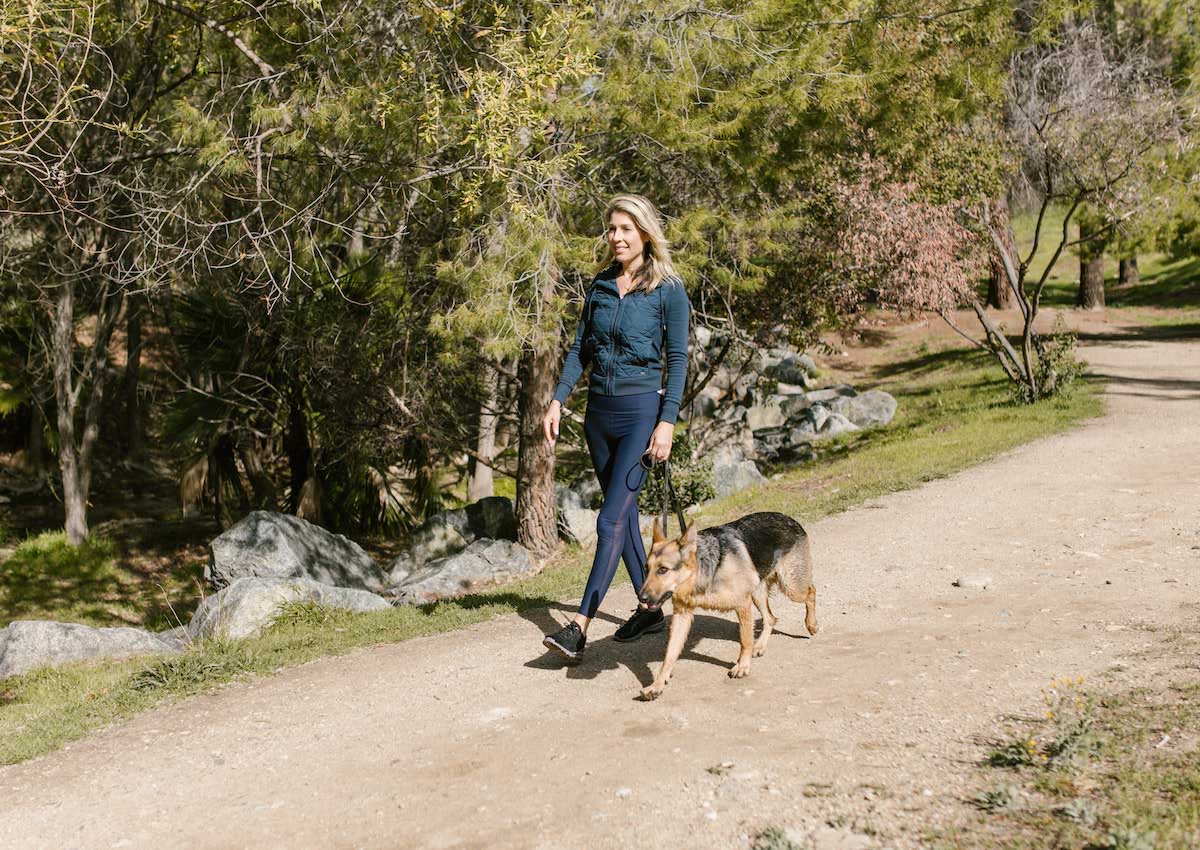

Walking the same route every single day can turn something exciting into something forgettable. Taking a different street, exploring a new park, or even reversing your usual loop exposes your dog to new smells and sights that naturally stimulate their mind. Those little changes turn routine walks into something that actually feels like an experience.
Turn meals into something they can work for


Instead of dumping food into a bowl and walking away, use puzzle feeders or scatter their food so they have to search for it. This slows down fast eaters and gives your dog something engaging to focus on. It also taps into natural foraging instincts that dogs still carry with them, even in the most modern homes.
Make grooming part of comfort, not just maintenance


Brushing, wiping paws, or checking ears doesn’t have to feel like a chore for either of you. When done calmly and regularly, it becomes a quiet bonding moment that helps your dog feel cared for and secure. It also gives you a chance to notice changes early, like skin irritation or soreness, before they become bigger issues.
Use sound to shape their environment


Dogs are sensitive to noise in ways we often overlook. Soft background music or white noise during quiet hours can help reduce anxiety, especially for dogs that struggle with outside sounds or being alone. A calmer environment often leads to better rest, which affects everything from mood to behavior.
Give them a place that truly feels like theirs


Every dog benefits from having a spot where they can relax without being bothered. Whether it’s a bed in a quiet corner or a crate they enjoy, that personal space helps them reset when things get busy or overwhelming. Knowing they have a safe place to retreat to can make them more confident in the rest of the home too.
Be intentional about play instead of leaving it random


Structured play like fetch, tug, or hide-and-seek creates more than just exercise. It builds communication and trust between you and your dog. When play has a clear start and finish, it helps dogs understand boundaries while still having fun, which leads to better behavior outside of playtime too.
Let their nose do the heavy lifting sometimes


Dogs experience the world primarily through scent, yet many never get the chance to truly use it. Hiding treats, playing scent games, or letting them take their time sniffing on walks gives them mental satisfaction that running alone can’t match. Nose work builds confidence and gives anxious dogs something productive to focus on.
Keep their daily rhythm predictable


Dogs feel more secure when they know what to expect. Feeding, walking, and bedtime happening around the same time each day helps reduce stress and prevents anxious behavior. A predictable routine doesn’t mean boring, it means your dog can relax because they trust what comes next.
Make room for healthy social interaction


Some dogs love dog parks, others prefer a quiet playdate or simply meeting friendly neighbors on walks. Either way, positive social experiences help dogs stay balanced and confident. Social time gives them mental stimulation and teaches them how to navigate the world calmly instead of reacting to it.
10 Tips to Keep Your Senior Dog Happy and Healthy


As dogs get older, they need a bit more care to stay happy and healthy. Simple changes in their routine can make a big difference in their well-being. From adjusting their diet to ensuring they get gentle exercise, there are plenty of ways to help your senior dog thrive. Here are some practical tips to keep your aging pup in great shape.
Read it Here: 10 Tips to Keep Your Senior Dog Happy and Healthy
12 Signs Of A Happy Dog


Dogs have their own unique language for telling us how they feel, and when they’re happy, it’s impossible to miss. From playful antics to those quiet moments where they just lean into you, dogs have a way of letting us know when life is good.Dogs have their own unique language for showing us how they feel, and when they’re happy, it’s usually pretty clear.
But what exactly does happiness look like in dogs? Dog behavior can be complex, and sometimes it’s hard to tell if your pup is feeling on top of the world or just having an off day. According to experts, while “happy dogs look happy,” understanding those signs often depends on knowing your dog’s personality. After all, you’re the one who knows them best. Whether it’s those wild zoomies around the house or a simple contented sigh, recognizing the signs of happiness in your dog can help you ensure they’re living their best life.
Read it Here: 12 Signs Of A Happy Dog
*Select images provided by Depositphotos.