

For most of history, dogs weren’t pets, they were markers of status. Certain breeds lived entirely within palace walls, owned only by kings, queens, and emperors who used them to signal power, wealth, and refinement. These dogs weren’t available to the general public, and in some cultures, owning one without permission came with serious consequences. Their roles varied from lap companions to hunters and guardians, but access to them remained tightly controlled. Long before dog parks and pet beds, these breeds lived lives shaped by privilege and exclusivity.


Pekingese
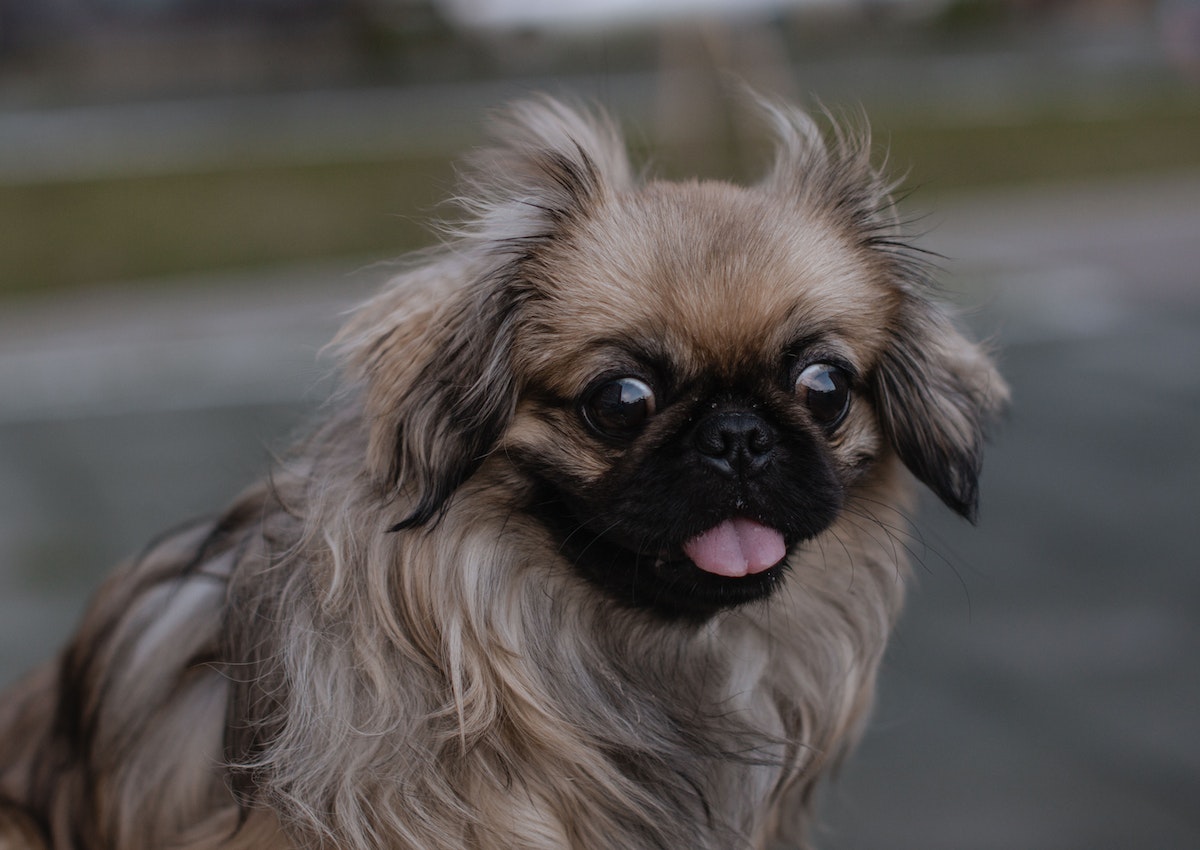

For centuries, the Pekingese existed almost entirely behind palace walls in imperial China. These dogs weren’t simply favored by royalty, they were legally restricted to it, and ownership outside the imperial family could come with serious consequences. Their distinctive lion-like appearance wasn’t accidental, since they were bred to symbolize strength and protection in a compact form. Palace staff were assigned to care for them, and they were often carried rather than walked, reinforcing just how elevated their status really was.
Cavalier King Charles Spaniel


This breed’s connection to royalty is right there in the name, thanks to King Charles II of England, who was rarely seen without one nearby. Cavaliers became fixtures in royal courts across Europe, valued for their affectionate nature and calm presence rather than any working ability. They were bred specifically to be companions, content to sit quietly during long court proceedings or travel alongside nobility. Their popularity among aristocrats made them a symbol of refinement and privilege for generations.
Shih Tzu


Shih Tzus were bred exclusively for Chinese emperors and their families, living their entire lives inside palace complexes. They weren’t expected to hunt or guard or perform tasks, since their sole role was companionship. Their flowing coats and rounded faces were intentionally developed to resemble traditional Chinese lions, which were associated with protection and good fortune. These dogs were so closely tied to the imperial court that the breed nearly disappeared after the fall of the Chinese monarchy.
Chow Chow


Chow Chows held a unique position in ancient China, where they were kept by emperors as both companions and guardians. Their imposing appearance and aloof temperament made them well suited for palace life, where loyalty and watchfulness mattered as much as aesthetics. Unlike many lapdogs of royalty, Chows were expected to serve a purpose while still reflecting status. Their presence within royal compounds reinforced power, wealth, and authority rather than simple affection.
Papillon


European nobility embraced the Papillon as a fashionable companion, especially within French and Spanish royal courts. These dogs appear frequently in Renaissance portraits, often seated on laps or perched beside queens and princesses. Their small size made them easy to carry through palaces, while their alert nature added a sense of liveliness to otherwise formal settings. Owning a Papillon was about elegance and visibility within elite social circles.
Lhasa Apso


In Tibet, Lhasa Apsos were closely associated with royalty and religious leaders, particularly within monasteries and palaces. They served as indoor sentinels, alerting occupants to intruders while larger dogs guarded the outer grounds. Their long coats and confident demeanor reflected prosperity and spiritual significance. These dogs were rarely sold and were often given only as diplomatic gifts, reinforcing their role as symbols of respect and high standing.
Pharaoh Hound


Pharaoh Hounds trace their legacy back to ancient Egypt, where dogs resembling them appear in tomb paintings and carvings tied to nobility. They were associated with elite hunters and high-ranking officials, valued for their speed, grace, and keen senses. Their sleek appearance and upright posture matched the aesthetics of Egyptian royalty, where symmetry and elegance mattered deeply. Ownership was closely tied to status rather than necessity.
Japanese Chin


Japanese Chin were bred specifically for imperial courts, where they were treated more like members of the household than traditional dogs. Their role centered on companionship, entertainment, and visual appeal, often spending their days indoors among nobles. They were exchanged as gifts between royal families, further elevating their prestige. Their delicate features and cat-like behavior made them especially appealing in refined palace environments.
Greyhound


Across medieval Europe, Greyhounds became closely tied to nobility through strict hunting laws. In some regions, commoners were forbidden from owning them, since the breed was reserved for royal hunting parties. Their speed and elegance made them ideal for coursing game, a pastime associated almost exclusively with the elite. Over time, Greyhounds came to symbolize wealth, power, and privilege, appearing frequently in art alongside kings and queens.
Irish Wolfhound


Irish Wolfhounds were historically owned by kings and chieftains, prized for their size, strength, and loyalty. They played a role in hunting large game and defending royal lands, making them both practical and symbolic. These dogs were often given as diplomatic gifts to foreign rulers, which further cemented their association with power and prestige.
10 Historical Facts About Dogs That Will Surprise You


Dogs have been our loyal companions for thousands of years, but their history is filled with some fascinating and surprising stories. From ancient Egypt to World War I, dogs have played important roles in various cultures and events. Check out these amazing historical facts about dogs that will give you a new appreciation for our four-legged friends. You won’t believe some of the incredible things they’ve done!
Read it Here: 10 Historical Facts About Dogs That Will Surprise You
The 10 Most Overlooked Dog Breeds That Make Amazing Pets


When it comes to picking a dog, most people go straight for the popular breeds—Labs, Golden Retrievers, and French Bulldogs. But what about the underdogs, literally? There are some seriously awesome breeds out there that get totally overlooked, even though they’d make amazing pets. If you’re looking for a dog that’s a bit off the beaten path and maybe a little less mainstream, these overlooked breeds might just be your perfect match.
Read it Here: The 10 Most Overlooked Dog Breeds That Make Amazing Pets