


Letting your dog off-leash sounds great until you’re the one sprinting across a field yelling their name while they chase a squirrel. Off-leash walking isn’t just about freedom. It’s about trust, consistency, and teaching your dog that staying close is actually worth it. Getting there takes work, but it doesn’t have to be a total mess. With the right approach and a little patience, you can train your dog to stick with you without needing a rope attached. These tips will help you get there without losing your mind or your dog.


Master the Basics First


Before your dog can handle being off-leash, they need to fully understand and respond to basic commands. Sit, stay, come, and heel are not optional, they’re an important foundation. Practice these until your dog listens consistently, even when you’re not holding a leash. If you skip this step, you’re setting yourself up for frustration later on. Reliable off-leash behavior starts with solid on-leash control.
Start With a Long Line for Controlled Freedom


Use a long training leash to give your dog more room to move while still maintaining control. This setup helps you simulate off-leash conditions without the risk of a full escape. You can practice recall, redirection, and walking together at a distance while keeping safety in place. It’s also a great way to gauge how much attention your dog pays to you when they aren’t right at your side.
Pick Safe, Low-Stress Practice Spots


The first few times you practice off-leash walking, choose quiet, enclosed spaces like fenced yards or tennis courts. You want to reduce the chances of distractions pulling your dog’s focus. As their skills improve, you can move to more open areas, but start where you can quickly step in if something goes wrong. This gives your dog a chance to build confidence while keeping both of you safe.
Make Recall the Most Fun Thing in the World


Your dog should think that coming back to you is always worth it. Use high-value treats, toys, or praise and practice recall frequently in different situations. Mix it into playtime and daily walks so it becomes automatic. Always reward them when they respond, even if it takes a second. The more positive you make returning to you, the more likely they’ll do it in high-pressure moments.
Keep Sessions Short and Focused


Dogs learn better when training sessions are short, clear, and consistent. Aim for five to ten minutes at a time, especially when working on staying close without a leash. That way your dog stays mentally engaged without getting overwhelmed or distracted. You can repeat the sessions throughout the day in different places to build up consistency.
Give Them Freedom in Small Steps


You don’t go from a leash to full freedom overnight. Start with short off-leash sessions in a controlled space and build from there. Increase distance gradually and only extend time off-leash when your dog is showing steady focus. Each step should feel like a small test that you know your dog is ready to pass. This helps prevent setbacks and teaches your dog that staying close is just part of the routine.
Use Rewards They Care About


Every dog has something they care about more than the rest. For some, it’s a special treat. For others, it’s a favorite toy or a quick game of tug. Use whatever lights your dog up to reinforce good behavior. When they stay near, come when called, or check in on their own, give them that reward immediately. The right motivator makes learning stick faster.
Practice Around Distractions, Not Just in Quiet Spots


Once your dog is doing well in calm areas, start adding distractions on purpose. This might mean training near other dogs, people, or wildlife. Teach your dog to respond to commands even when something more exciting is happening nearby. It’s one thing to stay close in a backyard, it’s another to do it near a busy trail or park. Building that focus takes time, but it’s critical.
Stay Calm and Trust Your Training


Your energy matters. If you’re anxious about letting go of the leash, your dog is going to feel that. Stay calm, give clear commands, and act like you expect them to listen. Dogs pick up on confidence and respond better when they trust your lead. If something goes wrong, reset without frustration and focus on what went well. The goal is steady progress, not instant perfection.
Know When It’s Not the Right Fit


Some dogs are simply not wired for reliable off-leash freedom, and that’s okay. High prey drive, fear issues, or a history of trauma can make it unsafe. Part of teaching your dog to stay close is knowing when it’s too risky to keep trying. There’s no shame in sticking to a leash if that’s what keeps everyone safe. Off-leash walking should be about freedom, not stress.
How To Train A Dog To Walk On A Leash


Training your dog to walk on a leash is essential for day to day life as a dog owner. We’ve all seen people walking down the street being pulled around by their dog. The dog taking the owner for a walk versus the other way around.
Read it Here: How To Train A Dog To Walk On A Leash
10 Smart Solutions For Dogs That Won’t Stop Pulling On The Leash
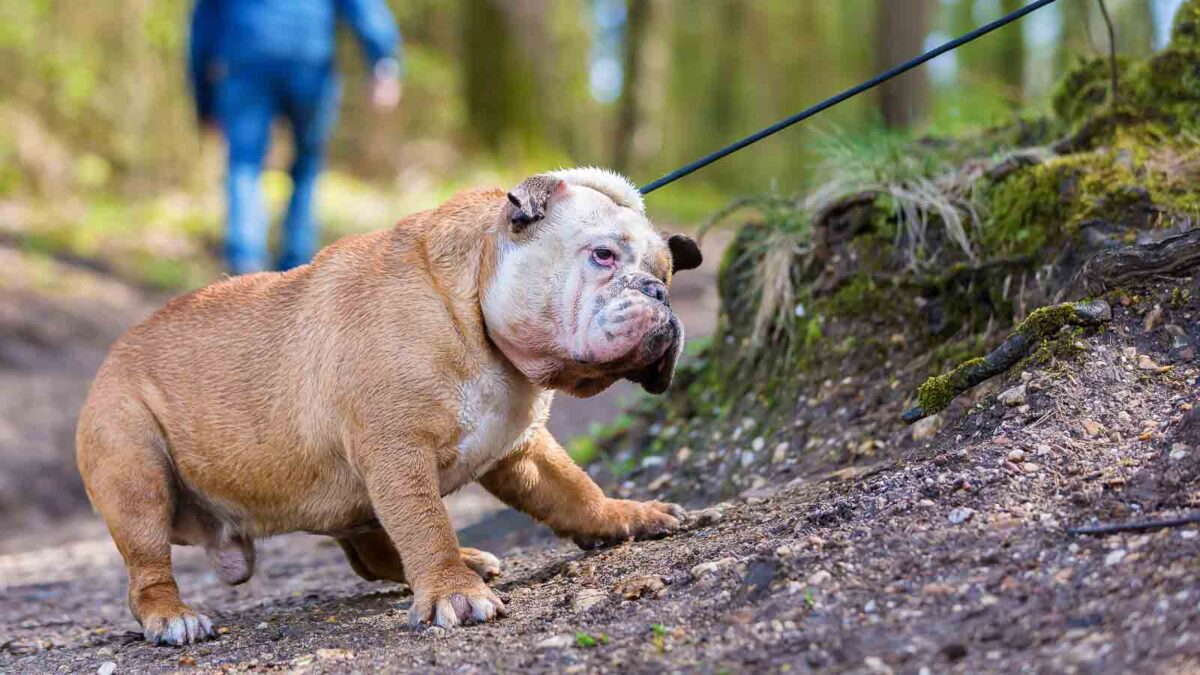

Walking your dog shouldn’t feel like you’re water skiing behind a boat, but for some of us, leash pulling turns every stroll into a workout. If your dog has more enthusiasm than control, you’re probably over it. The good news? There are smart, simple ways to get your dog to stop dragging you down the street. With a few adjustments, those wild walks can become more enjoyable for both of you.
Read it Here: 10 Smart Solutions For Dogs That Won’t Stop Pulling On The Leash
*Select images provided by Depositphotos.