


Walking your dog shouldn’t feel like you’re water skiing behind a boat, but for some of us, leash pulling turns every stroll into a workout. If your dog has more enthusiasm than control, you’re probably over it. The good news? There are smart, simple ways to get your dog to stop dragging you down the street. With a few adjustments, those wild walks can become more enjoyable for both of you.
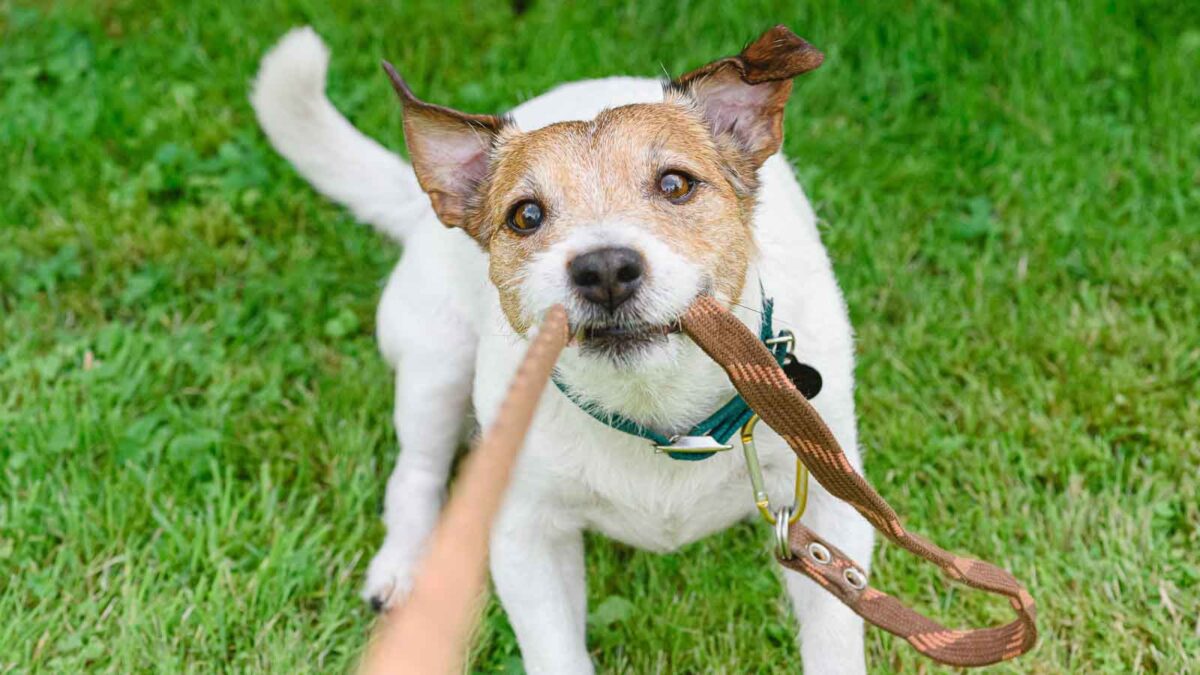

Use a No-Pull Harness


A no-pull harness redirects the pulling force across the dog’s chest instead of their neck, reducing strain and giving you more control. It’s a great alternative to collars that can choke or harm a dog’s throat when they pull. This harness also helps guide your dog to walk beside you.
Stop and Stand Still


Whenever your dog pulls on the leash, stop moving immediately. This action teaches them that pulling leads to no progress. Over time, they’ll understand that staying close and walking calmly gets them where they want to go. This method requires patience but works effectively with consistency.
Change Directions Frequently


To keep your dog’s focus on you rather than charging ahead, change direction every few steps. This technique confuses dogs in a good way, making them pay attention to where you’re going rather than their own agenda. It’s also a good mental workout for dogs, keeping their minds engaged.
Use Positive Reinforcement


Carry small, high-value treats and reward your dog every time they walk without pulling. Positive reinforcement strengthens the association between calm walking and good things happening. For food-motivated dogs, this method can work quickly, and eventually, treats can be phased out for verbal praise.
Try Shorter, Frequent Walks
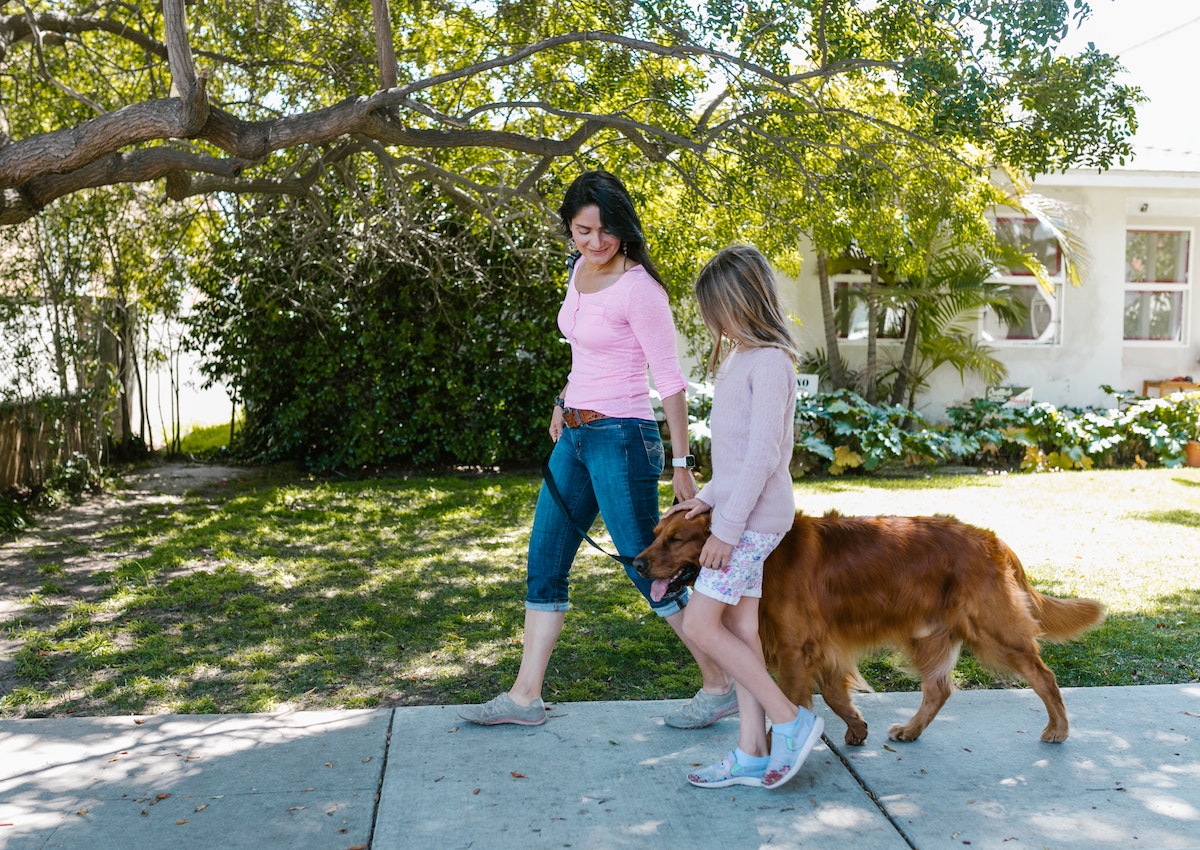
If your dog is overly excited, short but frequent walks can burn off excess energy without overwhelming them. Long walks might overstimulate a dog that’s prone to pulling, but a series of shorter outings can help them learn to stay calm on the leash, reducing their pulling tendencies.
Train with a Clicker


Clicker training is an effective tool for leash training. Each time your dog walks calmly by your side, click the device and give them a treat. This precise sound helps them understand exactly which behavior is being rewarded, speeding up their understanding of what’s expected on walks.
Practice Leash Training Indoors


Indoor leash training provides a controlled environment without the distractions of outdoor stimuli like squirrels or other dogs. Start with short indoor sessions where you practice walking calmly on the leash. Once mastered, gradually introduce them to more distracting environments.
Use a Head Halter

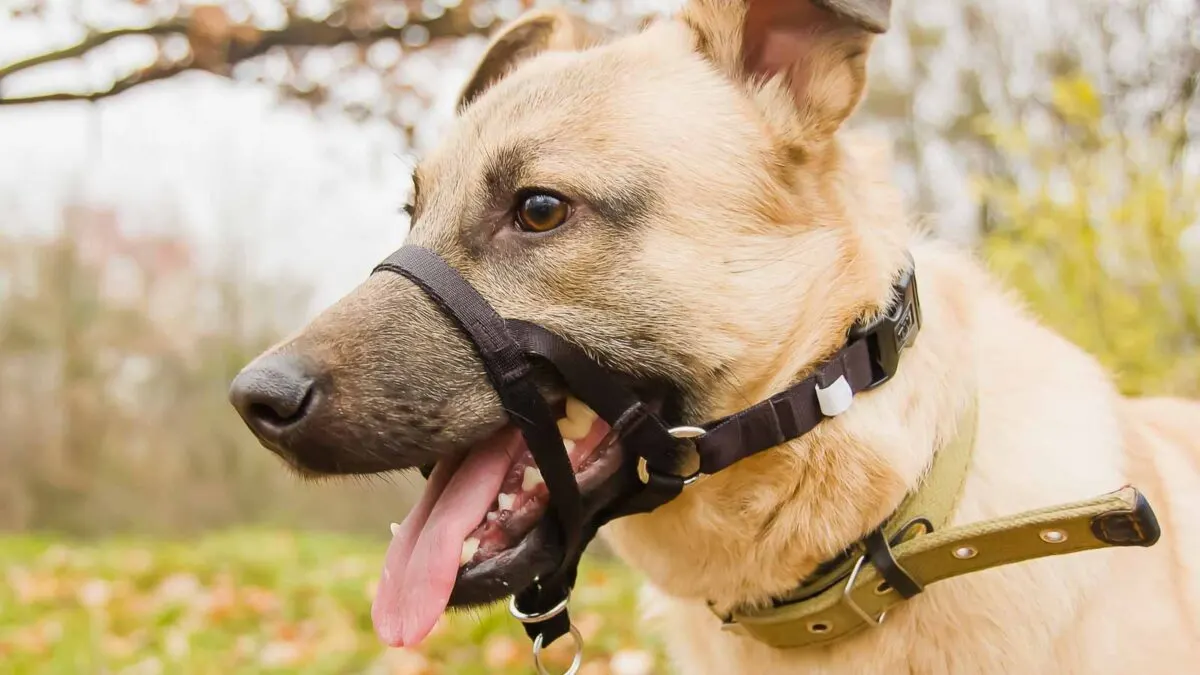
Head halters work by gently guiding your dog’s head and giving you more control over their movements. When used properly, they prevent pulling without causing harm. These are especially effective for strong or large dogs that can overpower traditional collars or harnesses.
Avoid Retractable Leashes


Retractable leashes encourage dogs to pull because the further they go, the more freedom they get. Switching to a standard, non-retractable leash teaches your dog that pulling isn’t rewarded. It’s also safer, as retractable leashes can snap or cause injuries if a dog lunges suddenly.
Increase Mental Stimulation


Dogs often pull out of excitement or boredom. Provide more mental stimulation throughout the day with puzzle toys or obedience training sessions. When a dog’s mind is engaged, they’re less likely to be overly excited or restless on walks, making leash training much easier.
10 Top Tips For Training Your Dog To Walk Off-Leash


Training your dog to walk off-leash can be incredibly rewarding, but it takes some patience and effort. The key is to ensure your dog listens to you even when distractions are high. From basic obedience to practicing recall, there are several steps to make off-leash walking safe and enjoyable. Here’s how you and your pup can master the skill.
Read it Here: 10 Top Tips For Training Your Dog To Walk Off-Leash
15 Dogs That Practically Train Themselves
Training a dog can be a challenge, but some breeds make it a whole lot easier. These dogs are smart and eager to please, making them quick learners. Whether you’re a first-time dog owner or just want a pup that’s easy to work with, these breeds will make you feel like a training pro. They range from playful companions to diligent workers, but each is an absolute dream to train and a well-trained pup makes life so much easier.
Read it Here: 15 Dogs That Practically Train Themselves