

Some dogs are eager to follow directions and look to their owners for constant guidance. Others hear the command, understand exactly what you’re asking and then calmly decide they’d rather do something else. Independence runs deep in certain breeds, especially those that were developed to hunt, guard or work without constant human instruction. For these dogs, thinking for themselves was part of the job description, and that mindset now makes owners’ lives interesting to say the least.


Afghan Hound


Afghan Hounds carry themselves with an unmistakable air of independence. Historically bred to hunt in rugged terrain where they needed to rely on their own judgment, they developed a strong instinct to think and act without waiting for direction. That trait hasn’t disappeared just because they’re now more likely to be lounging in a living room than chasing game across mountains.
They’re intelligent dogs that understand training, but motivation is a different story. If an Afghan Hound doesn’t see a reason to follow a command, they may simply choose not to engage. Owners often describe them as selective listeners who cooperate when the situation suits them, rather than out of automatic obedience.
Basenji


Basenjis were developed as hunting dogs that worked alongside people while still making many decisions on their own. That independence shows up clearly in their personality today. They’re alert, curious and extremely capable of figuring things out, but they’re not naturally inclined to follow directions simply because they’re given.
Training a Basenji often requires creativity and persistence. They respond best when they feel engaged or challenged, rather than when they’re expected to repeat commands out of routine. Their quiet nature and clever problem solving can make them fascinating companions, though they often prefer operating on their own terms.
Chow Chow


Chow Chows have a long history as guard dogs and working companions, which shaped their confident and self-directed temperament. They tend to form strong bonds with their families but maintain a reserved attitude toward commands and training. Rather than rushing to respond, they often pause, observe and decide how they want to react.
This breed tends to value calm consistency over constant direction. Owners who understand their independent nature usually find that Chows respond best to steady routines and respectful training. Trying to force compliance often leads to frustration, while patience and clear expectations tend to produce better results.
Bulldog
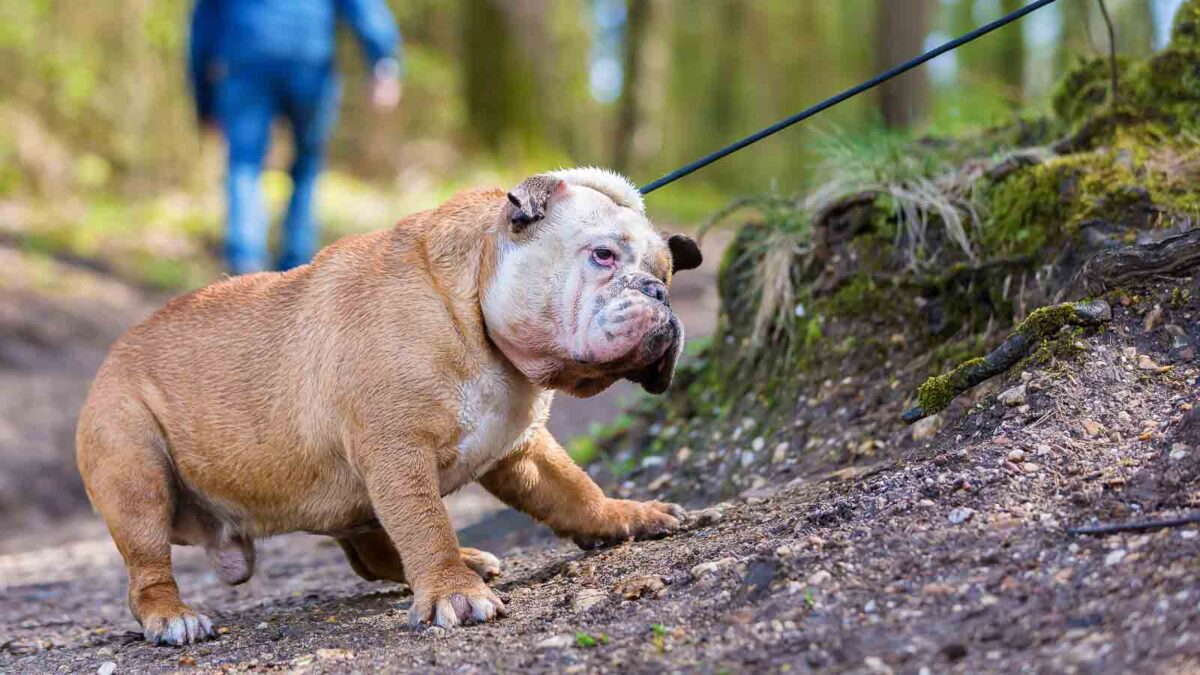

Bulldogs have a reputation for stubbornness that is partly rooted in their relaxed approach to life. They’re generally affectionate and easygoing, but they’re not particularly motivated to rush through training drills or respond instantly to commands. If something doesn’t interest them, they may simply remain where they are.
Their independence often comes down to motivation rather than lack of understanding. Bulldogs respond well when rewards are involved, especially food or comfortable resting spots. Without that incentive, they may take their time deciding whether the effort is worthwhile.
Borzoi


Borzoi were bred as sight hounds that chased game across open terrain, which required them to act quickly and independently. During a hunt, there was little time to wait for instructions, so these dogs developed the ability to make decisions on their own. That trait remains a defining part of their personality.
They’re generally calm and observant dogs that don’t feel the need to respond immediately to every command. Owners often describe them as thoughtful rather than disobedient, but that thoughtful pause can look a lot like ignoring instructions when they’re focused on something else.
Dachshund


Dachshunds may be small, but their personality is shaped by their history as fearless hunters. Originally bred to track and confront badgers underground, they needed confidence and persistence to do their job. Those traits translate into a dog that believes strongly in its own decisions.
When a Dachshund focuses on a scent or a task, redirecting their attention can be difficult. They’re capable of learning commands, but their determination often leads them to continue whatever they started. Owners who appreciate their bold personality tend to have the most success working with their independent streak.
Scottish Terrier


Scottish Terriers are known for their strong sense of self and confident demeanor. Developed as hunters that worked independently, they’re accustomed to relying on their instincts rather than constant human direction. This can make them appear stubborn, especially during training.
They respond best to clear leadership combined with respect for their personality. Scotties are intelligent dogs that understand expectations, but they prefer working with someone they trust rather than simply following orders. Their independence is often part of what makes them so memorable as companions.
Great Pyrenees


The Great Pyrenees was developed to guard livestock in remote mountain regions, often working alone for long stretches of time. In that role, the dog had to evaluate threats and make decisions without waiting for a shepherd’s instruction. That responsibility created a breed with a very strong sense of independence.
Today, those instincts can make them seem slow to respond to commands. In reality, they’re often assessing their surroundings before reacting. Their natural focus is on protection and awareness, which means obedience training works best when it respects their instinct to think first.
Siberian Husky
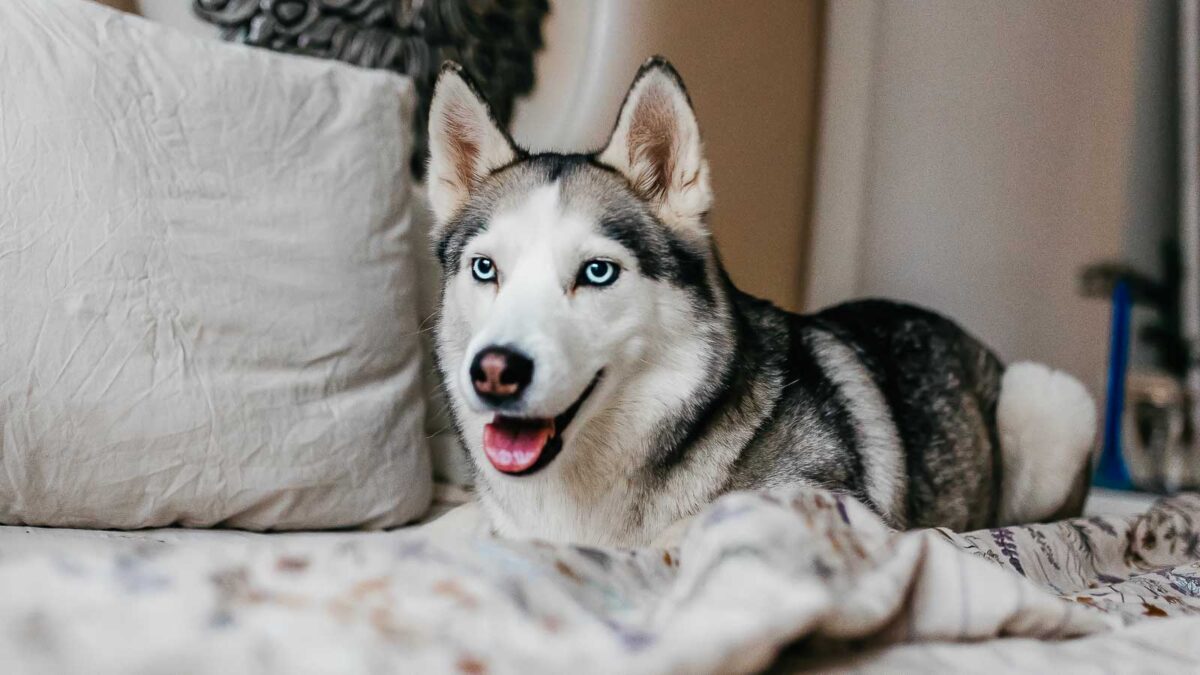

Siberian Huskies are famous for their energy, intelligence and strong will. As sled dogs, they were bred to work in teams while still maintaining the ability to make quick decisions on difficult terrain. That combination created a breed that is capable and cooperative but not naturally submissive.
Huskies often approach commands as suggestions rather than instructions. They’re playful and social dogs, yet they enjoy testing boundaries and exploring their environment. Training can be very successful, but it requires consistency and an understanding that their independent mindset is part of their design.
Shiba Inu

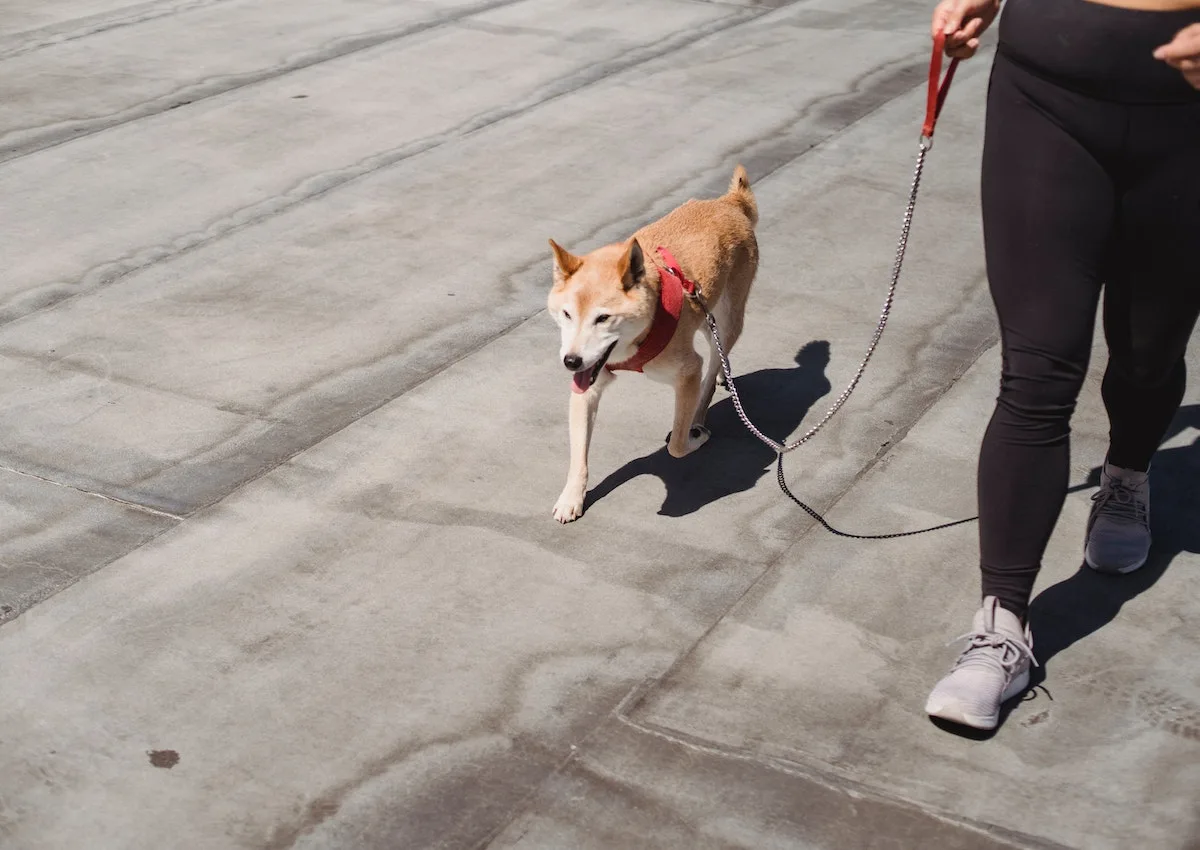
Shiba Inus are known for their confident and self-reliant nature. Originally developed as hunting dogs in Japan, they were expected to track and flush game in challenging landscapes. This background created a dog that is alert, intelligent and comfortable operating without constant guidance.
They tend to approach commands with a calm evaluation rather than immediate compliance. Owners often describe them as thoughtful dogs that choose when to participate. While that independence can make training slower, it’s also part of the breed’s distinctive character.
12 Aloof Dog Breeds That Couldn’t Care Less About You


Some dogs just aren’t interested in being your shadow. These aloof pups have an air of independence and act like they’re too cool for school. Forget constant cuddles; these breeds prefer their own company and might even give you the cold shoulder. But that’s part of their charm! If you’re curious about which dogs have this stand-offish streak, keep reading.
Read it Here: 12 Aloof Dog Breeds That Couldn’t Care Less About You
12 Ways To Deal With A Stubborn Dog


Dealing with a stubborn dog can feel like negotiating with a furry toddler who’s mastered the art of selective hearing. If your dog thinks “sit” means “run in circles” and “stay” means “chase the cat,” you’re not alone. Stubborn dogs can be a real challenge, but with the right tricks up your sleeve, you can turn those training sessions into a fun and rewarding experience. Here are some tips to help you outsmart your headstrong hound and bring a little more harmony to your home.
Read it Here: 12 Ways To Deal With A Stubborn Dog
*Select images provided by Depositphotos.