

Keeping your dog safe isn’t always as obvious as it seems. Sometimes, the little things you’re doing could be putting your pup in more danger than you’d think. A few of your everyday habits could probably use a quick fix. Let’s go over some of the common safety mishaps that might be happening right under your nose, and how to avoid them without overthinking it.


Properly Securing in the Car


Letting your dog roam around the car is not just a distraction, it’s incredibly unsafe. In case of an accident, an unrestrained dog can be seriously injured or cause harm to others. Use a seatbelt harness or a sturdy crate to keep them secure.
Skipping Heartworm Prevention


Heartworms are transmitted by mosquitoes, and just one bite can lead to a life-threatening condition. Many owners skip heartworm prevention, thinking their dog isn’t at risk, but it can happen anywhere. Monthly medication is an easy safeguard.
Not Using ID Tags


Microchips are great, but they require someone to take your dog to a shelter or vet to scan it. An ID tag with your phone number offers an immediate solution. It’s one of the simplest ways to ensure a lost dog gets home quickly—yet so often ignored.
Using Retractable Leashes


Retractable leashes might give your dog more freedom, but they also increase the chance of them running into danger. Dogs can dart into traffic, get tangled, or even break the leash. A sturdy, standard leash keeps your dog safer and closer to you.
Ignoring Temperature Extremes


Hot sidewalks can burn paws in summer, and freezing temperatures can cause frostbite in winter. Many owners don’t consider these extremes, but dogs need protection, too. Booties, sweaters, and keeping walks short in harsh weather can prevent injury.
Leaving Food Out Unattended


Some of your favorite snacks—like chocolate, grapes, and onions—are toxic to dogs. Leaving food out unattended can turn dangerous in seconds. Dogs are sneaky, and one swipe at the table can end in an emergency vet visit. Keep harmful foods out of reach.
Skipping Regular Nail Trims


Long nails can cause pain when walking, lead to joint issues, or even break, causing bleeding and infection. Many owners avoid nail trims because their dogs hate them, but keeping nails short is essential for your dog’s comfort and long-term health.
Not Supervising Around Water
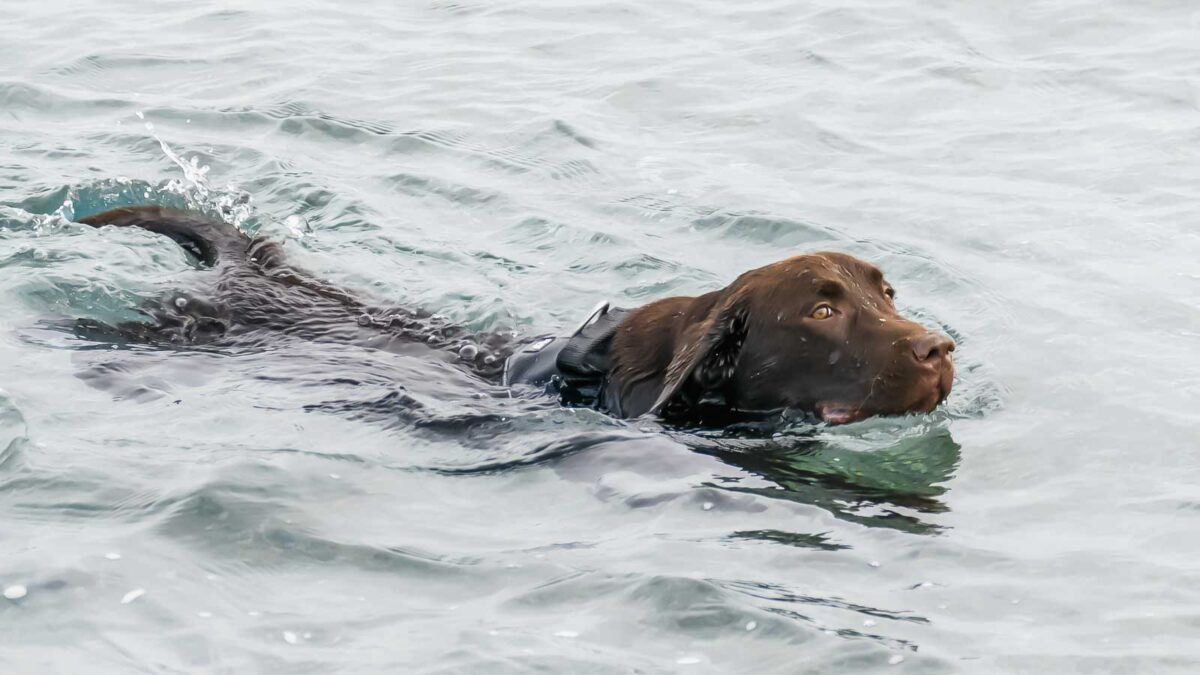

Even if your dog loves water, accidents happen. Currents, exhaustion, or pool traps can turn a fun swim into a dangerous situation. Always supervise your dog around water, no matter how confident they seem, to avoid the risk of drowning or injury.
Forgetting About Toxic Plants


Common plants like lilies, sago palms, and aloe can be poisonous to dogs if ingested. Many owners don’t realize their garden or houseplants are a hazard. Research any plant before bringing it home to ensure it’s dog-safe and avoid any toxic incidents.
Skipping Pet Insurance


Veterinary emergencies can cost thousands of dollars, and pet insurance helps soften the blow. Many owners skip it, thinking they won’t need it—until they do. Having coverage ensures you can afford the best care when the unexpected happens.
10 Essential First Aid Tips Every Dog Owner Should Know


As a dog owner, being prepared for emergencies is as crucial as daily walks and feeding. Whether it’s a minor injury or a more serious condition, knowing first aid can be a lifesaver for your furry friend. From learning how to perform CPR to assembling a first aid kit, these tips will equip you with the essential knowledge to handle common emergencies so you can act swiftly and keep your dog safe.
Read it Here: 10 Essential First Aid Tips Every Dog Owner Should Know
10 Toxic Plants To Dogs That Every Owner Should Know About
Keeping our dogs safe isn’t just about leashes and fences—it’s also about knowing what’s in our gardens and homes. Believe it or not, some pretty plants can be pretty dangerous to our furry buddies. Learn what makes these ten plants toxic and why you need to keep them out of reach from your dog.
Read it Here: 10 Toxic Plants To Dogs That Every Owner Should Know About
*Select images provided by Depositphotos.