


Feeding your dog seems pretty straightforward, right? Just pour the kibble and you’re done. But it turns out, a lot of people make mistakes they don’t even realize. From overfeeding to letting their dog snack on whatever’s lying around, some habits might be doing more harm than good. Don’t worry, we’re not here to shame you—just here to point out a few common feeding slip-ups that are easy to fix.


Free Feeding All Day


Leaving food out all day, also known as free feeding, can lead to overeating, weight gain, and even behavioral issues. Dogs thrive on routine and structure, and free feeding disrupts that balance. Scheduled meal times help regulate digestion and prevent bad habits like guarding food. Keep the kibble off the floor and stick to a set schedule.
Feeding Too Many Table Scraps


It’s tempting to share food with your dog, especially when they’re giving you those “I’m starving” eyes. But table scraps can cause upset stomachs, weight gain, and some foods, like onions or chocolate, are downright dangerous. If you want to spoil your dog, opt for healthy dog-specific treats and leave the table food to humans.
Not Measuring Portions


A little extra kibble here and there adds up quickly. When you eyeball your dog’s portions, you might be overfeeding without realizing it. Obesity in dogs is linked to a host of health problems, from joint pain to diabetes. Always use a measuring cup to ensure your dog is getting the right portion for their size and activity level.
Giving Too Many Treats

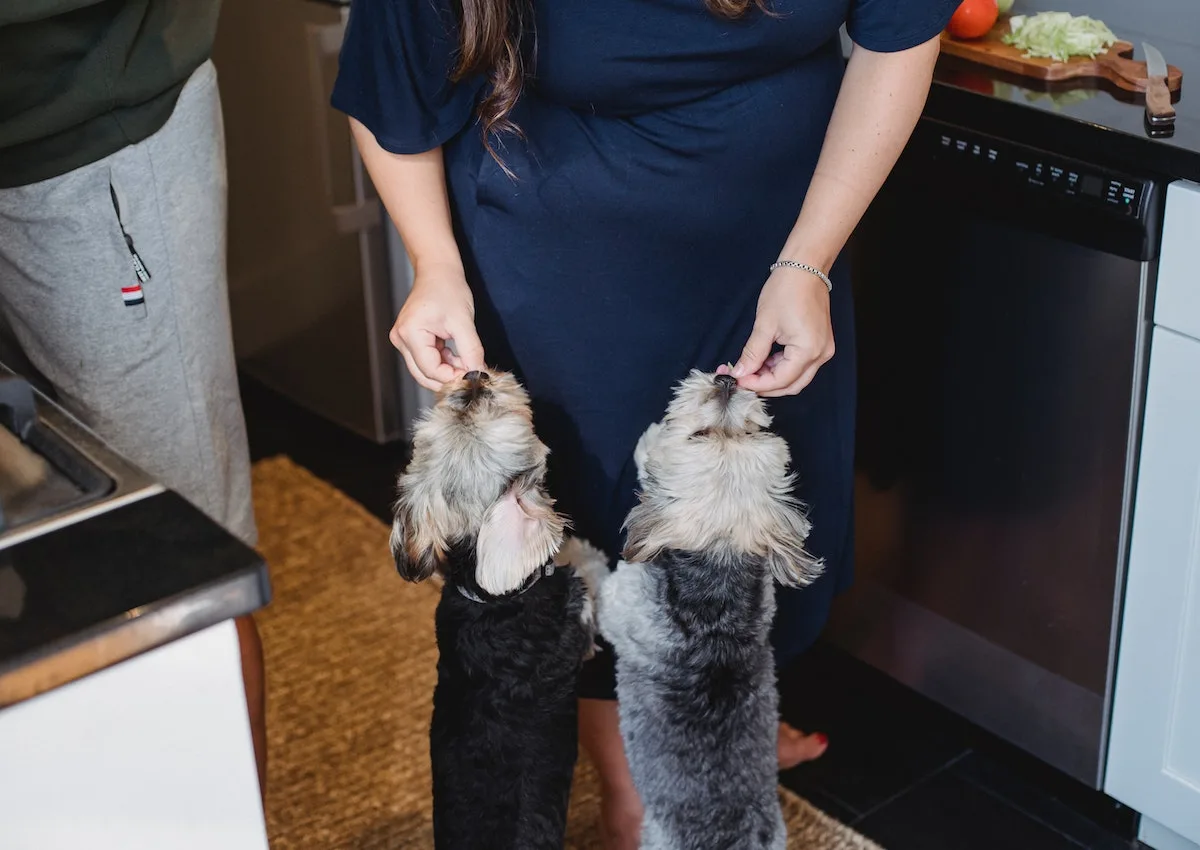
Treats are great for training and rewarding your dog, but too many treats can throw off their diet and cause weight gain. Treats should only make up 10% of their daily calorie intake. Over-rewarding with treats not only affects their waistline but can also cause them to lose interest in regular food. Balance is key—limit the treats and stick to healthier options.
Feeding Bones


It might seem like a natural choice to give your dog a bone, but many bones, especially cooked ones, can splinter and cause serious issues like choking or gastrointestinal blockages. Even raw bones can present risks. Stick to vet-approved dog chews designed for safety, and avoid the temptation to toss them leftover bones from your plate. Chicken feet, however, have a lot of positive effects that may be worthwhile with attentive supervision.
Switching Foods Too Fast


Switching your dog’s food too abruptly can wreak havoc on their digestive system, causing diarrhea, vomiting, or a complete loss of appetite. Dogs need time to adjust to new ingredients, so any change in diet should be done gradually over 7-10 days whether that’s from one dry food to another or dry food to raw food. Start by mixing a small amount of the new food with their current food, slowly increasing the amount as their system adjusts.
Ignoring Ingredient Labels


Many commercial dog foods are filled with fillers like corn, wheat, and soy that don’t provide much nutritional value. Worse, some foods contain artificial colors, flavors, and preservatives that can harm your dog over time. Always read the label and look for high-quality ingredients like real meat, vegetables, and grains. Avoid anything with vague terms like “meat by-products” or “animal fat.”
Feeding from Plastic Bowls


Plastic bowls can crack, scratch, and harbor bacteria, potentially causing skin irritation or infections, especially for dogs with sensitive skin or allergies. Over time, plastic can also leach harmful chemicals into your dog’s food and water. Stainless steel or ceramic bowls are safer, more durable, and easier to clean, making them a better choice for your pup’s health.
Skipping Water Changes


Just like humans, dogs need clean, fresh water daily to stay hydrated and healthy. Letting water sit in a bowl for days can lead to bacteria buildup, which could make your dog sick. Plus, stagnant water isn’t very appealing to drink. Change your dog’s water at least once a day, and make sure the bowl is cleaned regularly to avoid contamination.
Ignoring Food Expiration Dates
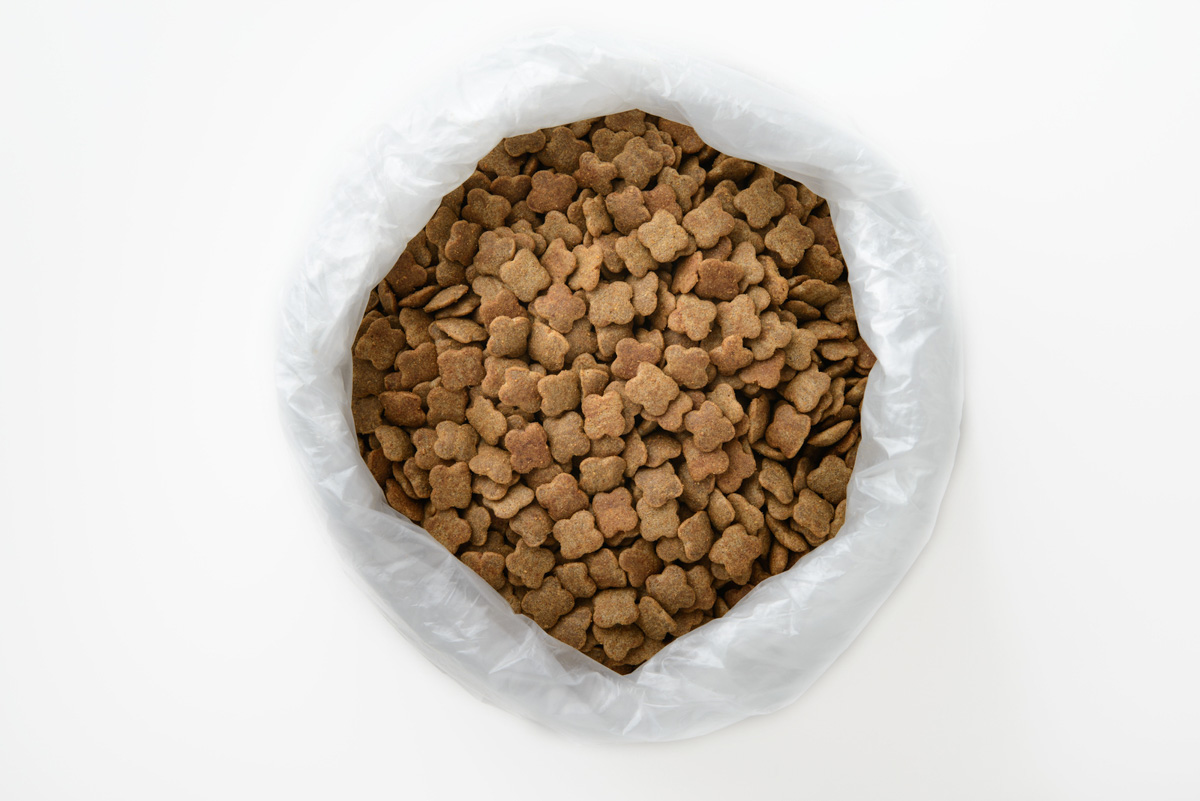

Dog food doesn’t last forever. Kibble can go stale, and canned food can spoil, making it unsafe for your dog to eat. Expired food can lose its nutritional value and harbor bacteria or mold, leading to digestive upset or worse. Always check the expiration date on your dog’s food and store it in a cool, dry place to preserve its freshness. Proper storage is key to ensuring your dog gets safe, healthy meals.
10 Reasons Why Your Dog Is Constantly Begging For Food


If your dog’s turned into a full-time beggar, it’s probably driving you nuts. Those big, pleading eyes can be hard to resist, but constant begging isn’t just about wanting a snack—it’s often a sign of something else going on. Whether they’ve learned that persistence pays off or they’re just bored out of their minds, there are plenty of reasons why your pup might be driving you crazy at mealtime.
Read it Here: 10 Reasons Why Your Dog Is Constantly Begging For Food
10 Tips For Choosing The Best Dog Food


Choosing dog food these days feels like you need a degree in canine nutrition. The options are endless, and it’s almost as complicated as picking out your own groceries. Grain-free, organic, raw – who knew dog food could be so fancy? It’s enough to drive any dog owner nuts. But fear not, we’ve got the lowdown to help you cut through the nonsense. Here are 10 tips to help you choose the best dog food without going crazy.
Read it Here: 10 Tips For Choosing The Best Dog Food
*Select images provided by Depositphotos.