


We all love to spoil our dogs, but sometimes those extra treats and table scraps start to show—on the scale. If your dog’s waistline is expanding but they’re giving you those puppy eyes like you’re starving them, there’s no need to panic. Helping your dog lose weight doesn’t mean they have to feel deprived or miss out on their favorite things. There are plenty of ways to help them shed some pounds while keeping them happy, and yes, still indulging in the occasional snack (just the right ones!).


Portion Control, Not Starvation


Instead of drastically cutting your dog’s food, measure portions according to their ideal weight. Many owners tend to eyeball meals, which can lead to overfeeding. Use a measuring cup to ensure your dog is getting the right amount, so they still feel full without extra calories sneaking in.
Swap Treats for Healthier Options

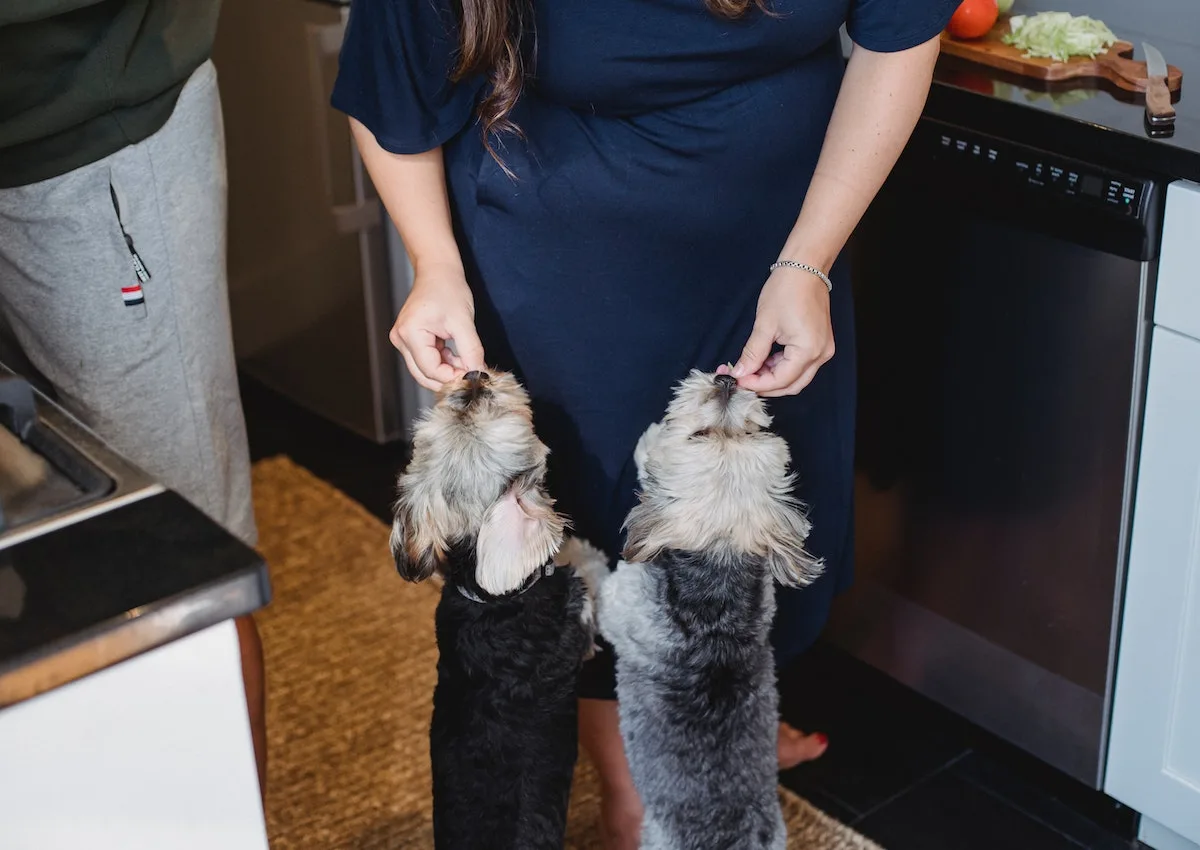
Cut back on high-calorie treats by swapping them with healthier alternatives like baby carrots or apple slices. They’ll still get the satisfaction of a treat, just with fewer calories. Remember to keep portions small—those treats add up fast!
Incorporate Playtime into Exercise


Dogs love to play, and you can trick them into exercising by turning it into a fun game. Whether it’s fetch, tug-of-war, or chasing them around the yard, increasing their daily playtime helps burn calories while they’re having a blast.
Slow Feeder Bowls


Using a slow feeder can make mealtimes last longer and help your dog feel full by eating more slowly. These bowls are designed to make your dog work a little harder for their food, which also adds some mental stimulation to their routine.
Increase Walk Time Gradually
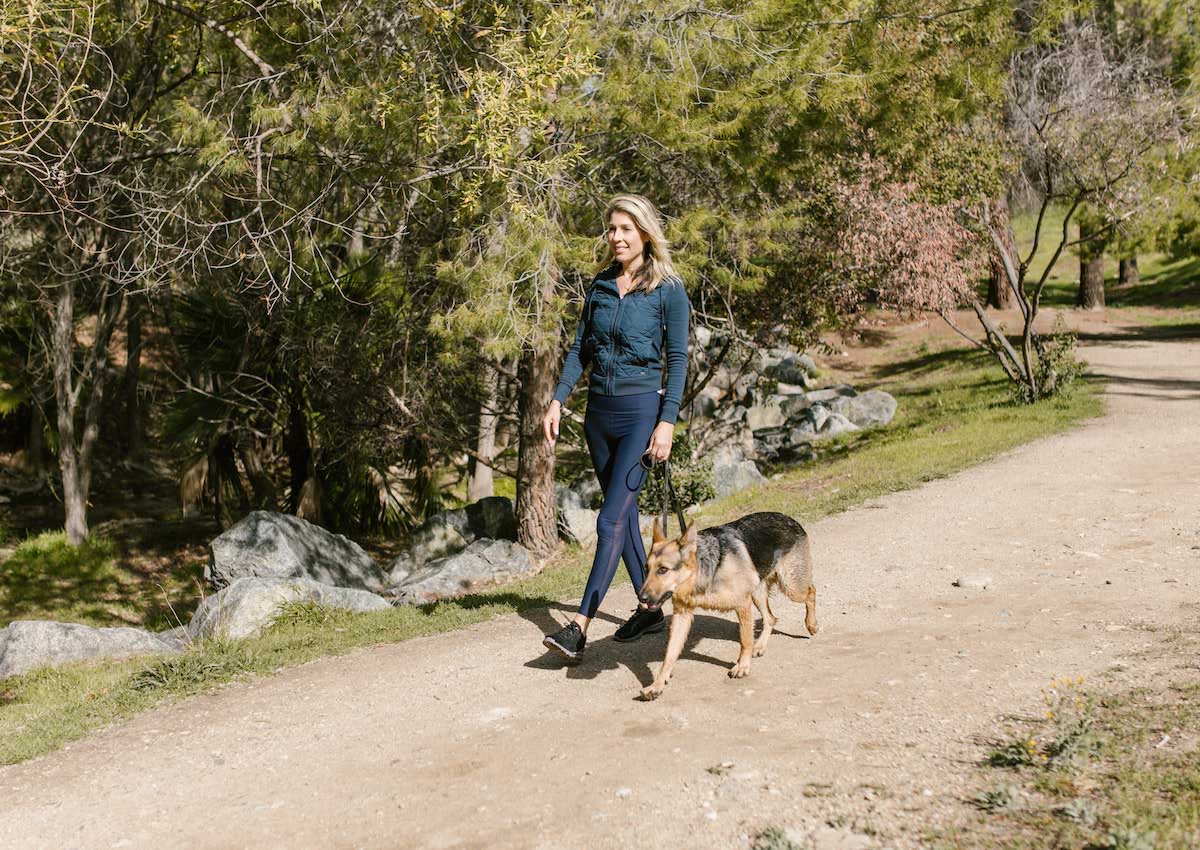

Instead of sudden long walks, which can be overwhelming, gradually increase the time you walk your dog each day. Even 5 extra minutes per walk can help them burn more calories without feeling like they’re overexerting themselves.
Interactive Food Puzzles


Feeding your dog using interactive puzzle toys can mentally engage them while making meals last longer. It’s a simple way to combine mental stimulation with calorie-burning activity, keeping their mind off hunger and focusing on the fun challenge.
Hydrate Before Meals


Offering water before mealtime can help your dog feel fuller, reducing the urge to overeat. Just like with humans, staying hydrated is key to managing hunger and can prevent overeating during meals.
Incorporate Low-Calorie Fillers


Add steamed vegetables like green beans or pumpkin to your dog’s regular food. These low-calorie fillers provide extra volume without adding significant calories, keeping your dog satisfied without overfeeding.
Break Meals into Smaller Portions


Instead of giving your dog all their food in one sitting, break meals into smaller, more frequent portions throughout the day. This method helps keep your dog from feeling too hungry between meals, while still maintaining a reduced-calorie intake.
10 Signs Your Dog’s Food Isn’t Right for Them


Feeding your dog should be as simple as filling their bowl and watching them chow down happily. But sometimes, the food we choose doesn’t quite agree with our furry friends. If your dog is dealing with tummy troubles, itchy skin, or other odd symptoms, their diet might be to blame. Here are a few signs that your dog’s food isn’t right for them and what you can do about it.
Read it Here: 10 Signs Your Dog’s Food Isn’t Right for Them
10 Reasons Why Your Dog Is Constantly Begging For Food


If your dog’s turned into a full-time beggar, it’s probably driving you nuts. Those big, pleading eyes can be hard to resist, but constant begging isn’t just about wanting a snack—it’s often a sign of something else going on. Whether they’ve learned that persistence pays off or they’re just bored out of their minds, there are plenty of reasons why your pup might be driving you crazy at mealtime.
Read it Here: 10 Reasons Why Your Dog Is Constantly Begging For Food