


We all love our dogs, but when they start treating the couch like their personal chew toy, it’s a little harder to stay calm. Chewing is totally normal for dogs, but it doesn’t mean your furniture has to pay the price. Whether it’s boredom, anxiety, or teething, there’s always a reason behind that gnawed-up chair leg. Here are a few tricks to keep your dog’s teeth busy and far away from your stuff.


Provide Chew Toys


Redirect your dog’s chewing habit by offering durable, high-quality chew toys. Choose toys that are safe, engaging, and appropriate for their size. By satisfying their natural chewing instinct with something appropriate, they’ll be less likely to gnaw on your furniture.
Use Deterrent Sprays


Apply pet-safe, bitter-tasting sprays on furniture to make it unappealing for chewing. The bitter flavor won’t harm them, but it’s enough to create a negative association with your couch legs. Be sure to reapply regularly since the scent fades over time.
Increase Exercise & Play


Sometimes dogs chew out of boredom or pent-up energy. Upping their daily exercise with longer walks, runs, or interactive play sessions can burn off that extra energy, making them less likely to chew on furniture to entertain themselves.
Crate Train When Unsupervised


Crate training can be helpful when you’re not around to monitor your dog. It gives them a safe space and prevents access to furniture. Make sure the crate is comfortable and associate it with positive experiences so they see it as their cozy den rather than a punishment.
Use Positive Reinforcement


Reinforce good behavior by rewarding your dog when they chew on appropriate items like toys. Treats, praise, or a quick play session can go a long way in teaching your dog that chewing their toy is far more rewarding than nibbling on your furniture.
Address Separation Anxiety


If your dog chews furniture when you leave, it could be a sign of separation anxiety. Try desensitizing them to your comings and goings by gradually increasing the time you’re away, or use calming products like pheromone diffusers. For severe cases, consult a trainer.
Keep Furniture Out of Reach


Rearranging or dog-proofing your space can help limit your dog’s access to tempting furniture. Use baby gates, barriers, or simply remove furniture from areas where your dog is left unsupervised. Limiting their access can break the habit over time.
8 Solutions for Dogs Who Destroy Their Toys


If you’ve ever handed your dog a new toy, only to watch it get obliterated within minutes, you’re definitely not the first. It feels like no matter how “tough” the label claims to be, your pup finds a way to test the limits. Instead of constantly buying replacements, though, there are better ways to keep your dog entertained without sacrificing your sanity (or wallet).
Read it Here: 8 Solutions for Dogs Who Destroy Their Toys
9 Smart Strategies To Deal With A Dog That Hates Bath Time

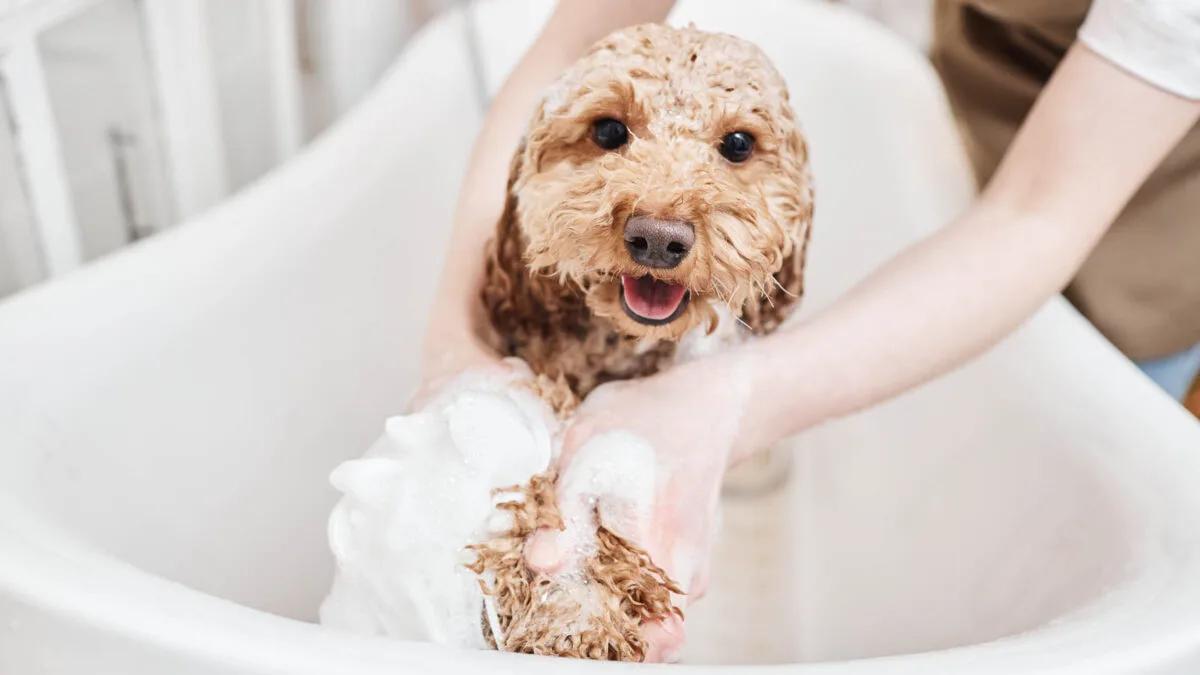
Giving a dog a bath can feel like trying to wrestle a greased pig. If your dog’s more into rolling in dirt than getting clean, bath time is probably a battle. But before you end up soaked and your dog’s still dirty, there are a few tricks to make things easier. With the right strategies, you might even get through the whole process without getting drenched.
Read it Here: 9 Smart Strategies To Deal With A Dog That Hates Bath Time
*Select images provided by Depositphotos.