
Some dogs walk into a park like they own the place, and others panic the second another dog glances their way. If yours falls into the nervous category, you’ve probably done the awkward turn-and-walk-the-other-direction move more than once. It’s frustrating for you and overwhelming for them, but there are plenty of ways to make these moments easier. With a little patience and some simple habits, your dog can start feeling more confident instead of acting like every pup is out to get them. These tips help take the pressure off so both of you can get through social situations without the usual stress.


Give your dog breathing room before anything else


Throwing your nervous dog straight into the chaos of other dogs never works. Starting with space lets them watch everything from a safe spot where nothing feels unpredictable. They can take in the sights, sounds and smells without having another dog right up in their face. As they relax, you can slowly inch closer over days or weeks, not minutes. Nervous dogs build confidence by seeing that nothing bad happens when they’re allowed to observe on their own terms.
Use treats like a tiny cheerleading squad


Food is powerful when you’re trying to convince your dog that other dogs aren’t terrifying. Every calm glance and quiet moment earns a treat so your dog starts to link other dogs with good things instead of panic mode. Timing matters. Reward right when they make a good choice so they understand what they did right. Little by little, those small wins stack up into real progress.
Show them what calm looks like


Dogs read our emotions better than most people do. If you tense up every time another dog gets close, your dog picks up on it instantly. Staying relaxed, breathing normally and keeping your body loose tells your dog they’re not walking into danger. When you act like you’ve got things under control, your dog starts to trust the situation a lot more.
Keep early social time small and predictable


Introverting dogs into a dog park isn’t the move. One calm dog in a quiet space gives your nervous pup the best chance to practice socializing without getting overwhelmed. Let them sniff, take breaks and approach when they’re ready. They’ll start to see that dog interactions don’t have to be chaotic. Once they’re steady with calmer dogs, you can slowly work toward more distracting environments.
Ease them into the dog world little by little


Desensitization sounds complicated, but it basically means giving your dog controlled chances to be near other dogs without pushing them past their comfort zone. Each moment they stay calm is a moment you should reinforce. Over time the presence of another dog becomes less alarming and more of a normal part of their routine.
Give their brain something else to focus on


A dog who’s mentally busy doesn’t have as much room left for spiraling. You can use simple training cues, sniffing games or a favorite toy to shift their attention away from whatever dog is nearby. Keeping their mind engaged takes the edge off and helps them stay in a place where learning is possible instead of panic taking over.
Learn what their body is trying to tell you


Before a dog erupts into a full meltdown, they usually send a dozen smaller signals that things feel too intense. Lip licking, stiff posture, yawning, looking away or trying to create distance all mean they’re overwhelmed. When you recognize these early signs, you can step in before they feel trapped. That small adjustment protects their confidence and prevents scary moments.
Loosen up the leash so they don’t feel trapped
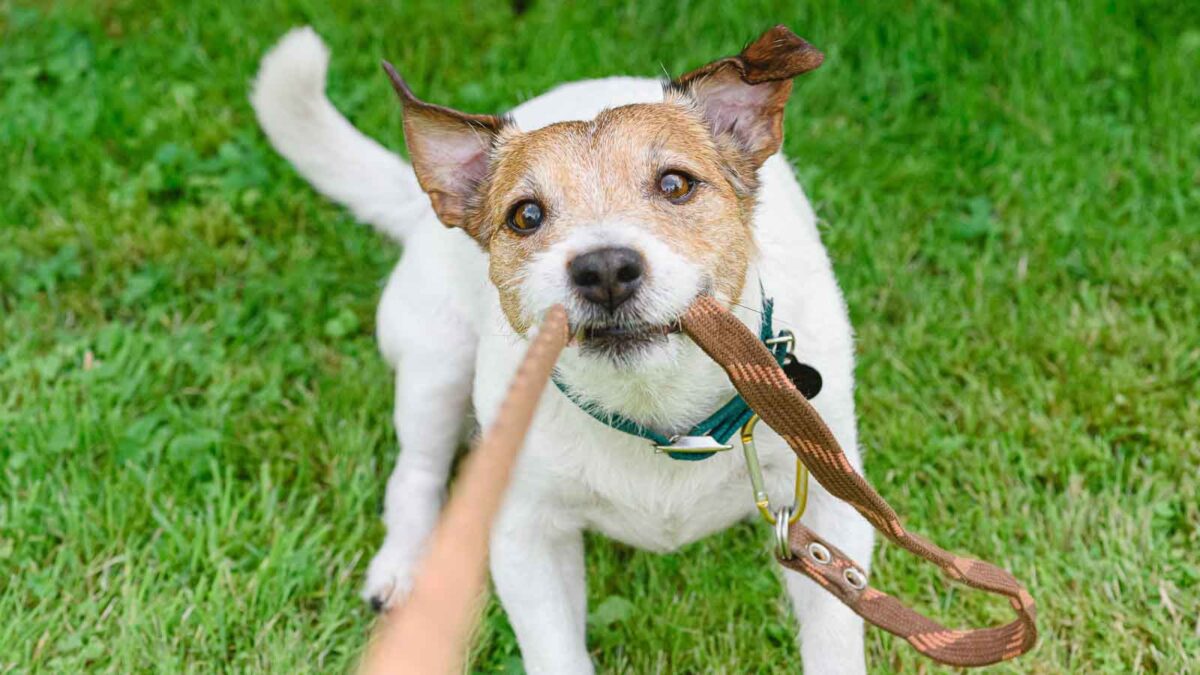

A tight leash tells your dog that tension is everywhere. A relaxed leash tells them the situation is manageable. When the leash has slack, they can move naturally and choose small adjustments that help them feel safer. That freedom makes social moments less threatening and helps them learn at their own pace.
Stack small positive moments they can rely on


A calm sniff with another friendly dog or a short walk side by side is often more meaningful than an entire chaotic play session. These short interactions show your dog that other dogs aren’t always something to brace for. A few positive experiences repeated over time can completely reshape how they react.
Bring in a trainer if things feel stuck


If your dog’s fear feels bigger than what you can manage alone, a qualified trainer can help you break things down into steps that actually work. They’ll watch your dog’s behavior, build a plan that matches their personality and guide you through each stage. That extra support can make a big difference for dogs who need structure and patient practice.
10 Popular Dog Myths That Just Aren’t True


When it comes to man’s best friend, there’s no shortage of old wives’ tales and passed-down wisdom. But have you ever stopped to wonder which of these nuggets are true? We’re tackling some of the most popular dog myths and clearing up the misconceptions.
Read it Here: 10 Popular Dog Myths That Just Aren’t True
9 Ways You’re Unknowingly Making Your Dog Anxious


Many dog owners don’t realize that some everyday habits can make their pets anxious. Inconsistent routines, lack of exercise, and too much alone time are just a few things that can stress your dog out. Understanding these common triggers can help you create a calmer, happier environment for your dog.
Read it Here: 9 Ways You’re Unknowingly Making Your Dog Anxious