

Not all dogs are driven by food. If you’ve ever seen a Malinois lose its mind over a toy, you know some dogs care way more about the game than the snack. But plenty of breeds take food motivation to a whole other level, and those are the ones worth paying attention to. A strong appetite can turn into a problem if you give in too often, but it can also make your life a lot easier when you use that enthusiasm in the right way. With the proper structure, food becomes a training tool instead of a health issue, and these breeds are the perfect examples of how powerful that motivation can be.


Labrador Retriever


Labs act like every snack on earth was created just for them. Their food motivation makes training easier because they’ll happily work for whatever you offer, but it also means you’ve got to stay on top of portions. Labs can pack on weight fast if you let treats get out of hand. Using part of their regular kibble for rewards or offering low calorie options keeps their enthusiasm high without adding extra pounds. Labs also love a puzzle feeder since it lets them hunt for food in a slow, controlled way.
Beagle


Beagles follow their noses straight to anything that smells edible. Their scent driven personalities make them relentless about finding snacks, which is great for training but not so great when they start raiding counters or grabbing crumbs off the floor. Structure helps a ton with this breed. Set feeding times, lock down access to food and use slow feeders to keep them busy. Giving them scent based games channels their instincts into something productive instead of kitchen scavenging.
Dachshund


Dachshunds may be small, but their appetite definitely isn’t. They’re incredibly willing to work for food, which helps with obedience training, but too many treats can put pressure on their long backs. Keeping their weight stable is one of the best things you can do for their health. Small rewards like tiny veggie pieces work well and make them feel like they’re getting something special. Food toys also give them entertainment while slowing down overeager eaters.
Pug


Pugs treat food like their personal calling. They’re motivated, eager and very tuned in to anything that involves snacks. The challenge is that this enthusiasm can turn into begging or overeating, and extra weight is tough on their breathing. Sticking to smaller rewards and breaking meals into more frequent portions helps them feel satisfied. Many Pugs thrive with activities like short puzzle feeders since it gives them something to do while keeping intake under control.
Golden Retriever


Goldens will do almost anything for a treat, which makes them dream students during training sessions. Their food drive can also get them into trouble if you’re not paying attention to calories. Mixing in healthier options like carrot pieces keeps them motivated without overfeeding. Goldens are smart and energetic, so food puzzles and training games help them burn mental and physical energy in a positive way while still tapping into their love of snacks.
Cocker Spaniel


Cocker Spaniels learn quickly as soon as food enters the picture. Their interest in snacks makes reinforcing good behavior easier, but it also means they can gain weight if treats become too frequent. Since this breed is prone to ear issues and needs regular grooming, keeping them at a healthy weight really matters. Low fat rewards and spacing meals throughout the day work well. They also enjoy slow feeders that let them work for their kibble instead of inhaling it.
French Bulldog
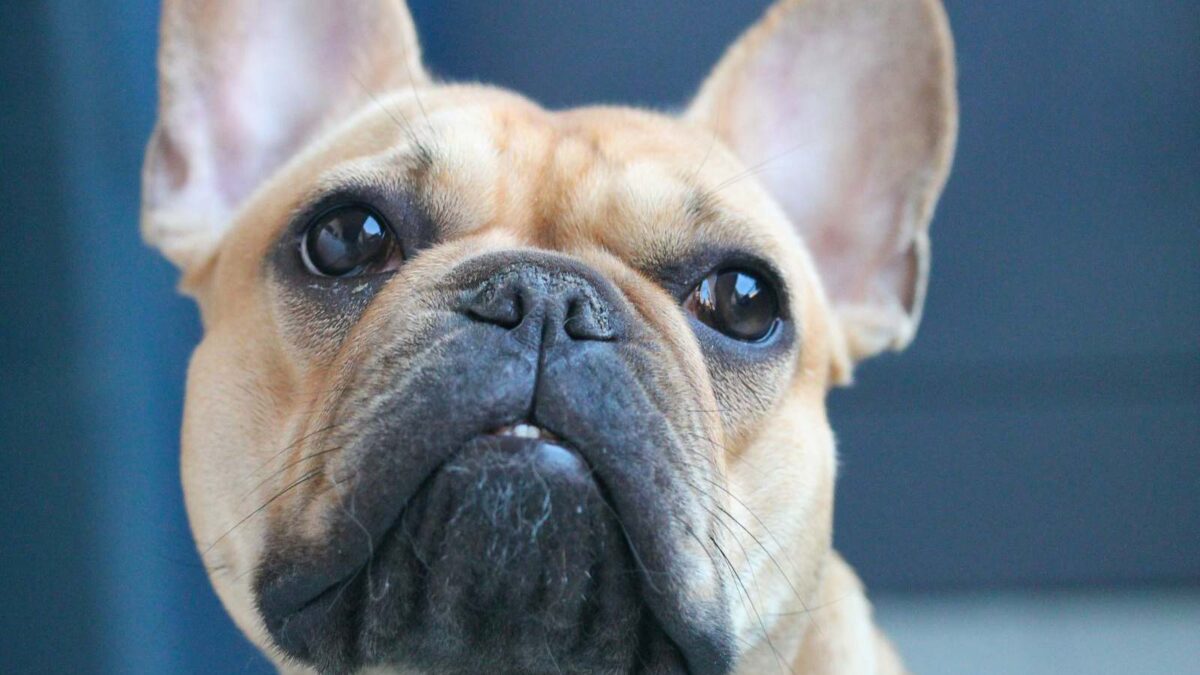

Frenchies may be stubborn, but offer food and suddenly they’re model citizens. Their strong motivation can help you teach new behaviors quickly, though you have to be mindful of how easily they gain weight. Extra pounds make their breathing harder, so high protein, low fat treats are your friend. They also enjoy food toys that reward them slowly, which keeps them entertained without letting them overdo it.
Border Collie


Border Collies are brilliant and busy minded, and while they’re not as food obsessed as some breeds, they respond extremely well to treat based training. They like having a job to do and food keeps them focused. Since they burn plenty of energy, weight gain is usually not the biggest concern. They benefit most from pairing treats with activities that challenge their brains like agility, trick training or interactive games.
Pembroke Welsh Corgi


Corgis act like every meal could be their last, which makes them eager participants in any training session. Their short build means extra weight shows up quickly, so portion control matters. This breed enjoys food dispensing toys because it gives them something to solve while slowing down their eating pace. High fiber treats and smaller, more frequent meals help keep them satisfied without packing on calories.
10 Reasons Why Your Dog Is Constantly Begging For Food


If your dog’s turned into a full-time beggar, it’s probably driving you nuts. Those big, pleading eyes can be hard to resist, but constant begging isn’t just about wanting a snack—it’s often a sign of something else going on. Whether they’ve learned that persistence pays off or they’re just bored out of their minds, there are plenty of reasons why your pup might be driving you crazy at mealtime.
Read it Here: 10 Reasons Why Your Dog Is Constantly Begging For Food
10 Tips For Choosing The Best Dog Food


Choosing dog food these days feels like you need a degree in canine nutrition. The options are endless, and it’s almost as complicated as picking out your own groceries. Grain-free, organic, raw – who knew dog food could be so fancy? It’s enough to drive any dog owner nuts. But fear not, we’ve got the lowdown to help you cut through the nonsense. Here are 10 tips to help you choose the best dog food without going crazy.
Read it Here: 10 Tips For Choosing The Best Dog Food
*Select images provided by Depositphotos.