

Humans have a long history of messing with things that already work just fine, and dogs are no exception. We bred them to look a certain way, act a certain way, and fit neatly into our lives, often without stopping to think about the side effects. Some of those changes gave us great companions and useful working dogs. Others came with health issues, extra care, and challenges that show up years later.


Flat faces and breathing struggles


Breeds with shortened snouts were shaped to look a certain way, but that look often comes with real breathing challenges. Snoring, overheating, and difficulty exercising aren’t quirks. They’re daily realities for many flat faced dogs. Owners usually learn quickly that heat, exertion, and even stress need to be managed more carefully than with other dogs.
Wrinkled skin that needs constant care


Loose, wrinkled skin was bred for protection or intimidation in certain breeds, but those folds can trap moisture and bacteria. Many dogs with heavy wrinkles need regular cleaning to stay comfortable. It’s one of those traits that looks charming from the outside but requires steady upkeep behind the scenes.
Thick coats built for cold climates


Dense fur helped dogs survive harsh weather, and it still serves that purpose well in the right environment. In warmer areas, though, those same coats can lead to overheating and skin problems. Grooming and temperature awareness become part of everyday life for owners of heavily coated breeds.
Extremely small body sizes


Breeding dogs to be as small as possible created pets that are easy to carry and appealing to many people. It also made them more fragile. Tiny dogs often deal with dental issues, bone injuries, and organ problems that require careful handling and regular vet attention.
Very large frames


Oversized dogs were bred for strength, guarding, or hunting, and they still carry that presence today. The trade off is wear and tear on joints, shorter lifespans, and higher risk for serious conditions like bloat. Loving a giant dog often means planning ahead for mobility and health support as they age.
Droopy ears that invite infections


Floppy ears helped trap scent during hunting, but they also trap moisture and reduce airflow. This makes ear infections more common and sometimes chronic. Owners of these breeds often become very familiar with ear cleaning routines and vet visits for recurring issues.
Short legs and long backs
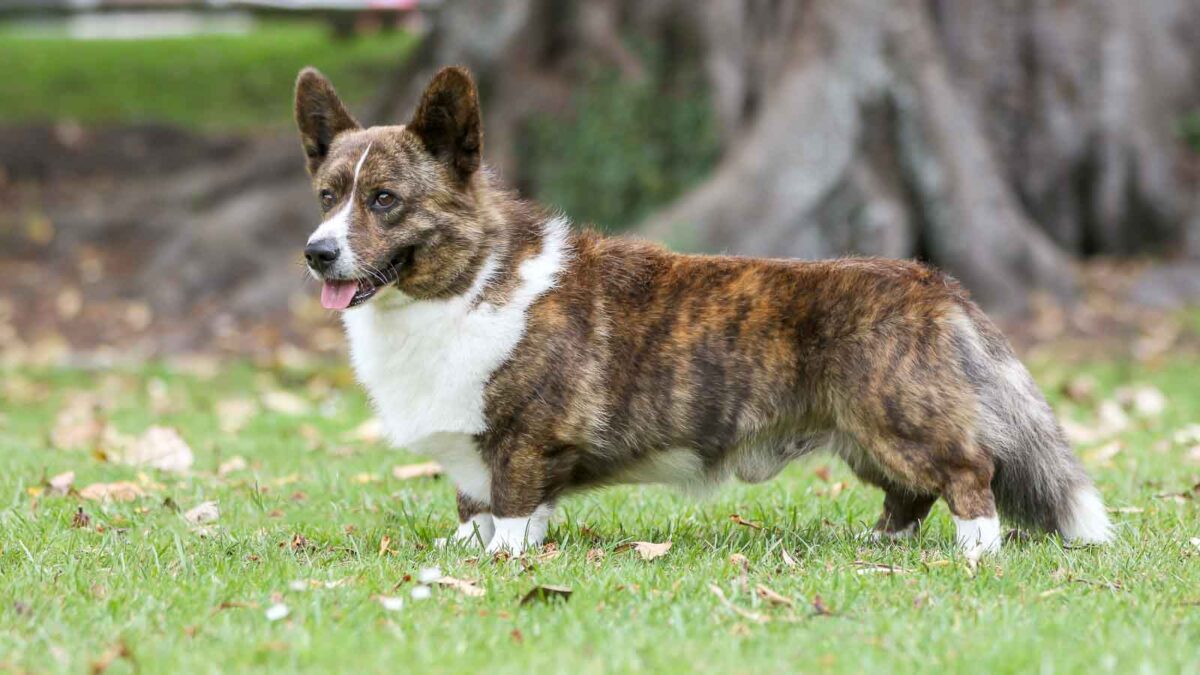

Dwarfism was intentionally bred into certain dogs to help them navigate tight spaces underground. Over time, that body shape has led to back problems, arthritis, and mobility challenges. Owners usually learn to limit jumping and stairs early to protect their dog’s spine.
Coat colors linked to hearing loss


Some striking coat patterns come with genetic risks that aren’t obvious at first glance. White and merle coloring can be associated with deafness in certain breeds. This doesn’t make dogs less capable or loving, but it does change how they’re trained and cared for day to day.
High energy levels that demand structure


Working breeds were shaped to think fast and move constantly. When that drive doesn’t have an outlet, it can turn into frustration or destructive behavior. Owners often discover that mental stimulation matters just as much as physical exercise for these dogs.
Excessive skin folds around the neck and face


Large folds were bred for protection in some breeds, but they now create hygiene challenges. Dirt and moisture collect easily, leading to infections and irritation. Keeping these areas clean becomes part of the regular routine rather than an occasional task.
Unusual tail shapes


Curled or tightly twisted tails were bred largely for appearance, but in some dogs they’re connected to spinal issues. These problems can range from mild discomfort to serious mobility limitations. It’s one of those traits that looks harmless but can carry hidden consequences.
Large, prominent eyes


Big eyes were bred to give dogs a softer, more expressive look. Unfortunately, they’re also more vulnerable to injury and certain eye conditions. Owners often need to watch closely for irritation or damage that might not affect dogs with deeper set eyes.
Highly social personalities


Dogs bred to be friendly and trusting make wonderful companions, but that trait can come with challenges. Some struggle with separation anxiety or have difficulty being alone for long periods. Their need for human connection is a direct result of how closely they were shaped to fit into our lives.
10 Common Misconceptions About Mixed-Breed Dogs


Mixed-breed dogs get a lot of flak, but most of it’s based on myths that just don’t hold up. Whether it’s people thinking they’re unpredictable or assuming they’re healthier than purebreds, there’s a lot of misinformation out there. The truth is, mixed-breeds have just as much going for them—if not more—than their purebred counterparts. Let’s clear up some of the most common misconceptions about these one-of-a-kind pups and give them the credit they deserve.
Read it Here: 10 Common Misconceptions About Mixed-Breed Dogs
10 Reasons Why You Should Think Twice Before Getting A Purebred


Thinking about getting a purebred dog? It’s an exciting decision, but there are some important things to consider first. While many purebred dogs and breeders are wonderful, there are some potential downsides you should be aware of before making your choice. From health issues to high maintenance needs, here are some reasons why you might want to think twice before going the purebred route. Remember, not all purebred dogs or breeders are problematic, but it’s essential to be informed to make the best decision for you and your future furry friend.
Read it Here: 10 Reasons Why You Should Think Twice Before Getting A Purebred