

American dog breeds didn’t just appear out of nowhere. They were shaped by the places people lived, the work that needed doing, and the kind of dogs that could actually handle it. Some were bred to hunt, some to haul, some to guard, and some to fit neatly into changing American homes. Over time, those practical choices turned into recognizable breeds with very specific traits. A lot of what we love about these dogs today traces straight back to how and why they were developed in the first place.


American Pit Bull Terrier


This breed’s story is tightly woven into early American farm life, where strength and reliability mattered more than appearance. Pit Bulls helped with everything from guarding property to handling livestock. Over time, their reputation shifted, but their loyalty and affection never did. In homes that understand them, they’re playful, devoted, and deeply people-oriented dogs with a long American backstory.
Boston Terrier


Boston Terriers came out of late nineteenth century Massachusetts and quickly became a point of regional pride. Their compact size and adaptable nature made them popular in growing cities, while their friendly personalities helped them fit easily into family life. They’re one of the few breeds that truly feel tied to urban America and changing lifestyles of the time.
American Foxhound


Developed by early American settlers, including George Washington, the American Foxhound reflects the country’s long history of hunting and outdoor sport. These dogs were bred for endurance and scenting ability rather than speed alone. Even today, they carry that same drive and independence that made them valuable on long hunts across open land.
Alaskan Malamute


The Malamute traces back thousands of years to Indigenous Arctic communities who relied on them for survival. They hauled heavy loads, worked in harsh conditions, and lived closely alongside people. Their strength and resilience helped shape life in Alaska long before it became a state. That working heritage still shows in their independence and need for purpose.
Chesapeake Bay Retriever
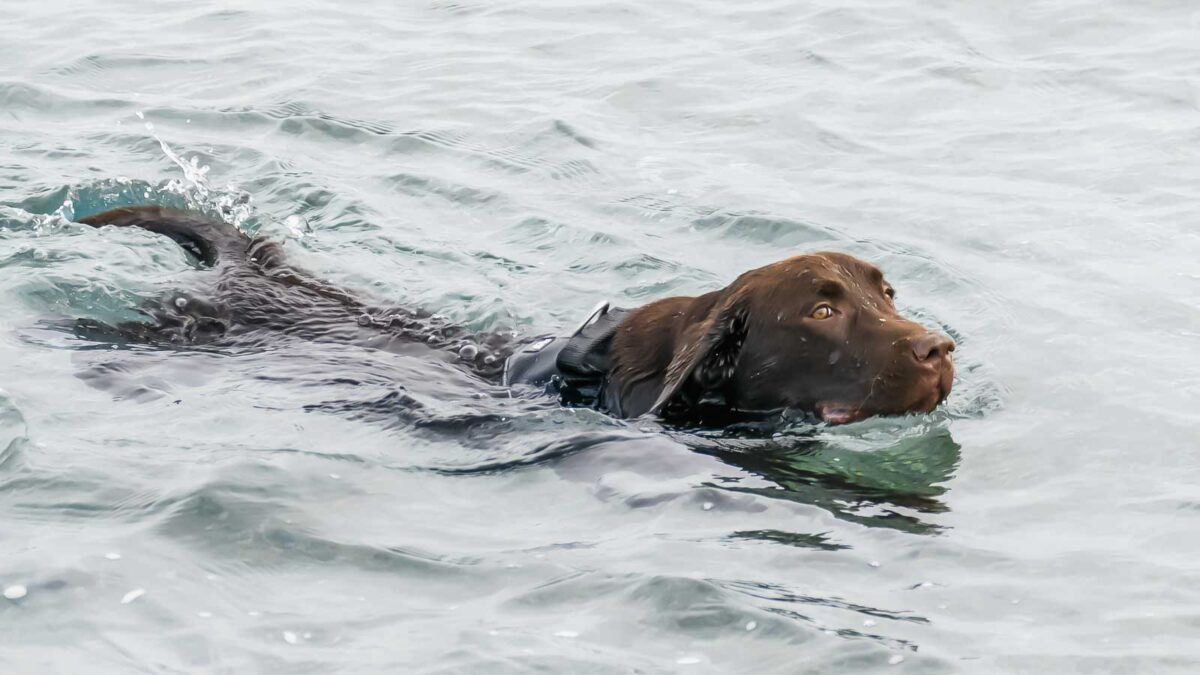

Born along the Chesapeake Bay, this breed was shaped by cold water, rough weather, and demanding hunting conditions. Fishermen and hunters needed a dog that could retrieve tirelessly and handle icy waters. The result was a strong, determined retriever that still carries a reputation for grit and loyalty today.
American Eskimo Dog


Despite the name, this breed developed in the United States and became especially popular as a circus performer in the early twentieth century. Their intelligence and agility made them crowd favorites, often walking tightropes or performing tricks. That showmanship still shows up in their alert expressions and eagerness to engage with people.
Plott Hound


The Plott Hound has deep roots in the Appalachian region and remains the state dog of North Carolina. It was bred to track and hunt large game like boar and bear across rugged terrain. That history gave the breed its toughness and determination, traits that still define them both in the field and at home.
American Staffordshire Terrier


Developed in the United States from working terrier stock, this breed became known for its strength and versatility. Early on, they worked as farm dogs and family protectors. Over time, they earned a reputation for affection and sensitivity toward people. Their history reflects a balance of power and companionship that many owners still value.
Treeing Walker Coonhound


This breed grew out of America’s hunting culture in the South, where night hunts required speed, stamina, and a strong nose. Treeing Walkers were bred to track raccoons and alert hunters with their distinctive voices. At home, that same energy often turns into playful affection and a strong bond with their people.
Toy Fox Terrier


Small in size but full of personality, the Toy Fox Terrier was developed from larger hunting terriers to control vermin around farms and homes. Their intelligence and boldness made them effective workers despite their stature. Today, they still carry that confident, alert nature that reflects their working roots.
American Water Spaniel


This breed came out of the Midwest, where hunters needed a compact dog that could retrieve from land and water without taking up much room in a boat. They were bred to be versatile, adaptable, and hardworking. Their enthusiasm for activity and close bond with their owners reflect that practical American origin.
Alaskan Klee Kai


Developed in the 1970s, this breed represents a modern chapter in American dog breeding. Breeders wanted the look of a sled dog in a smaller, more manageable size. The result was a sharp, alert companion with clear Arctic influence and a strong sense of independence tied to its northern roots.
Bluetick Coonhound


With origins in the Southern United States, Bluetick Coonhounds were bred for scent work and long tracking sessions. Their distinctive coats and deep voices made them recognizable on the trail and at home. They reflect a long tradition of American hunting dogs built for patience, endurance, and strong bonds with their handlers.
15 Hunting Dogs That Are Born To Track And Retrieve


When it comes to hunting, having the right dog by your side can make all the difference. Whether you’re out tracking game or retrieving ducks from a pond, a good hunting dog is more than just a companion—they’re your partner in the field. But with so many breeds to choose from, how do you know which one is the best fit? We’ve rounded up a list of dogs that are born to track and retrieve, each with their own unique skills and personalities.
Read it Here: 15 Hunting Dogs That Are Born To Track And Retrieve
10 Designer Breeds That Prove People Will Pay For Anything


Designer dog breeds are all the rage, but let’s be real—some of these pricey pups are just glorified mutts with fancy names. People are shelling out big bucks for dogs that are essentially two breeds mashed together, all because they’re labeled “designer.” Sure, they’re cute, but are they really worth the hype (and the money)?
Read it Here: 10 Designer Breeds That Prove People Will Pay For Anything
*Select images provided by Depositphotos.